The phrase “knock the cover off the ball” is one of baseball’s most vivid idioms—a rallying cry that evokes the raw power and precision of the game. At first glance, it’s a metaphor for hitting a baseball so hard that the stitching literally detaches from the leather. Yet beneath its literal interpretation lies a deeper fascination, one that speaks to the sport’s enduring allure. Why does this phrase resonate so deeply? What does it reveal about the mechanics of hitting, the psychology of players, and the cultural significance of baseball itself?
The Physics of a Perfect Strike: How a Bat Meets a Ball
To understand the literal act of knocking the cover off the ball, one must first dissect the collision between bat and baseball. A baseball’s cover is stitched from horsehide or cowhide, designed to withstand 100+ mph pitches while maintaining grip for pitchers. Yet when a bat strikes the ball at the optimal “sweet spot”—typically 5 to 7 inches from the barrel’s end—the force can exceed 8,000 pounds per square inch. This is where the magic (and the danger) begins.
The physics are unforgiving. The bat’s barrel, often made of maple or ash, compresses the ball’s leather at impact. If the collision occurs at the precise angle—around 15 degrees—energy transfers efficiently, sending the ball hurtling toward the outfield. But misjudge the timing by even a millisecond, and the ball either dribbles weakly or rockets into the stratosphere. The cover’s stitching, reinforced with waxed thread, is no match for a perfectly timed swing. In rare instances, the force shears the stitches, leaving the ball’s inner core exposed—a fleeting testament to human power.
The Mythic Status of the “Bomb” and the “Rocket”
Baseball lore is rife with tales of titanic blasts that “knocked the cover off.” Babe Ruth’s legendary tape-measure homers, Hank Aaron’s 755 career dingers, and modern sluggers like Aaron Judge and Giancarlo Stanton have all left their mark—sometimes literally. There’s something primal about the image: a sphere of horsehide, once pristine, now unraveled by sheer force. It’s a visual shorthand for dominance, a moment where the batter asserts their will over the game’s smallest but most critical object.
This phenomenon isn’t just about distance; it’s about the sound. The crack of a bat meeting a ball is the sport’s signature symphony, but the rare instances where the cover peels away produce a distinct, muffled *thud*—a sound that lingers in the memory of those who hear it. It’s the acoustic fingerprint of a swing that transcended mere contact. Fans and players alike describe these moments with reverence, as if the ball itself bears the scars of human ambition.
The Psychological Edge: Fear, Respect, and the Batter’s Swagger
There’s an unspoken hierarchy in baseball: the pitcher’s mound is the throne of intimidation, but the batter’s box is the stage of defiance. To “knock the cover off” is to assert psychological superiority. Pitchers fear it. Fielders dread it. Even the umpire’s call seems to echo louder when a ball is sent soaring with such ferocity. The batter, in that instant, becomes a mythic figure—a modern-day David slinging stones at Goliath.
This dynamic is why players like Barry Bonds, with his steroid-era monstrous swings, or Pete Rose, with his relentless hustle, are etched into the game’s collective consciousness. The phrase encapsulates the batter’s mindset: a blend of aggression, focus, and almost reckless confidence. It’s no coincidence that “knocking the cover off” is often associated with clutch performances—late-inning heroics, walk-off wins, or breaking records. The act itself becomes a metaphor for overcoming adversity, a physical manifestation of the player’s refusal to yield.
The Cultural Symbolism: Baseball as a Canvas for Human Aspiration
Beyond the diamond, the phrase transcends sport. It’s a metaphor for life’s grand gestures—those moments where we push beyond limits, where the ordinary gives way to the extraordinary. Baseball, with its pastoral origins and urban evolution, has always been a mirror for American ideals: perseverance, teamwork, and the pursuit of excellence. To “knock the cover off the ball” is to embody these ideals in their purest form.
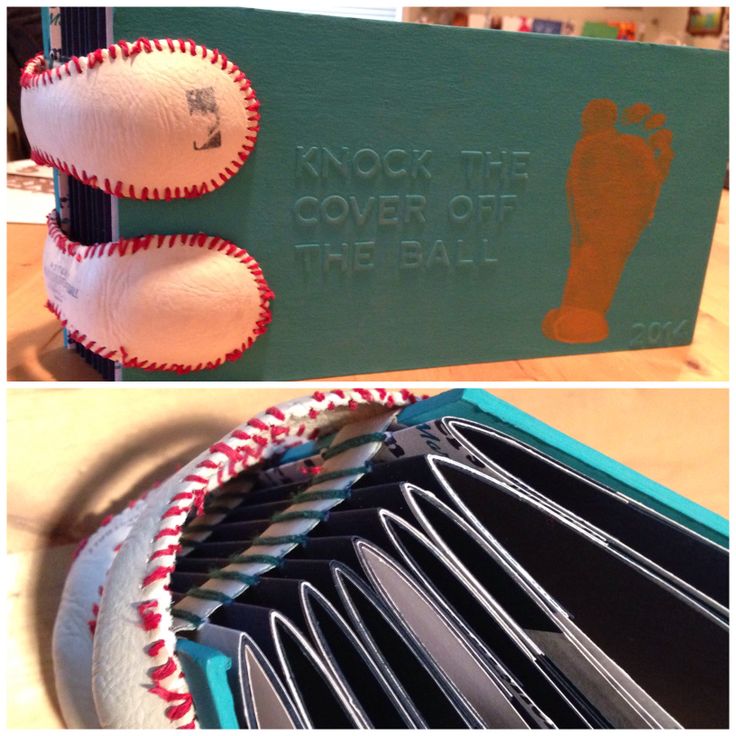
Consider the scrapbook mentioned in the data—a father and son bonding over a shared love of the game. The image of a baseball cover torn asunder becomes a symbol of legacy, of passing down not just a sport, but a way of seeing the world. It’s a reminder that baseball isn’t just about statistics or strategy; it’s about the stories we tell ourselves and the moments that define us.
The Unwritten Rules: When Power Crosses the Line
Of course, not all displays of power are celebrated. Baseball has its unwritten codes, and “knocking the cover off” can sometimes cross into the realm of disrespect. Pitchers retaliate when batters showboat after a home run. Teammates groan when a slugger swings for the fences in a blowout. The line between dominance and arrogance is thin, and the phrase itself carries a duality—it can inspire awe or provoke ire, depending on who wields it.
This tension is part of baseball’s charm. The game is a microcosm of human nature, where individual brilliance must coexist with collective harmony. A batter who “knocks the cover off” is both a hero and a target, a figure of admiration and envy. It’s this complexity that keeps the phrase—and the sport—alive in the cultural imagination.
The Future: Will the Cover Ever Truly Be Knocked Off Again?
In an era of advanced analytics and biomechanical optimization, one might wonder if the phrase has lost some of its mystique. Modern bats are engineered for maximum trampoline effect, and balls are designed to fly farther than ever. Yet, despite these advancements, the literal act of detaching a baseball’s cover remains rare. Why? Because baseball, at its core, is a game of imperfection. The variables—the pitcher’s grip, the batter’s timing, the wind’s whims—are too numerous to control entirely.
Perhaps that’s why the phrase endures. It’s a reminder that even in a sport obsessed with data, there’s still room for the unpredictable, the visceral, the downright spectacular. The next time you hear a broadcaster exclaim, “He knocked the cover off that one!” remember: it’s not just about the ball. It’s about the human spirit, the clash of wills, and the fleeting moments that make baseball the timeless game it is.