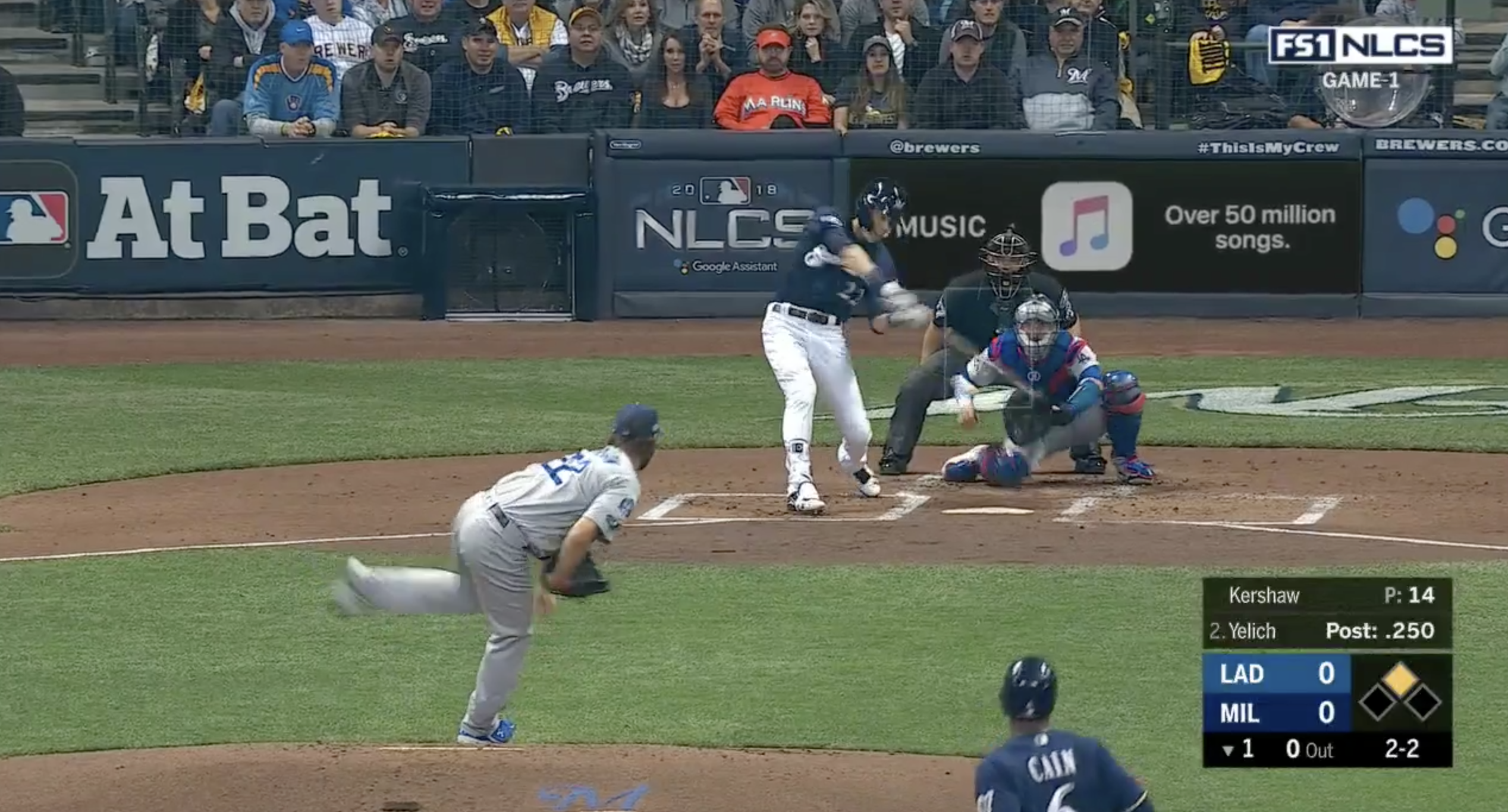
The crack of a broken bat is one of baseball’s most visceral sounds—a sudden, violent interruption in the game’s rhythm, a reminder that even the most meticulously crafted tools of the trade are ultimately fragile. Yet, when a groundout results from such an event, the moment transcends mere spectacle. It becomes a microcosm of the sport itself: a collision of strategy, physics, and sheer unpredictability. For sinkerballers—pitchers whose arsenals hinge on inducing weak contact through downward-moving fastballs—the broken bat groundout is more than a highlight; it’s a signature outcome, a fleeting testament to their craft. This is the story of how a sinking fastball, a batter’s misjudged swing, and the physics of wood collide to produce one of baseball’s most understated yet fascinating plays.
The Sinkerballer’s Arsenal: Why Groundouts Define Their Craft
At the heart of every sinkerballer’s repertoire lies the sinker—a two-seam fastball designed to tail downward as it approaches the plate, often at the expense of velocity. Unlike the high-velocity heat of a power pitcher, the sinkerballer’s success hinges on deception and contact management. Their goal isn’t to overpower hitters but to induce them into making weak contact, ideally on the ground. A broken bat groundout is the pinnacle of this philosophy: a batter, lured into chasing a pitch that dips just outside the zone, swings with enough force to shatter their bat mid-contact, only to watch the ball trickle into the infield for an out.
The sinker’s movement is a study in aerodynamics. As it travels, the seams create turbulence, causing the ball to drop sharply. Hitters, trained to expect a flatter fastball, often misjudge the pitch’s trajectory, swinging over the top or under it entirely. When contact is made, it’s rarely with the sweet spot of the bat. Instead, the ball strikes the bat’s grain at an oblique angle, transferring energy unevenly. The result? A bat that splinters like dry kindling, and a ball that skids along the infield dirt, just out of reach of a diving fielder.
The Broken Bat: A Symphony of Physics and Misfortune
Not all broken bats are created equal. The ones that produce groundouts are particularly fascinating because they reveal the delicate balance between a hitter’s mechanics and the inherent flaws in wooden bats. Modern bats are engineered to maximize trampoline effect—the ability to flex and rebound upon contact—but this design also makes them vulnerable to catastrophic failure when struck improperly. A sinker’s downward movement exacerbates this risk. If a batter’s swing path is too steep or their timing is off, the ball meets the bat’s barrel at an angle that concentrates force along a single grain line, causing the wood to shear apart.
Wood, after all, is a living material, prone to internal stresses and weaknesses that aren’t always visible to the naked eye. A bat might look pristine, but microscopic cracks or uneven drying can turn a routine ground ball into a shattered bat. The sound of the break is telling: a sharp, resonant *crack* suggests a clean fracture, often the result of a perfectly timed swing meeting a perfectly placed pitch. It’s a moment of brutal efficiency, where the laws of physics dictate the outcome before the play even unfolds.
The Psychology of the Chase: Why Hitters Fall for the Sinker
For hitters, the sinker is a psychological trap as much as it is a physical one. The pitch’s late movement is designed to deceive, to make a batter believe they’ve timed the ball perfectly—only for reality to intervene at the last second. The broken bat groundout is the ultimate manifestation of this deception. The hitter, convinced they’ve made solid contact, watches in disbelief as their bat disintegrates and the ball dribbles away. It’s a humbling reminder that even the best hitters are at the mercy of a pitcher’s ability to manipulate perception.
Part of the sinkerballer’s mystique lies in their ability to exploit this psychology. By locating their pitches at the knees or just below, they force hitters into a defensive crouch, their swings dictated by the pitch’s downward trajectory. The broken bat groundout is the reward for this patience—a batter who commits too early, swings too hard, or fails to adjust to the pitch’s late break pays the ultimate price. It’s a lesson in humility, one that sinkerballers like Greg Maddux or Derek Lowe built entire careers around.
The Fielders’ Dilemma: Turning Chaos into Outs
For infielders, a broken bat groundout is a test of reflexes and adaptability. The sudden shatter of wood sends shards flying in unpredictable directions, while the ball itself often takes a ricochet path off the bat’s broken fragments. A ground ball that might normally be a routine 6-4-3 double play turns into a scramble, with the shortstop or second baseman diving to corral the errant hop. The play demands split-second decisions: Do they charge the ball, risking a collision with a sliding runner? Or do they hold their ground, trusting their glove to react to the unpredictable bounce?
The broken bat adds an element of theater to what might otherwise be a mundane play. It’s a reminder that baseball, for all its analytics and strategy, remains a game of chaos. The best infielders thrive in this chaos, their instincts honed by years of practice. A broken bat groundout isn’t just an out—it’s a testament to their ability to turn misfortune into opportunity, to find order in the midst of sudden disorder.
The Cultural Significance: Why We’re Fascinated by the Broken Bat
Beyond the mechanics and strategy, the broken bat groundout resonates because it encapsulates something fundamental about baseball: the tension between human skill and the capriciousness of the game. It’s a moment where preparation meets unpredictability, where the best-laid plans can unravel in an instant. Fans and players alike are drawn to these plays because they reveal the sport’s raw, unfiltered essence. There’s no hiding behind strikeout velocity or defensive shifts here—just a pitcher, a hitter, and a bat, all colliding in a burst of energy and fragility.
The broken bat also serves as a metaphor for the fleeting nature of success in baseball. A hitter’s swing might look perfect in slow motion, but the physics of the game don’t care about aesthetics. A pitcher’s sinker might be the most deceptive in the league, but it only works if the hitter cooperates. The broken bat groundout is a microcosm of this dynamic—a reminder that even the most meticulous preparation can’t account for the whims of wood, gravity, and human error.
The Legacy of the Sinkerballer: Craft Over Power
In an era dominated by 100-mph fastballs and 600-foot home runs, the sinkerballer stands as a relic of a bygone era—a pitcher who wins not with brute force but with precision, deception, and an almost artistic understanding of the game’s subtleties. The broken bat groundout is their signature move, a fleeting yet indelible mark on the sport’s landscape. It’s a play that rewards patience, punishes overaggression, and celebrates the quiet mastery of those who choose craft over spectacle.
For fans, these moments are a reminder of why baseball endures. They’re a blend of science and artistry, of strategy and serendipity. And when a sinkerballer induces a broken bat groundout, it’s not just an out—it’s a story, a lesson, and a testament to the enduring allure of the game.