The crack of the bat, the roar of the crowd, the sudden announcement that sends fans scrambling—”We play today?” The doubleheader, a baseball tradition as old as the sport itself, is both a blessing and a curse. For players, it’s a grueling endurance test. For fans, it’s a rare chance to cram two games into one day. But when the schedule throws a doubleheader at you with little warning, it’s not just about showing up. It’s about adapting, strategizing, and sometimes, just surviving the day without losing your mind.
The Doubleheader Dilemma: When Baseball Demands More Than a Day’s Worth
There’s something almost whimsically cruel about a doubleheader. It’s as if the baseball gods, in a fit of mischief, decided to test the limits of human stamina. One game is a marathon; two in one day is a decathlon with spikes on. Players must dig deeper into their reserves of energy, managers must make split-second decisions, and fans must decide whether to commit to a day-long baseball marathon or risk missing the second act.
The physical toll is undeniable. Pitchers, already the most fragile links in the chain, are asked to throw twice as many pitches in half the time. Starters who might normally pitch every fifth day are suddenly asked to toe the rubber twice in 12 hours. Relief pitchers, the bullpen mercenaries, find themselves stretched thin, their arms screaming for mercy. Even position players, though less directly impacted, must maintain focus through innings that blur together like a heat haze over the outfield.
For the uninitiated, the doubleheader is a rite of passage—a hazing ritual where baseball’s true believers prove their devotion. But for those who’ve felt the burn of a second game’s ninth inning, it’s also a reminder that the sport doesn’t always play by the rules of convenience.
The Fan’s Gambit: To Stay or To Go?
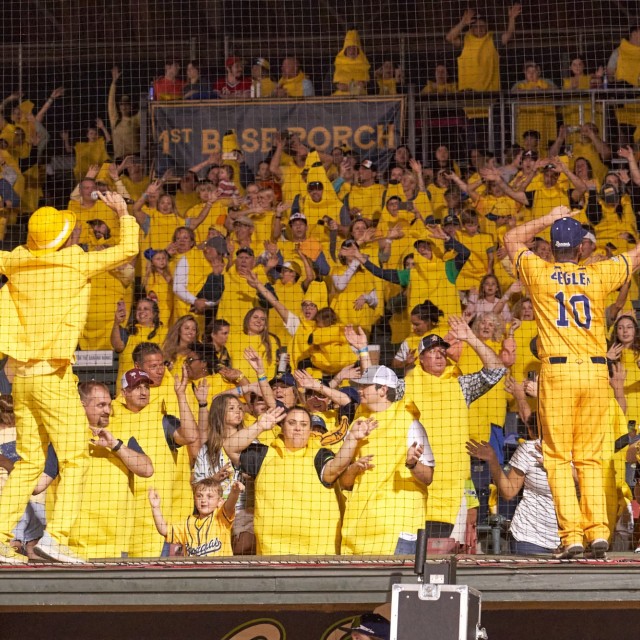
For the devoted fan, a doubleheader is an opportunity wrapped in chaos. Two games mean twice the drama, twice the excitement, twice the chance to see history unfold. But it’s also a logistical nightmare. Do you clear your schedule? Do you bring snacks? Do you mentally prepare for the possibility of your team losing both games and your sanity?
The early game often sets the tone, but it’s the late game that tests your resolve. By the seventh inning of the second contest, the novelty wears thin. The crowd thins out. The energy dips. Yet, there’s a strange camaraderie in sticking it out—cheering for a late rally, groaning at a defensive miscue, marveling at the sheer willpower of players who refuse to quit. The doubleheader becomes less about the scoreboard and more about the shared experience, a test of endurance where the real victory is making it to the final out.
And then there’s the social aspect. Doubleheaders are where lifelong friendships are forged (or tested) over shared hot dogs and questionable decisions to buy a third beer. They’re where you learn the names of the vendors, the quirks of the stadium, the unspoken rules of the bleachers. In an era of instant replays and stat-tracking apps, the doubleheader is a throwback—a reminder that baseball isn’t just a game; it’s a communal ritual.
The Manager’s Chessboard: Strategy in a Pressure Cooker
A doubleheader isn’t just two games; it’s a high-stakes chess match where every move has consequences. Managers must balance the need for rest with the urgency of winning, all while navigating the fatigue that creeps in like a slow fog. Do they save their ace for the second game, or roll the dice with a bullpen game? Do they platoon players more aggressively, or stick with the tried-and-true lineup? The decisions are magnified, the margins for error slimmer.
Bullpen management becomes an art form. A manager can’t afford to burn through his best arms in the first game, but he also can’t afford to let the opposition dictate the pace. The middle relievers—those unsung heroes of the game—suddenly find themselves thrust into the spotlight, asked to bridge the gap between starter and closer in a compressed timeframe. One misstep, and the entire day unravels.
And then there’s the psychological game. A doubleheader can be a momentum killer or a momentum builder. A team that loses the first game might regroup and dominate the second, or it might fold under the weight of defeat. A team that wins the first game carries that confidence into the night, but the pressure to close it out can be suffocating. The manager’s job is to keep the team’s head in the game, to prevent the fatigue from turning into frustration, and to ensure that the second game doesn’t become a mere afterthought.
The Player’s Grind: When the Body Says No, But the Mind Says Yes
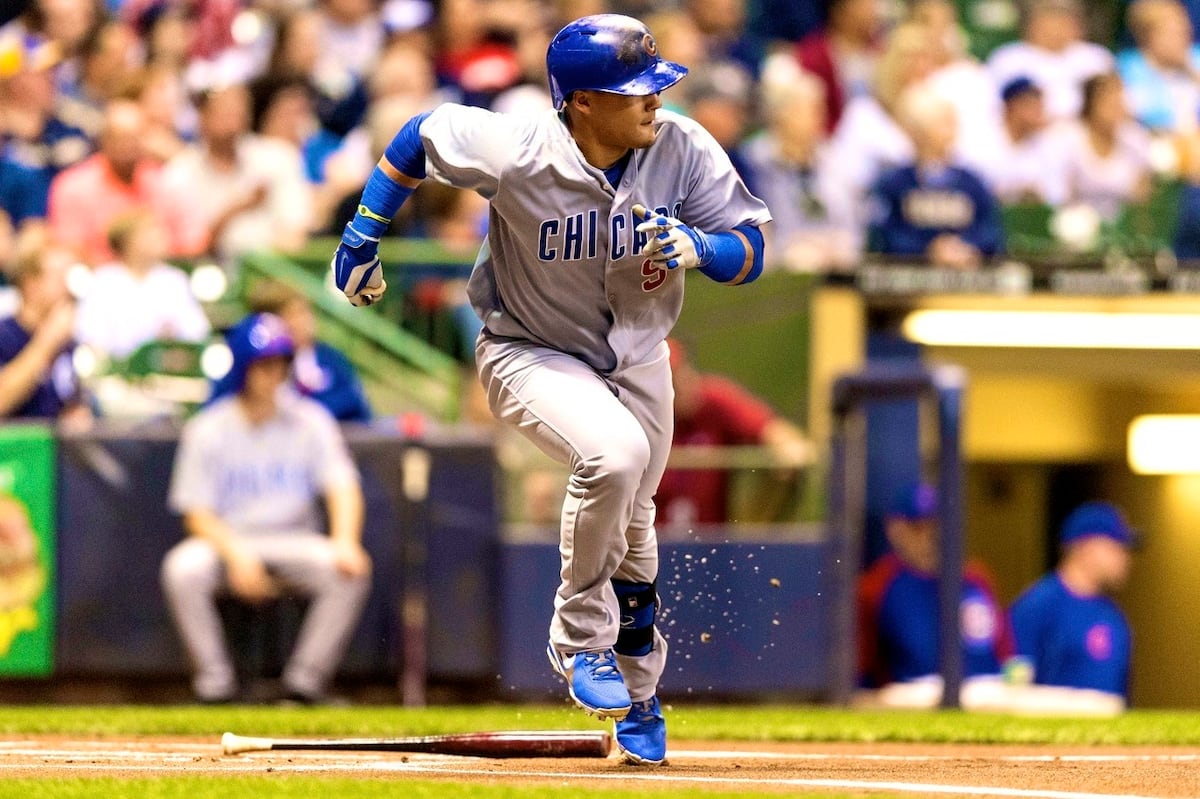
For the players, the doubleheader is a physical and mental gauntlet. The first game is a test of skill; the second is a test of will. Pitchers who might normally pace themselves over 100 pitches are asked to do it twice in one day. Position players who’ve already logged six innings in the field must dig deep for another six. The body aches. The mind wanders. Yet, they play on.
There’s a certain pride in gutting out a doubleheader. It’s a badge of honor, a testament to their love for the game. But it’s also a reminder of the sport’s brutality. The doubleheader exposes the fragility of the human body, the thin line between glory and injury. A pitcher’s arm might feel fine in the first game, but by the sixth inning of the second, every throw is a gamble. A fielder’s legs might be fresh in the early innings, but by the late game, every step is a reminder of the wear and tear.
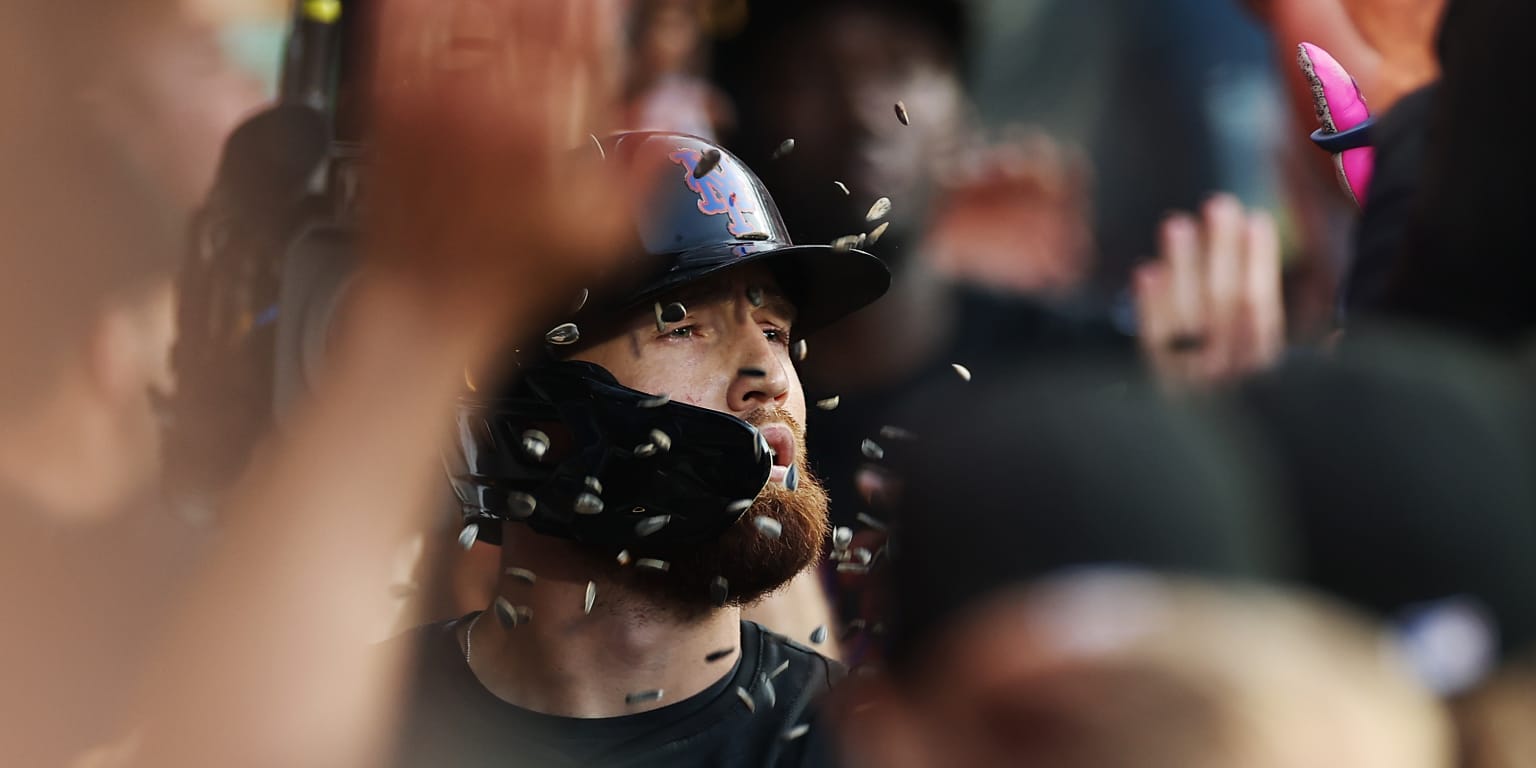
Yet, for all its challenges, the doubleheader is also where legends are made. It’s where a journeyman pitcher might throw a gem in both games, or a backup outfielder might deliver a walk-off hit in the nightcap. It’s where the grind of the season is distilled into a single, unforgettable day—a day where the players prove they’re more than just athletes; they’re warriors.
The Aftermath: When the Dust Settles and the Stories Begin
By the time the final out of the second game is recorded, the doubleheader is over. But its impact lingers. The players collapse into the clubhouse, their bodies spent, their minds already turning to the next challenge. The fans file out, some elated, some exhausted, all carrying the weight of two games in one day. The managers review the tape, dissecting every decision, every misplay, every moment that could have changed the outcome.
And then there’s the storytelling. The doubleheader becomes a shared experience, a tale told and retold in bars, in dugouts, in living rooms. The near-miss in the first game, the clutch hit in the second, the manager’s bold move that paid off—or didn’t. The doubleheader isn’t just two games; it’s a narrative, a chapter in the larger story of the season.
In the end, the doubleheader is a reminder that baseball isn’t just a sport. It’s a test of endurance, a battle of wits, a communal experience. It’s a day where the usual rules don’t apply, where the stakes are higher, and where the love for the game shines brightest. So the next time you hear the words “We play today?”—brace yourself. The grind is about to begin.