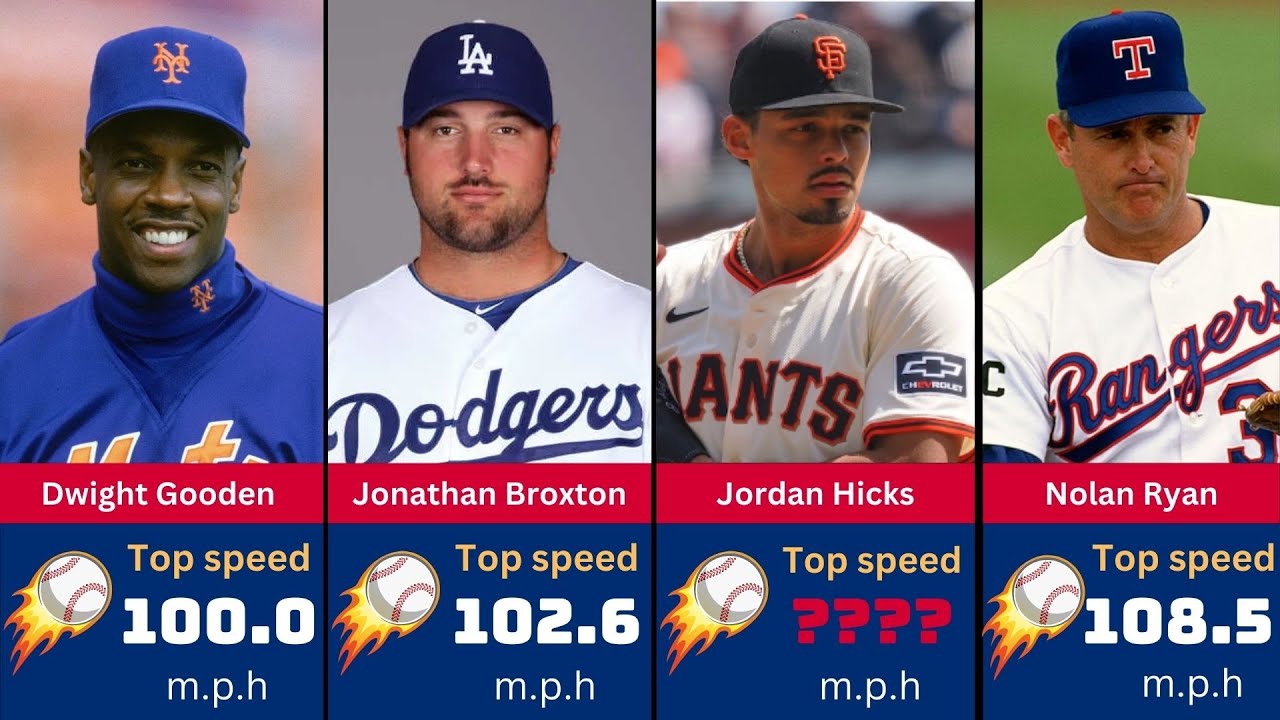
In the labyrinthine world of baseball analytics, where numbers whisper secrets and spreadsheets hum with hidden truths, a new metric has emerged from the shadows—xERA. Short for “expected Earned Run Average,” xERA is the sabermetric equivalent of a crystal ball, offering a glimpse into a pitcher’s true performance beyond the capricious whims of luck and defense. But here’s the rub: while xERA strives to strip away the noise, actual ERA—the traditional measure of a hurler’s woes—often tells a different story. Some pitchers, it seems, are getting the short end of the statistical stick, their ERAs inflated by forces beyond their control. Others, meanwhile, might be skating by on sheer luck. The question lingers like a curveball hanging in the strike zone: who, exactly, is getting screwed?
The Illusion of the Earned Run Average
ERA, the hallowed statistic that has defined pitching greatness for over a century, is a blunt instrument. It measures the average number of earned runs a pitcher allows per nine innings—but it does so with the blindfold of reality. A bloop single that falls in no-man’s-land becomes an earned run, even if the pitcher’s mechanics were flawless. A line drive crushed into the gap? Same story. ERA doesn’t care about the quality of contact, the positioning of the defense, or the sheer bad fortune of a ball finding a glove’s gap. It’s a stat that thrives on absolutes, yet dances with the ephemeral.
Enter xERA, the sabermetric savior. This metric, derived from advanced models like Statcast’s pitch-level data, estimates what a pitcher’s ERA should be based on the quality of every pitch thrown—the exit velocity of batted balls, the launch angle, the spin rate, the hang time of flyouts. It’s ERA’s more discerning cousin, one that doesn’t just count runs but understands them. A pitcher with a high ERA but a low xERA isn’t just unlucky; they’re a victim of circumstantial tyranny. Their numbers are inflated by a cruel twist of fate, like a batter who keeps fouling off 95-mph fastballs before finally succumbing to a hanging slider.
The Great Unlucky: Pitchers with xERA Beneath Their ERA
Some pitchers are the human embodiment of a misprinted baseball card—brilliant on paper, but cursed by reality. Take the case of a hurler whose xERA dips below his actual ERA by a full run or more. This isn’t just a statistical quirk; it’s a narrative of perseverance against the odds. Their fastballs may be darting like hummingbirds, their sliders snapping like whips, yet the baseball gods conspire to drop hits in the right places. A weak grounder finds the hole. A lazy fly ball drops untouched. A blooper falls just over the infield. Each of these events, when tallied, inflates the ERA, painting a portrait of ineptitude where none exists.
Consider the pitcher who induces weak contact but sees it fall for hits. Their xERA reflects the true caliber of their work, while their ERA becomes a ledger of bad breaks. It’s the baseball equivalent of a chef preparing a five-star meal, only for the diners to complain about the presentation. The food is exquisite, but the plate is chipped. The pitcher’s craft is undeniable, yet the scoreboard tells a different tale. These are the unsung heroes of the mound, the artists who paint with precision but are judged by the smudges on the canvas.
The Lucky Few: When xERA Lies Beneath the Surface
Of course, not every pitcher is a victim of bad luck. Some are beneficiaries of statistical benevolence, their ERAs propped up by a steady diet of weak contact and defensive heroics. These are the pitchers who, like a golfer who gets lucky bounces on every hole, seem to defy the laws of probability. Their xERA lingers in the mid-3s, but their ERA dips into the high 2s, a testament to the fickle nature of run prevention. They’re not frauds—far from it—but they’re certainly riding a wave of fortune that may not last.
This phenomenon is particularly pronounced in eras where defensive shifts are deployed with surgical precision. A pitcher who induces a high volume of ground balls to the right side might see those balls find gloves that wouldn’t exist in a less analytically driven league. Their xERA accounts for the true difficulty of each batted ball, while their ERA benefits from the defensive alignment. It’s a bit like a quarterback throwing to a receiver who’s always open because the defense is playing prevent—sure, the throws look great, but the system is doing half the work.
The Human Element: When Numbers Fail to Capture the Soul
Yet even xERA, for all its sophistication, cannot fully encapsulate the intangibles of pitching. The grit of a hurler who battles through a blister. The mental fortitude required to toe the rubber with the bases loaded. The sheer willpower to summon a 98-mph fastball after three consecutive walks. These are the elements that transform a good pitcher into a legend, and they exist beyond the reach of any statistic. xERA may tell us that a pitcher is unlucky, but it cannot measure the fire in their belly when they stare down a 3-2 count with the game on the line.
There’s also the matter of sequencing—the cruel joke of baseball that dictates whether a string of singles results in a crooked number or a bases-clearing blast. A pitcher might induce weak contact in every at-bat, only for one ill-timed mistake to be deposited into the bleachers. The xERA will reflect the quality of contact, but it won’t account for the psychological toll of that one mistake. It’s the difference between a symphony where every note is perfect, and one where a single sour note ruins the entire performance.
The Arms Race: How xERA is Reshaping the Game
The rise of xERA isn’t just a curiosity for statheads; it’s a revolution in how teams evaluate talent. Front offices now pore over xERA reports like medieval scholars poring over alchemical texts, searching for the hidden gems—pitchers whose ERAs are inflated by bad luck, whose true value is obscured by the fog of war. The Oakland Athletics, pioneers of the analytics movement, have long been advocates of xERA, using it to identify undervalued arms in the draft and international markets. It’s a strategy that turns the traditional scouting report on its head, replacing gut feelings with granular data.
But the arms race isn’t just about finding bargains. It’s also about mitigating risk. A pitcher with a high xERA but a low actual ERA might be a ticking time bomb, their success predicated on a house of cards built on weak contact and defensive prowess. Teams are increasingly wary of overpaying for pitchers who are merely beneficiaries of good fortune. The lesson is clear: in the modern game, luck is a currency that can be spent, but it’s not a sustainable investment.
The Verdict: Who’s Really Getting Screwed?
The answer, as with most things in baseball, is complicated. The pitchers with xERA below their ERA are the tragic heroes of the mound, their ERAs inflated by a cruel twist of fate. They’re the artists whose masterpieces are marred by smudges they didn’t create. Meanwhile, the pitchers with xERA above their ERA are the beneficiaries of statistical benevolence, their numbers propped up by forces beyond their control. They’re the golfers who get lucky bounces on every hole, their victories as fleeting as they are impressive.
But perhaps the real victims are the fans who watch these games, their emotions yanked between hope and despair by the whims of a small white ball. They see a pitcher with a 4.50 ERA and assume he’s mediocre, never knowing that his xERA tells a story of resilience against the odds. They see a hurler with a 2.80 ERA and cheer his dominance, oblivious to the fact that his xERA suggests he’s one bad break away from statistical purgatory. In the end, the battle between xERA and actual ERA isn’t just a numbers game—it’s a reminder that baseball, at its core, is a sport of human triumph and heartbreak, where the numbers only tell half the story.