Engaging children in baseball throughout the winter months presents unique opportunities and challenges. While cold weather and shortened daylight hours might discourage outdoor activity, a thoughtful approach to off-season training can significantly enhance a young athlete’s skills, physical fitness, and passion for the game. Year-round development in baseball not only keeps children physically active but also fosters mental resilience and strategic understanding of the sport. This article delves into smart training tips designed to optimize kids’ baseball development during winter, presenting a comprehensive guide for parents, coaches, and young players alike.
Understanding the Importance of Winter Training
Winter training is not merely about maintaining conditioning; it is an integral phase of a well-rounded athletic regimen that cultivates strength, technical skill, and cognitive acumen. Baseball, being a nuanced sport, demands consistent practice to hone fundamentals such as batting, throwing mechanics, and positional awareness. The hiatus in competitive games does not signal a break in improvement but rather a crucial season to build foundational attributes that accelerate future performance. Utilizing this period effectively can prevent regression and better prepare kids for the dynamic demands of spring and summer leagues.
Indoor Conditioning and Skill Workouts
Given the limitations imposed by weather conditions, indoor training becomes paramount. Fitness-oriented activities such as agility drills, plyometric exercises, and resistance training can be safely conducted indoors with minimal equipment. These workouts enhance explosive power, hand-eye coordination, and balance, all pivotal for baseball success. Utilizing soft weighted balls or resistance bands aids in muscle strengthening while minimizing injury risk. Additionally, skill-specific drills like tee work for batting, mirror drills for pitching mechanics, and catching practice with soft gloves can be adapted to indoor settings, ensuring continuous skill refinement during colder months.
Emphasizing Mental and Strategic Development
Baseball is as much a game of intellect as it is of physical prowess. Winter offers a golden opportunity to immerse young players in the mental aspects of the sport. Studying professional games through video analysis, learning situational baseball, and developing a deeper understanding of strategy can profoundly impact a player’s decision-making capabilities on the field. Coaches and parents can facilitate interactive sessions that challenge children with scenarios that require critical thinking, sharpening their anticipation and response to various game situations.
Nutritional Support for Active Winter Athletes
Maintaining optimal nutrition is essential to support the increased physical demands of winter training while combating the potential sluggishness induced by dormant periods. A diet rich in lean proteins, complex carbohydrates, and essential fats aids recovery and energy replenishment. Hydration remains a critical factor, even when perspiration is less noticeable in colder climates. Educating young athletes about proper nutritional habits, including pre- and post-training fueling, establishes lifelong wellness principles that extend beyond their baseball endeavors.
Utilizing Technology for Skill Enhancement
Integrating modern technology into winter training can elevate skill acquisition to new heights. Tools such as high-speed cameras and motion analysis software enable detailed breakdowns of pitching and batting mechanics. Virtual reality (VR) systems can simulate real-game environments, providing immersive practice experiences that sharpen visual tracking and improve reaction times. Even rudimentary apps that track throwing velocity or batting speed can motivate young players by offering measurable progress, cultivating a sense of achievement during indoor training sessions.
Developing Flexibility and Injury Prevention Strategies
Winter training offers a prime window to focus on flexibility and injury prevention, dimensions often overshadowed during the competitive season. Structured stretching routines, yoga, and dynamic warm-up sequences enhance muscle elasticity and joint mobility, reducing the risk of strains or overuse injuries. Educating kids on proper warm-up and cool-down techniques engenders bodily awareness and self-care habits that contribute to longevity in sports participation. Emphasizing rest and recovery amidst structured exercise balances workload and mitigates burnout risks.
Creating a Motivating Environment for Year-Round Engagement
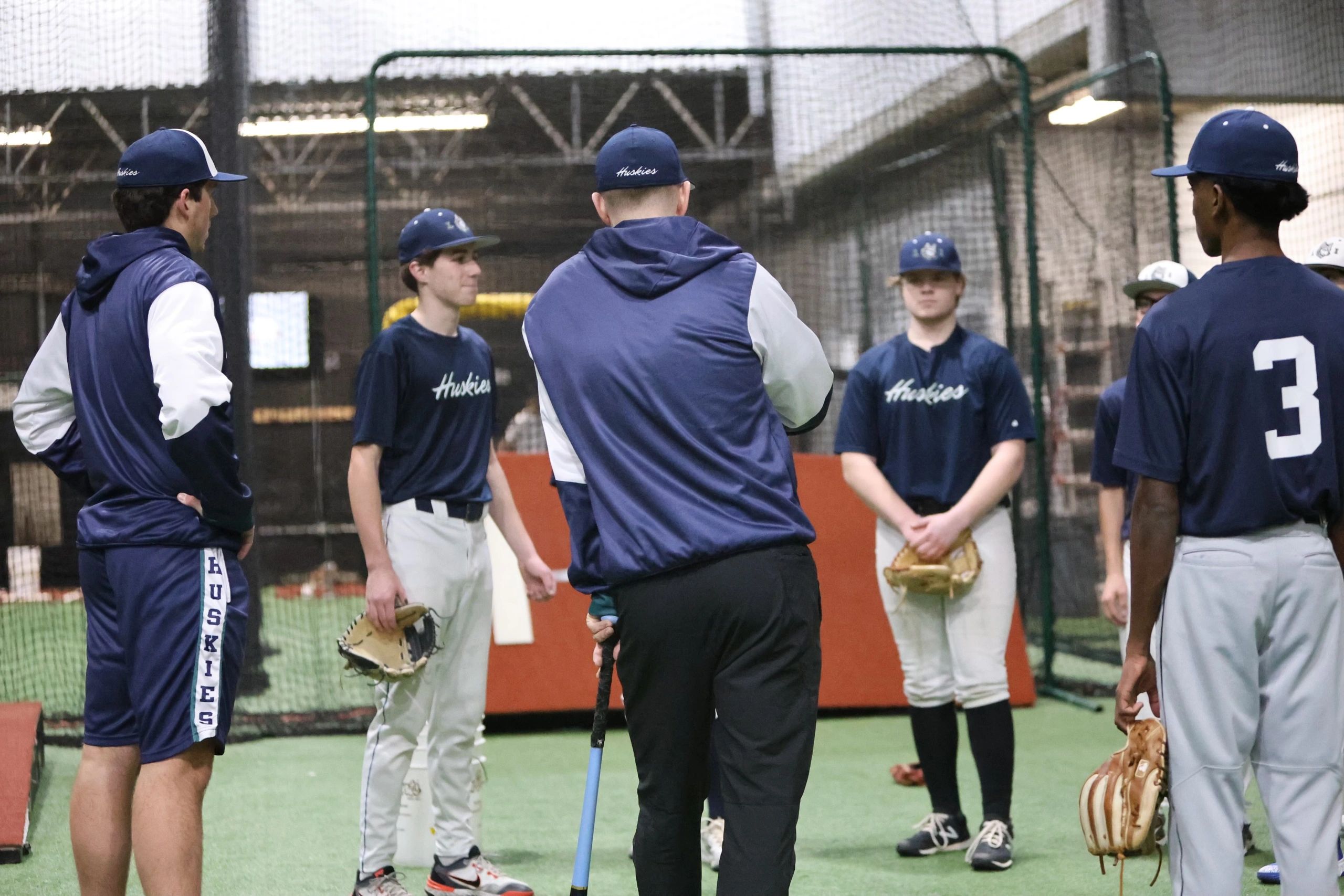
Maintaining enthusiasm for baseball through the winter is a challenge that requires creativity and support. Organizing small group sessions, friendly indoor scrimmages, and skill challenges helps sustain a competitive yet enjoyable atmosphere. Setting attainable goals and celebrating incremental improvements keeps motivation high. Parents and coaches play a pivotal role in fostering positive reinforcement and instilling a growth mindset that values effort and persistence over immediate results. Encouraging social interaction within the baseball community also nurtures camaraderie and a shared passion despite seasonal constraints.
Adapting Training to Age and Skill Level
Training approaches must be tailored to the developmental stage of each child. Younger players benefit substantially from playful, varied activities that build basic motor skills and introduce fundamental baseball concepts gently. Older or more experienced athletes can handle targeted training regimes that address specific weaknesses and advance technical competencies. Recognizing individual progress and adjusting intensity accordingly prevents discouragement and injury while maximizing each player’s potential over the winter months.
Incorporating Cross-Training to Enhance Athleticism
Cross-training with complementary sports is a valuable strategy during winter to augment overall athleticism and prevent monotony. Activities such as swimming, basketball, or gymnastics develop cardiovascular endurance, coordination, and core strength, all transferrable to baseball. These diverse movements stimulate different muscle groups and foster a balanced physical development. Cross-training also helps maintain enthusiasm by offering variety, reducing the psychological fatigue associated with repetitive sport-specific drills.
Planning for a Smooth Transition into Spring Season
A well-structured winter training program should culminate in a seamless shift toward pre-season preparation. As temperatures rise and outdoor facilities become accessible, reintroducing larger field workouts, throwing sessions at distance, and full batting practice sessions must be gradual to avoid overloading the child’s body. Gradual ramp-up strategies maintain the gains achieved indoors and refine performance under real-game conditions. Through deliberate planning and consistent effort, the winter months become a cornerstone for success in the baseball season ahead.