In the grand theater of baseball, every crack of the bat and rustle of the crowd converges into a symphony of tension and exhilaration. Yet, amid these harmonious sounds lies one jarring note—the painful clang of a foul ball detonating off an umpire’s shin. This singular moment, ripe with visceral impact and raw sensation, transcends ordinary game-day occurrences. It stands as a metaphor for the unpredictable dance of chance, resilience, and spectacle that defines the sport’s unique allure.
The Anatomy of the Painful Foul Ball Strike
To appreciate the full dimension of a foul ball striking the shin, one must first delve into the physical and sonic characteristics that make the experience so unmistakable. The shin, a protuberant ridge of bone beneath a thin veil of skin, lacks any substantial muscle padding. When a baseball, propelled at velocities upwards of 90 miles per hour, connects with this bony landmark, the ensuing collision is both audibly and physically acute. The sound is a sharp, reverberating crack—less a dull thud and more akin to a whip-crack snapped in a silent room.
Beyond the auditory impact, there is the immediate, often crippling jolt of pain that courses through the leg, as if the very marrow were momentarily electrified. This acute discomfort is not merely a fleeting sting; it imprints a visceral memory, etching the moment indelibly into the mind of the unlucky umpire. Across the diamond, this incident unfolds as an almost ritualistic rite of passage for those who stand sentinel at home plate, underscoring the occupational hazards inherent in officiating America’s pastime.
The Umpire’s Role: The Unsung Guardian of the Game
Umpires are the inconspicuous fulcrum balancing the nuanced scales of fair play and competitive fervor. While players bask in adulation or bear the brunt of boos, umpires often endure the brunt of the game’s physical and emotional rigors with stoic fortitude. Their proximity to the batter ensures that foul balls frequently sail perilously close, posing a constant threat of bodily injury.
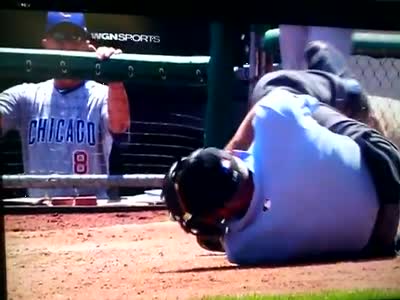
When struck by a foul ball, particularly on the shin, an umpire’s response is a blend of instinctive recoil and professional resilience. This moment reveals a silent narrative of dedication, wherein the official prioritizes the sanctity of the game over personal discomfort. The painful encounter becomes a testament to their sacrificial vigilance—a visible symbol of the physical risks woven into the fabric of their vocation.
Metaphorical Resonance: The Foul Ball as Life’s Unpredictable Blow
More than a mere athletic misfortune, the sound of a foul ball smacking into an umpire’s shin resonates as a metaphor for life’s unanticipated challenges. Like the umpire’s unshielded shinbone, individuals often face sudden, unavoidable jolts—moments that disrupt momentum and demand endurance. The unexpected, sharp pain is a reminder that even in well-ordered systems, chaos and unpredictability prevail.
This metaphor extends to the game itself. Baseball, with its measured pace and bursts of explosive action, mirrors the oscillation between control and chance. The foul ball’s errant trajectory, defying the intentions of batter and pitcher alike, encapsulates the sport’s intrinsic embrace of uncertainty. It personifies the ephemeral fragility of plans in motion, culminating both in poignant adversity and exhilarating surprise.
The Unique Acoustic Signature: Sound as a Storyteller
Sound in baseball is not merely background noise; it is an active storyteller that evokes emotion and contextualizes physical events. The percussive smack of a foul ball against an umpire’s shin cuts through the ambient chatter, an aural exclamation point in the narrative of the game. This distinctive tone conveys immediacy—a primal alert signifying injury and disruption.
Within the stadium, this sharp collision often draws a spontaneous ripple of reaction—collective gasps, groans, or uncomfortable laughter—binding spectators in a shared experience. Such moments embellish the unfolding drama with authenticity, reminding all present of the sport’s human elements beneath its statistical veneer. The sound lingers in memory, a sonic artifact capturing a nuanced tableau of pain, endurance, and communal empathy.
The Cultural Impact and Enduring Fascination
Foul balls striking umpires have spurred a peculiar fascination among fans and commentators. Highlight reels frequently compile these moments, elevating them into emblematic vignettes of baseball’s unpredictable theater. This enduring interest reflects society’s broader intrigue with resilience in the face of adversity—an appreciation of vulnerability cloaked in courage.
Moreover, these incidents have sparked subtle evolutions in umpire gear and positioning, as the league continually seeks to mitigate injury while preserving the integrity of officiating. The dialogue between tradition and innovation around umpire safety underscores baseball’s continual balancing act between nostalgia and progressiveness. Thus, the painful foul ball transcends a single moment of misfortune to inform and shape the sport’s future trajectory.
Conclusion: Embracing the Unseen Narrative Within the Game
Behind the familiar rhythms of baseball—the crack of the bat, the roar of the crowd—lies an intricate tapestry of moments that define the sport’s essence. The painful foul ball hitting an umpire’s shin is one such episode, replete with physical, auditory, and metaphorical significance. It encapsulates the vulnerability hidden beneath the surface of baseball’s stoic exterior and magnifies the human element that elevates the game beyond mere competition.
In embracing these moments, the baseball community acknowledges the sacrifices and perils etched into every pitch and play. The sharp clang of that foul ball reverberates as an enduring symbol of the unpredictable, poignant beauty inherent in baseball—a sport where pain and passion collide in perfect, unforgettable harmony.