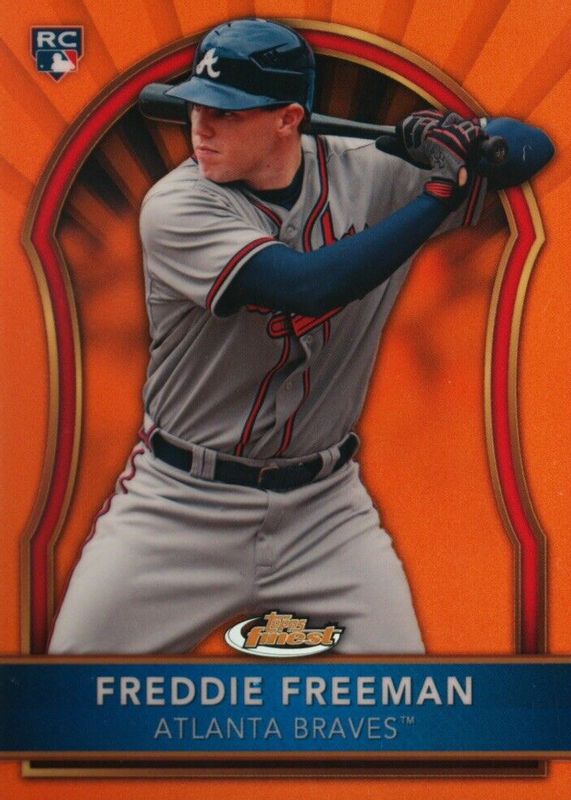
What if a single baseball card could encapsulate more than just athletic prowess or statistical achievement? Could one piece of cardboard, printed with a photograph and some numbers, somehow narrate a story that transcends the boundaries of the game itself? In the world of sports memorabilia, certain cards ascend beyond mere collectibles. They become relics of cultural significance, windows into the human spirit and tales of perseverance, triumph, and identity. The Freddie Freeman baseball card is precisely such an artifact—a symbol embodying more than baseball’s rich tapestry.
The Iconography Behind a Simple Card
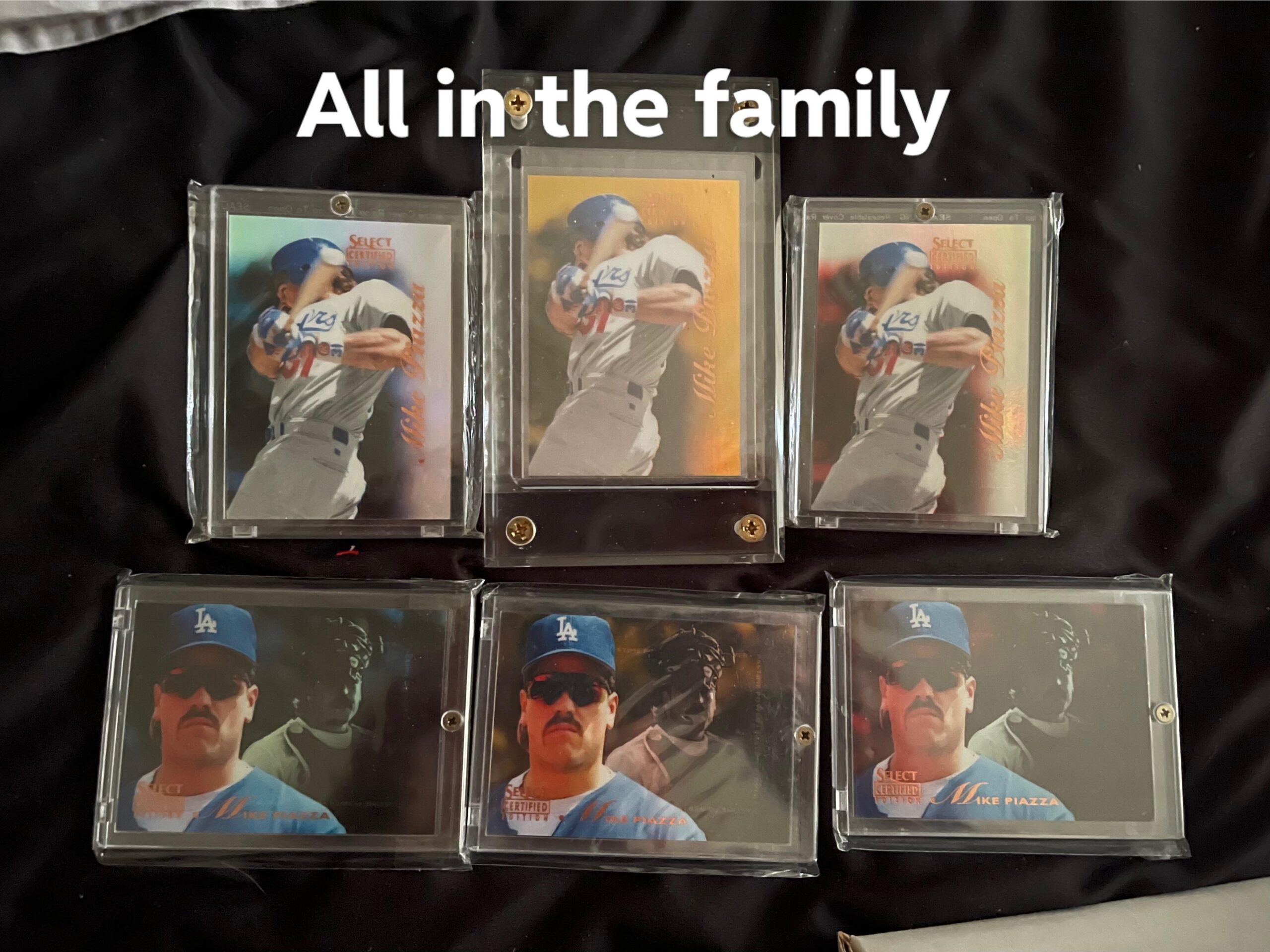
At first glance, a Freddie Freeman baseball card might appear straightforward: a snapshot of a poised athlete in mid-swing, his expression a blend of focus and calm. Yet, this image is a distilled album of moments, seasons, and milestones fused together. The pose itself is not accidental. It captures raw intent and the silent dialogue between player, bat, and ball—a silent waltz that defines baseball’s rhythm. But beyond the aesthetic lies an emblematic representation of dedication, resilience, and the intangibles that shape a sports legend.
A Journey Etched Into Cardboard
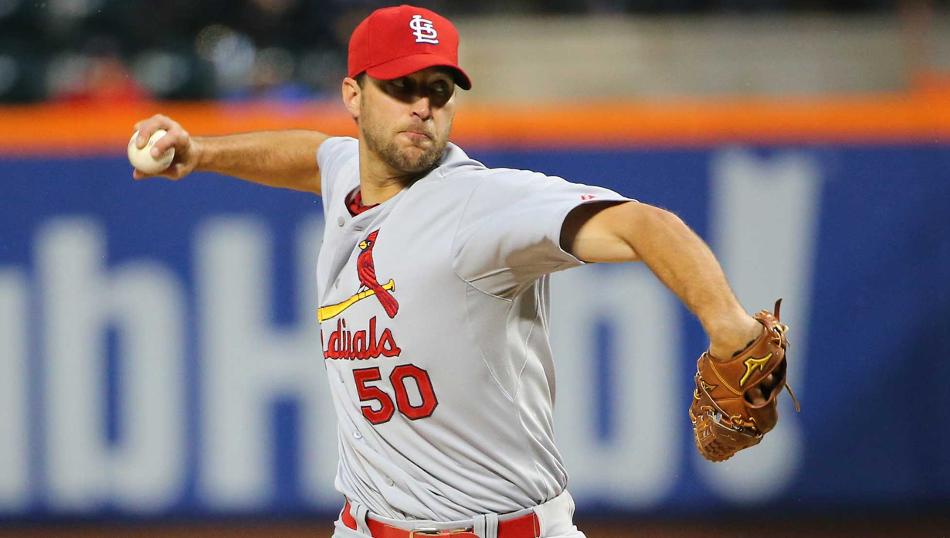
Freddie Freeman’s career is a narrative stitched with determination through adversity. From his roots in Georgia to becoming an MLB MVP and World Series champion, his path wasn’t linear or easy. This trajectory, when considered alongside a single card, evokes the broader human experience—ambition tempered by sacrifice and setbacks. Each scratch, wrinkle, or blemish on the card parallels the trials endured and memories forged on crisp autumn field turf and under stadium lights. Thus, the card becomes almost a tactile biography, tangible proof of a story lived out.
The Challenge of Perception: Monetizing Memory vs. Celebrating Legacy
One might ask, does the monetary valuation of such a card commodify the very spirit it represents? This question presents a playful yet profound challenge: how does one reconcile the commercial market with emotional nostalgia? Collectors feverishly chase high price tags, chasing rarity and condition, while fans cherish the memories and emotional hooks tied to the player. This dichotomy mirrors larger societal conflicts between materialism and meaning. Can a balance be struck, or does the chase inevitably distort the authenticity of the story the card tells?
Baseball Cards as Cultural Time Capsules
Beyond individual stories, baseball cards serve as chronicles of their era, capturing the zeitgeist in colors and design, statistics and sponsorship logos. The Freddie Freeman card reflects a moment in time within MLB’s history, characterized by evolving play styles, shifting team dynamics, and changing fan cultures. It offers a palpable sense of continuity amidst flux, bridging past traditions with future dreams. In this regard, the card functions not just as memorabilia but as a cultural time capsule, preserving the ethos of baseball’s contemporaneous chapter.
The Emotional Tangibility of a Collectible
In a digital age where experiences often evaporate into pixels and fleeting stories, the tactile nature of the Freddie Freeman card provides grounding. Holding such a card evokes sensations—smooth edges, the slight gloss of ink, the weight in one’s hand—that digitally rendered images can never replicate. This sensory connection intensifies the emotional resonance, unlocking nostalgia and a profound attachment to moments, teammates, and personal milestones. The card thus becomes a portal to memories and identity reaffirmation, offering solace to those who treasure the game’s lineage.
Legacy Beyond the Diamond
Freddie Freeman’s influence extends past home runs and MVP awards. He embodies leadership, character, and philanthropy, attributes sometimes overshadowed by highlight reels but captured subtly in the aura surrounding his memorabilia. The card, then, symbolizes more than athleticism; it’s a testament to impact. It invites reflection on how athletes shape communities and inspire lives off the field. This layered significance beckons collectors and fans alike to appreciate the multidimensional facets of sports legends—reminding us that baseball, like life, encompasses far more than what appears in statistics.
The Future of Freddie Freeman Cards in a Changing Collectibles Landscape
With the rise of digital collectibles and non-fungible tokens (NFTs), traditional baseball cards face a crossroads. Will physical cards like Freddie Freeman’s retain their mystique, or will they become relics as the future leans toward virtual arenas? This potential paradigm shift challenges collectors to reconsider the nature of value and memory. Yet, the enduring allure of a card that tells a story beyond baseball suggests that tactile, authentic experiences will persist. For now, the card remains a beacon of palpable history amid an increasingly intangible world.
Conclusion: More Than a Card—A Chronicle of Human Spirit
The Freddie Freeman baseball card is a portal that invites us to look deeper than surface achievements. It poses playful questions about value, memory, and identity, challenging us to see beyond the mere object to the human essence it captures. In its modest frame resides a resonant narrative of trials, triumphs, and lasting legacy—reminding us that sometimes the most profound stories come in the smallest packages. In the end, this card is not just a collector’s item; it’s a chronicle of the human spirit etched onto cardboard, forever entwined with the timeless game of baseball.