In the high-octane world of Major League Baseball, the difference between enduring deep into the late innings and folding early can hinge on the simplest of things: what a player eats before stepping onto the diamond. A pre-game meal is not merely a routine; it is an essential ritual that fuels performance, sharpens focus, and sustains stamina. Yet choosing the right foods is an intricate science — one wrong bite can lead to sluggishness, cramps, or worse, feeling queasy well before the fifth inning. Understanding the nuances of a baseball-appropriate meal is paramount for athletes seeking longevity and consistency in their game. This guide unpacks the anatomy of the ideal pre-game meal, delving into composition, timing, digestion, and practical examples that seamlessly blend nutrition with athletic performance.
Nutritional Foundations: Macronutrients and Their Role
The cornerstone of any efficacious pre-game meal lies in its macronutrient balance. Carbohydrates predominate as the primary source of readily accessible energy. Complex carbohydrates like whole grains, sweet potatoes, and legumes provide a steady glucose release, maintaining blood sugar levels and staving off fatigue. Equally pivotal are proteins, which facilitate muscle repair and aid in the gradual assimilation of energy. However, pre-game protein consumption should be moderate to avoid digestive distress. Lean sources such as chicken breast, turkey, or plant-based proteins fit this criterion well. Fats, while often demonized, are vital in moderation for sustained energy, but high-fat foods can slow gastric emptying, increasing the risk of discomfort during competition.
Understanding this macronutrient interplay ensures that the meal supports not only physical endurance but cognitive acuity, heightening reaction times and decision-making speed—critical elements in the fast-paced baseball environment.
Timing Is Everything: When to Eat Before the First Pitch
Proper meal timing is a delicate art that can make or break an athlete’s physical readiness. Consuming a substantial meal approximately three to four hours before game time allows for sufficient digestion and nutrient absorption. This window prevents that heavy, sluggish sensation often associated with eating too close to activity. For instance, a meal combining brown rice, grilled chicken, and steamed vegetables at midday before an evening game exemplifies an ideal pre-game strategy.
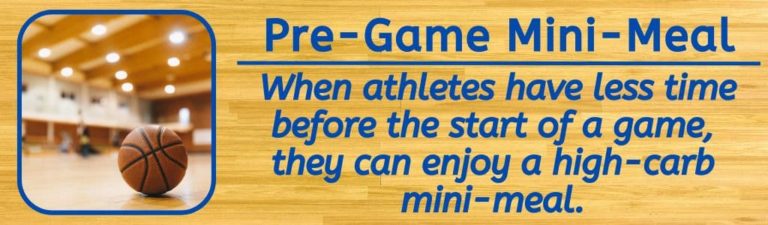
In contrast, smaller, carbohydrate-rich snacks can be consumed approximately one to two hours prior to the game to address imminent energy demands without overwhelming the stomach. A banana, a small bowl of oatmeal, or a sports bar rich in complex carbs can serve as effective top-offs, providing glucose for immediate muscular fuel.
The Digestion Dilemma: Avoiding Gastrointestinal Distress
Baseball requires dynamic movement, rapid sprints, and exacting hand-eye coordination—any gastrointestinal discomfort can undermine these mechanics. Foods high in fiber or those that provoke acidity should be circumvented in the pre-game window. Raw vegetables, beans, and carbonated drinks may cause bloating or increased gas, impairing comfort and concentration. Similarly, excessive dairy intake can induce laxative effects or cramping in lactose-intolerant individuals.
Hydration intertwines intricately with digestion. Consuming adequate fluids supports smooth nutrient transit and muscular hydration. However, overconsumption immediately before the game can lead to a distended stomach and frequent restroom breaks, disrupting pre-game focus. A judicious balance—sipping fluids steadily in the hours leading up to competition—is advisable.
Psychological Impact: Food as a Pre-Game Ritual
The pre-game meal transcends physical nourishment; it embeds itself into the athlete’s psychological preparation. Familiarity with certain foods evokes comfort and routine, reducing pre-match anxiety. A ritualized meal can catalyze a mental state conducive to competitive focus and confidence. For example, a player might favor oatmeal topped with honey and almonds, a uniquely energizing combination that signals readiness to their mind and body alike.
Additionally, the inclusion of foods with mood-stabilizing properties—such as those rich in omega-3 fatty acids from nuts or seeds—can subtly enhance neurotransmitter balance, helping to regulate stress and maintain calm without sedation.
Customization and Individual Variability
While generalized nutritional principles apply, individual variance in metabolism, digestive sensitivity, and food preferences necessitates tailored strategies. What fuels one player might debilitate another. Testing and refining meal choices during practice days is critical for establishing an optimal pre-game plan. Some athletes thrive on a predominantly plant-based regimen, while others rely on animal proteins for satiety and recovery.
Keeping a detailed food and performance journal can be invaluable. Documenting how different foods influence energy levels, digestive comfort, and mental clarity affords players and their nutritionists actionable insights to optimize their pre-game meals.
Sample Meal Suggestions for Lasting Energy
Constructive examples illuminate the path to effective fueling. Consider a sample pre-game meal three hours prior to play:
- Grilled chicken breast seasoned lightly with herbs
- Quinoa or brown rice as a complex carbohydrate source
- Steamed broccoli and carrots for vitamins and antioxidants
- Small portion of avocado for healthy fats
- Hydration with water or electrolyte-infused beverage
Alternatively, a light snack 60 to 90 minutes before first pitch might include a banana paired with a handful of almonds or a slice of whole-grain toast topped with natural peanut butter. These options provide digestible carbohydrates and moderate protein with minimal fat, ensuring rapid energy availability and digestive comfort.
Supplements and Enhancements to Consider
Though real food should always be prioritized, certain supplements can complement the pre-game meal. Branched-chain amino acids (BCAAs) have garnered attention for reducing muscle breakdown, potentially extending stamina during a long game. Additionally, beetroot juice, rich in nitrates, can enhance aerobic capacity and capillary efficiency.
It is important to integrate supplements judiciously and under professional guidance, as overreliance or incorrect timing can counteract any benefits and even cause adverse effects.
Conclusion: The Meal as Performance Catalyst
In baseball, where sustained concentration and physical exertion coalesce for hours, the pre-game meal is an indispensable pillar of performance strategy. It must be meticulously planned, balancing macronutrients for enduring energy, timing for optimal digestion, and psychological comfort to prime mental acuity. Avoiding foods prone to causing gastrointestinal distress is essential to maintain on-field readiness without disruptions. Moreover, customization acknowledging individual physiologies and preferences distinguishes the exceptional from the mediocre in athletic fuel management.
Ultimately, the pre-game meal is not merely sustenance; it is a calculated, nuanced effort that can dictate whether a player thrives through the ninth inning or succumbs prematurely. Embracing this perspective transforms meal planning from a mundane checklist into a vital tactical advantage in the quest for victory.