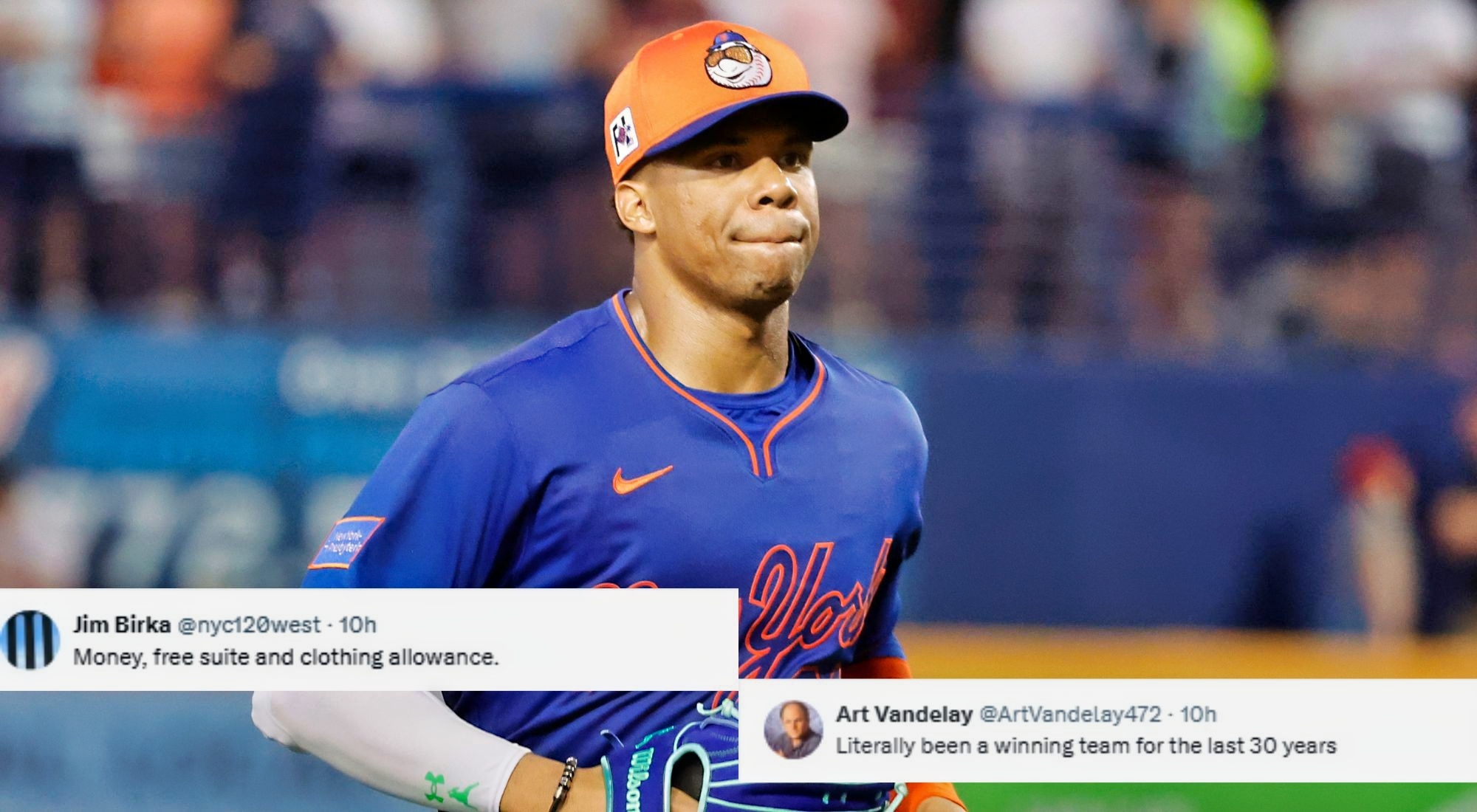
In the ever-dynamic landscape of Major League Baseball, player acquisitions and team changes often become the epicenter of fan discussions and media frenzy. Recently, the decision of Juan Soto, one of the sport’s brightest young talents, to decline an overture from the New York Yankees has sparked both intrigue and speculation. This move, far from being a mere transactional footnote, underscores a multitude of factors influencing player agency, organizational culture, and the evolving ethos of the game. Understanding the real reasons behind Juan Soto’s decision provides a fascinating lens into contemporary baseball dynamics and the intricate calculus top athletes perform when mapping their professional journeys.
Juan Soto’s Rising Stardom and Market Value
Juan Soto’s rapid ascent to baseball stardom is marked by prodigious talent and consistent performance at the plate. As one of the most formidable hitters in the league, his value extends beyond traditional metrics. Teams covet his combination of plate discipline, power, and poise under pressure. The Yankees recognizing his potential align with their longstanding ethos of acquiring marquee talents to bolster their competitive edge. However, market value in modern MLB transcends mere salary figures. It incorporates considerations about role clarity, long-term vision, clubhouse environment, and the alignment of player and organizational goals.
For Soto, the negotiation was not just about money or market prestige. It was about identifying an ecosystem where his talents could flourish unrestrained. Players today wield greater autonomy, leveraging their agency to find environments conducive to both personal growth and professional fulfillment. Soto’s decision to say “no” to the Yankees reflects this broader shift, emphasizing holistic fit over instant glamor.
The Role of Organizational Culture and Team Dynamics
The organizational culture in Major League Baseball teams profoundly impacts player satisfaction and performance. The New York Yankees, with their rich history and immense fan expectations, represent both opportunity and pressure. For some players, this intense spotlight galvanizes performance; for others, it can become a source of stress and stagnation.
Juan Soto’s hesitance toward the Yankees reportedly stems from a keen understanding of how clubhouse dynamics and team culture influence daily life and on-field production. He seeks a setting where collaboration, innovation, and mutual respect are foundational rather than aspirational. Reports suggest that Soto evaluated the Yankees’ internal environment and concluded that it might not offer the collaborative freedom he desires at this juncture in his career.
Furthermore, the adaptability of a team’s strategic philosophy plays a role. Soto is known for his intellectual approach to the game, valuing analytical insights and progressive coaching methods. If a team’s approach feels archaic or rigid, it could stifle his capacity to optimize performance. The Yankees, despite their storied success, may not have signaled the progressive approach Soto prioritizes.
Strategic Career Considerations Beyond Contracts
MLB careers, while lucrative, are also precarious and condensed. Players like Juan Soto must strategize not only for immediate financial gain but also for legacy-building and long-term career sustainability. This involves assessing potential for postseason success, player development infrastructure, and market pressures.
While the Yankees are perennial contenders, the evolving competitive landscape means that a single franchise’s allure is no longer unequivocal. Teams that demonstrate a clear trajectory toward sustained success, robust player development, and an innovative front office often attract players seeking a holistic growth platform. Soto’s rejection potentially signals a preference for an organization whose vision dovetails neatly with his aspirations for championship contention paired with personal mastery and development.
The decision thus embodies a broader narrative in professional sports where athletes increasingly become architects of their trajectories, guided by comprehensive evaluations rather than headline-grabbing offers. This shift challenges teams to refine their approach to recruitment, emphasizing culture and vision as much as financial packages.
Fan Perception and Media Narrative
Fan reactions and media narratives surrounding elite players’ decisions can often simplify complex choices into digestible, but reductive stories. Juan Soto declining the Yankees’ interest sparked a wave of commentary, with some factions expressing frustration or disbelief. This often reflects traditional loyalties and a limited understanding of a player’s multidimensional considerations.
The stark contrast between fan expectations and player realities highlights an important dynamic in sports culture. Fans may prioritize team allegiance and championship pedigree, whereas players weigh myriad factors including mental health, family considerations, and long-term career sustainability. Recognizing this divergence is crucial for a nuanced understanding of modern player decisions.
Moreover, media portrayal can sometimes amplify simplistic narratives that align with controversy or sensationalism. The true substance behind Soto’s choice is a sophisticated tapestry of professional and personal factors that command a deeper appreciation beyond surface-level reactions.
Implications for MLB’s Future Player Movement Landscape
Juan Soto’s decision bears significant implications for how player movement and negotiations will evolve in MLB. His move marks an emblematic moment reflecting the modern athlete’s assertiveness in controlling their destinies. Organizations must now contend with these elevated expectations, which demand transparency, cultural compatibility, and innovation.
The ripple effects influence scouting, contract structuring, and player relations. Teams will invest increasingly in cultivating environments that attract top-tier talents on philosophical and developmental grounds rather than relying solely on financial enticements. Soto’s “no” to the Yankees exemplifies a paradigm shift, encouraging franchises to rethink traditional playbooks surrounding player acquisition and retention.
In this emergent era, the balance of power subtly shifts from franchises to players, fostering a more fluid and dynamic transactional ecosystem. This progression promises to enrich the competitive fabric of the league by prompting creative, human-centered approaches to roster building and talent management.
Conclusion: Beyond the Headlines
The true story behind Juan Soto’s decision to reject the Yankees extends well beyond the surface controversy. It reveals an intricate interplay of market valuation, cultural fit, strategic career planning, and the evolving agency of modern athletes. This choice underscores how the contemporary MLB player navigates a complex ecosystem where legacy, personal growth, and professional environment are paramount.
As the league continues to evolve, decisions like Soto’s will become increasingly instructive. They provide valuable insights into the future of baseball—a sport balancing tradition with innovation and competition with individuality. Understanding these nuanced motivations enriches our appreciation of the game and those who dedicate their lives to excelling within it.



![My Leaguemate Just Dropped [STAR NAME]. Collusion?](https://zellspinstripeblog.com/wp-content/uploads/2026/04/0kilnqte7uu91.jpg)