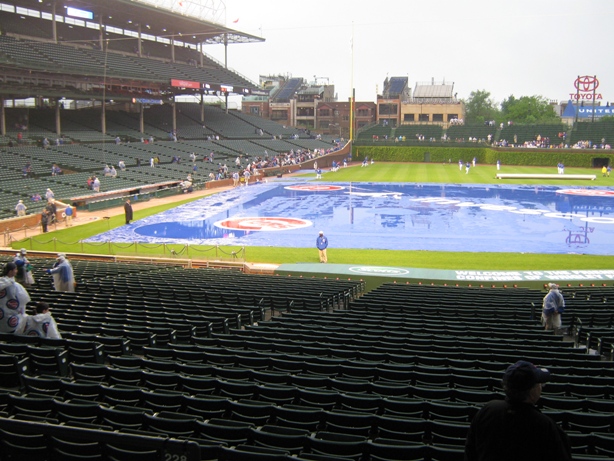
The sun hangs low over Wrigley Field, casting long shadows across the ivy-clad outfield walls. It’s not the rain that brings the game to a halt today—it’s the sun itself, a celestial force that bends the rules of baseball as we know them. Players squint, umpires adjust their caps, and fans shield their eyes, all while the game’s rhythm falters under the weight of an unrelenting glare. This isn’t just a pause; it’s a cosmic interruption, a reminder that even in the most meticulously planned sporting events, nature still holds the final say. The sun delay at Wrigley isn’t merely an inconvenience—it’s a spectacle, a fleeting moment where the game’s human drama collides with the indifferent grandeur of the sky.
The Sun’s Unyielding Gaze: A Baseball Paradox
Baseball is a game of precision, where every pitch, swing, and catch is measured in fractions of a second. Yet, when the sun descends into the perfect position to blind outfielders, it exposes a glaring flaw in the sport’s design. Wrigley Field, with its iconic east-west alignment, is particularly susceptible to these solar ambushes. The sun doesn’t just rise or set—it strikes, blinding players in the late innings when the game’s tension is thickest. It’s a cruel irony: the same light that bathes the field in golden hues before a game becomes a weapon mid-play, turning a routine fly ball into a potential disaster. This isn’t just a logistical headache; it’s a metaphor for how even the most controlled environments can be upended by forces beyond human control.
The sun delay isn’t just about visibility. It’s about the psychological toll of uncertainty. Players stand in the batter’s box, waiting for the sun to relent, their muscles coiled with anticipation. The delay stretches time, turning what should be a split-second decision into an eternity of doubt. Will the glare return? Will the next pitch be lost in the light? The sun becomes an unseen opponent, one that doesn’t play by the rules of the game. And yet, there’s a strange fascination in watching how players adapt—shifting their stances, squinting harder, or even resorting to the time-honored tradition of spitting tobacco into their hands to reduce the glare. It’s a reminder that baseball, for all its analytics and strategy, is still a game played by humans, vulnerable to the whims of the natural world.
The Architecture of Discomfort: Why Wrigley is a Sun Delay Magnet
Wrigley Field’s layout is a relic of a bygone era, a time when baseball was as much about the spectacle of the game as the game itself. The ballpark’s orientation, with home plate facing east-northeast, was a deliberate choice in 1914, long before the sun’s tyranny over outfielders was fully understood. The ivy-covered walls, the hand-turned scoreboard, the manual pitch count—these are charming anachronisms that make Wrigley feel like a living museum. But they also make it a sun delay hotspot. The problem isn’t just the direction of the field; it’s the lack of modern mitigations. Unlike newer stadiums, which incorporate retractable roofs or adjustable lighting, Wrigley remains stubbornly tied to its original design. The sun doesn’t just delay the game here—it becomes a character in the story, a silent antagonist that forces players and fans alike to confront the fragility of their own plans.
This architectural stubbornness isn’t just a quirk; it’s a cultural artifact. Wrigley Field is more than a ballpark—it’s a shrine to baseball’s past, a place where the game’s history is etched into every brick and beam. The sun delay, then, isn’t just an inconvenience; it’s a reminder of the tension between tradition and progress. Do we modernize Wrigley, risking the loss of its soul, or do we accept the sun delays as part of the price of authenticity? The answer isn’t simple, but the question itself reveals something deeper about baseball’s relationship with its own history. The sun delay isn’t just a logistical issue—it’s a philosophical one, forcing us to ask what we’re willing to sacrifice for the sake of preserving the game’s soul.
The Human Element: Players, Fans, and the Sun’s Cruel Trick
For the players, the sun delay is a test of patience and adaptability. A batter might adjust his stance, a fielder might reposition himself, but the sun remains indifferent. It doesn’t care about the game’s stakes or the players’ reputations. This indifference is what makes the sun delay so uniquely unsettling. It’s not a rival team, a bad call, or a slump—it’s an external force, one that doesn’t play by the rules of competition. And yet, the players must adapt. They can’t argue with the sun, can’t demand a replay. They can only wait, adjust, and hope that when the game resumes, they’re still in the zone.
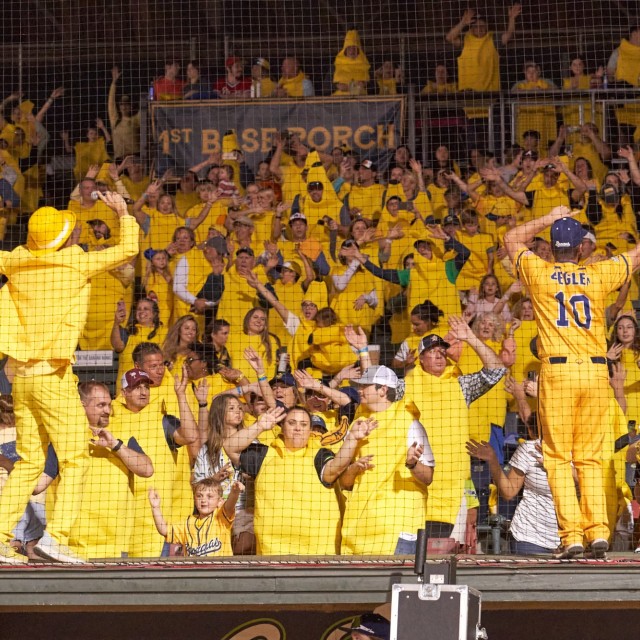
The fans, too, are caught in the sun’s web. They’ve paid for tickets, planned their day around the game, and now they’re forced to squint at the field, their sunglasses doing little to shield them from the glare. The delay turns the ballpark into a makeshift sunbathing session, where the only thing more uncomfortable than the heat is the anticipation of the game’s return. And yet, there’s a strange camaraderie in these moments. Strangers commiserate over the sun’s audacity, sharing tips on how to position their hats or where to sit to avoid the worst of the glare. The sun delay becomes a shared experience, a reminder that even in the most individual of sports, baseball is ultimately a communal affair.
For the umpires, the sun delay is a test of authority. They must decide when the conditions are safe enough to resume play, balancing the players’ need to compete with the inherent risks of playing in blinding light. It’s a thankless job, one that requires a blend of judgment and diplomacy. Do they err on the side of caution, delaying the game further, or do they risk resuming play and potentially compromising safety? The sun delay forces umpires to make these calls in real time, with no clear playbook to guide them. It’s a reminder that even in a sport governed by rules, there are moments when human judgment must take precedence over rigid structure.
The Deeper Fascination: Why We Can’t Look Away
There’s something hypnotic about a sun delay at Wrigley Field. It’s not just the inconvenience; it’s the way it forces us to confront the unpredictable nature of the game. Baseball is often sold as a game of control—pitching matchups, defensive shifts, statistical models—but the sun delay shatters that illusion. It’s a reminder that no matter how much we plan, no matter how many variables we account for, there will always be forces beyond our control. And yet, we can’t look away. There’s a perverse fascination in watching how the game adapts, how players and fans alike find ways to endure the wait. It’s a microcosm of life itself: a moment of uncertainty that forces us to improvise, to find meaning in the chaos.
The sun delay also taps into something primal. The sun is life-giving, but it’s also a force of destruction. It can blind, burn, and disrupt. In that sense, the sun delay at Wrigley Field is more than a logistical hiccup—it’s a metaphor for the fragility of human endeavors. Baseball, with all its precision and tradition, is still subject to the whims of the natural world. The sun delay forces us to confront that fragility, to accept that even the most carefully constructed plans can be undone by something as simple as a setting sun. And yet, there’s a strange beauty in that acceptance. The game doesn’t stop; it pauses, adjusts, and eventually resumes. The sun delay isn’t the end of the story—it’s just another chapter, one that reminds us that baseball, like life, is about adapting to the unexpected.
Perhaps that’s why we’re so fascinated by these moments. They’re a reminder that even in a world of analytics and automation, there’s still room for the unpredictable. The sun delay at Wrigley Field isn’t just a delay—it’s a spectacle, a fleeting glimpse into the raw, unfiltered reality of the game. And in that reality, there’s a kind of magic, a reminder that baseball isn’t just a sport. It’s a story, one that’s still being written, one sun delay at a time.