Ever stood behind the plate, glove outstretched, heart pounding as a 95-mph fastball hurtles toward you, and wondered: Is my gear really up to the task? Catching is the backbone of baseball—yet it’s also one of the most physically demanding positions on the diamond. The right equipment doesn’t just protect; it transforms hesitation into confidence, doubt into dominance. Whether you’re a weekend warrior or a seasoned pro, the All-Star Catcher’s Gear Guide is your playbook to assembling a kit that’s as unyielding as your resolve and as agile as your reflexes. But here’s the catch: not all gear is created equal. The wrong mitt can muffle your throws. A flimsy chest protector might leave you second-guessing every pitch. And a poorly fitted helmet? That’s a recipe for distraction. So, how do you separate the champions from the chumps when it comes to catcher’s gear? Let’s dive in.
The Foundation: Why Your Catcher’s Mitt is Your Second Brain
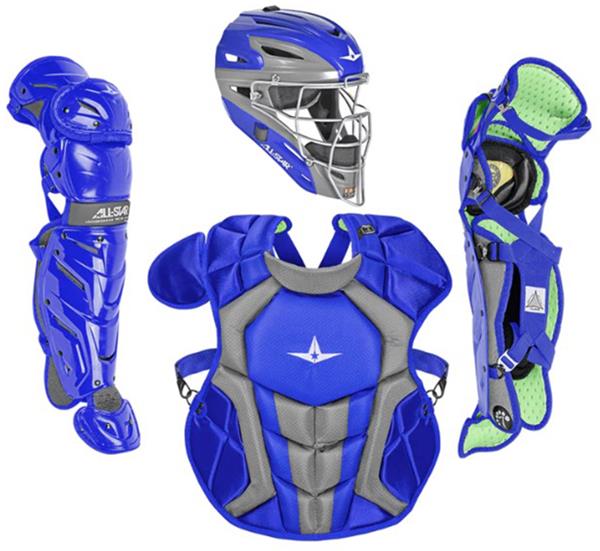
A catcher’s mitt isn’t just leather and padding—it’s an extension of your instincts. The All-Star S7 Axis Professional Catcher’s Kit, for instance, isn’t merely a glove; it’s a fortress of responsiveness, engineered to cradle fastballs with surgical precision. The key lies in its pro-grade palm reinforcement and pre-curved finger slots, which mimic the natural arc of your hand when you’re blocking a wild pitch or framing a borderline strike. But here’s the wrinkle: a mitt’s break-in period can feel like waiting for paint to dry. Many players ruin their glove’s potential by rushing the process. Skip the microwave tricks and the shoe polish hacks. Instead, work it in with purpose—play catch daily, knead the leather with conditioner, and let the mitt mold to your hand like clay to a potter’s fingers. The reward? A glove that feels less like equipment and more like a second heartbeat.
Chest Protectors and Leg Guards: The Armor of Unshakable Focus
Imagine donning a suit of armor that weighs less than a bag of sugar. That’s the paradox of modern chest protectors and leg guards. The best ones—like those in the S7 Axis kit—balance impact dispersion with breathable ventilation, ensuring you stay cool under pressure without sacrificing protection. The challenge? Finding a fit that doesn’t restrict your movement when you’re scrambling to backpick a runner or dive for a low slider. Look for adjustable straps and articulated knee designs that allow for a full squat without pinching. And don’t overlook the sternum pad—a seemingly minor detail that can turn a bruising fastball into a mere thud. Pro tip: Test your gear while simulating game scenarios. If your chest protector rides up when you’re in your catching stance, it’s time to size up or adjust the harness.
Helmets and Masks: The Unsung Heroes of Plate Discipline
A catcher’s helmet isn’t just a piece of plastic—it’s your first line of defense against a 100-mph projectile. The modern dual-guard system, featuring a rigid cage and a padded interior, is a marvel of engineering. But comfort is king. A mask that digs into your forehead or fogs up mid-inning is a silent saboteur. The S7 Axis kit addresses this with moisture-wicking padding and a low-profile design that keeps your vision unobstructed. Still, the real test comes when you’re in the heat of battle. Does the helmet shift when you turn your head? Does the chin strap chafe after an hour? These aren’t trivial concerns—they’re the difference between a laser-focused catcher and one whose mind is half on the game and half on their gear. Prioritize adjustability and weight distribution. Your neck will thank you.
Throat and Shin Guards: The Overlooked Guardians
In the hierarchy of catcher’s gear, throat and shin protectors often play second fiddle to the chest and helmet. Yet, they’re the unsung sentinels that shield your most vulnerable spots. A throat guard with a contoured design can deflect a foul tip without jabbing your Adam’s apple, while a shin guard with reinforced plastic and adjustable straps prevents bruises that could haunt you for weeks. The catch? Many players underestimate how much these pieces move during a game. A loose throat guard can rattle with every pitch, and a shin guard that slips mid-block might leave your knee exposed. The solution? Opt for models with quick-release buckles and ergonomic contours that stay put. Remember, the best protection is the kind you forget you’re wearing.
Catcher’s Bags: The Tactical Command Center
Your gear bag isn’t just a storage unit—it’s a mobile locker room, a command post, a sanctuary. The ideal catcher’s bag is a study in organization, with dedicated compartments for your mitt, helmet, chest protector, and even your dirty cleats. Look for features like ventilated shoe pockets to keep your spikes fresh and external water bottle holders for hydration on the fly. But here’s the twist: a bag that’s too bulky can be a liability in tight dugouts or crowded clubhouses. The S7 Axis kit’s included bag strikes a balance—spacious enough to hold everything you need, yet streamlined enough to maneuver through a sea of players and equipment. Pro tip: Pack a small towel and a can of leather conditioner in your bag. You’ll thank yourself after a game in the rain or a mid-season slump where your mitt feels like sandpaper.
Breaking In Your Gear: The Art of Patience and Precision
Rushing the break-in process is the fastest way to sabotage your gear’s performance. Leather, no matter how high-quality, needs time to soften and conform to your hand. Start by rubbing in a neutral-pH conditioner to hydrate the fibers, then work the glove with a mallet or ball to loosen the pocket. Store it in a cool, dry place—never in direct sunlight or a damp basement. The goal isn’t just to soften the leather; it’s to create a pocket that feels like it was custom-molded for your throws. And don’t forget your helmet and chest protector. Check the padding for wear and tear, and replace any worn-out straps or buckles before they fail mid-game. The difference between gear that’s game-ready and gear that’s game-changing often comes down to these small, deliberate steps.
Budget vs. Premium: Where to Splurge and Where to Save
Not every piece of gear demands a premium price tag. A high-end helmet won’t make you a better receiver, but a well-fitted, breathable chest protector will keep you in the game longer. Prioritize investments where protection and comfort intersect: your mitt, helmet, and chest protector. For items like shin guards or throat protectors, mid-range options often suffice. The real savings come in accessories—extra laces for your glove, replacement chin straps, or a secondary bag for travel. The S7 Axis kit, for example, bundles essentials without forcing you to compromise on quality. The key is to test before you buy. If possible, try gear on in-store or borrow from teammates to see what works for your body and playing style. The right gear should feel like an extension of yourself—not a burden.
The Final Inning: Gear That Elevates Your Game
At the end of the day, the best catcher’s gear isn’t about brand names or price tags—it’s about fit, function, and feel. The right equipment should disappear into the background, leaving you free to focus on the game. Whether you’re blocking a 100-mph fastball or firing a laser to second base, your gear should be an ally, not an afterthought. So, before you step behind the plate next season, ask yourself: Does my gear inspire confidence, or does it demand my attention? The answer could be the difference between a season of frustration and one of flawless execution. Choose wisely.