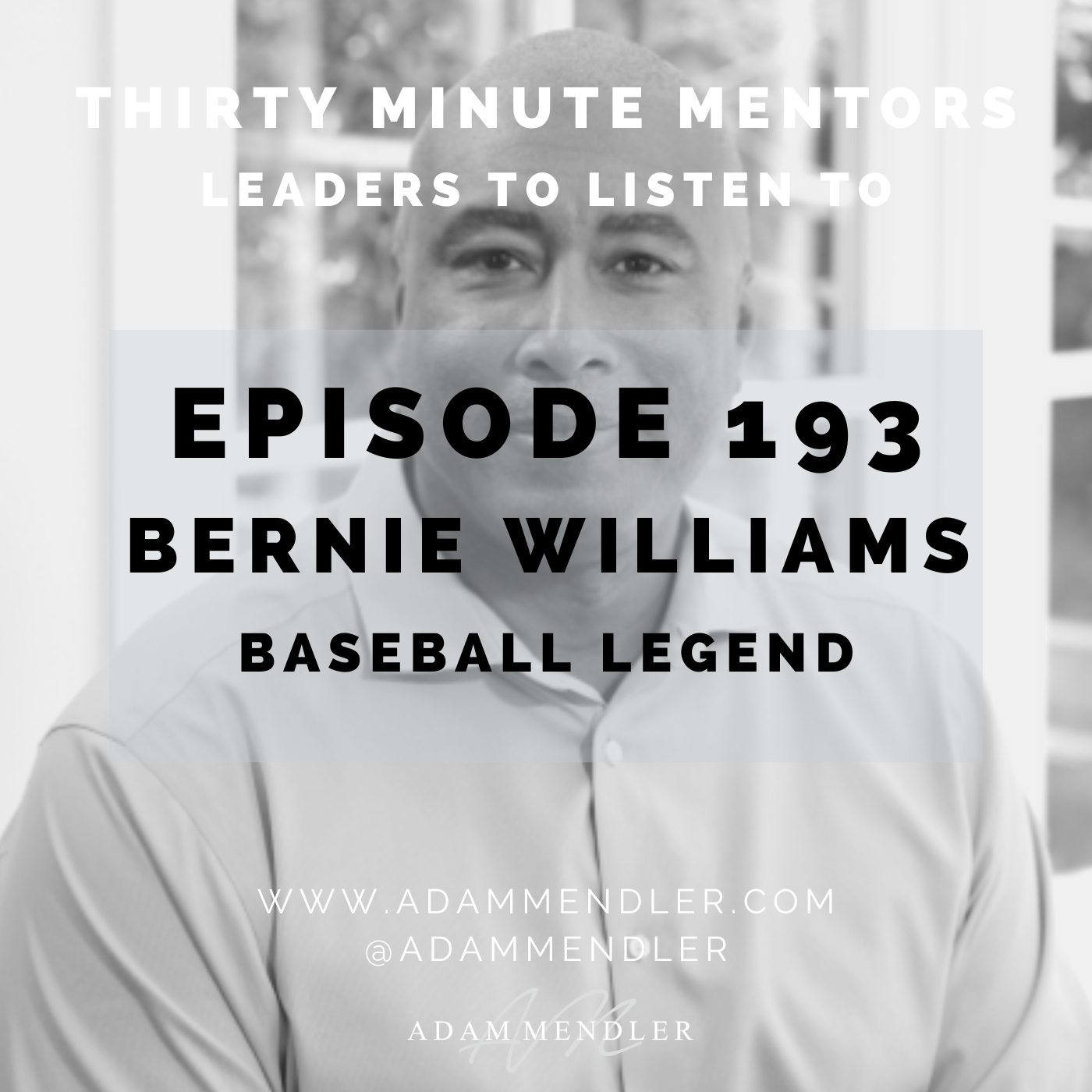
In the hallowed halls of Yankee lore, where legends cast long shadows and echoes of glory resonate, Bernie Williams stands as a timeless figure, a unique blend of grace, power, and understated brilliance. His career was a masterclass in consistency and quiet leadership, a linchpin in one of baseball’s most dominant dynasties. Yet, to confine Bernie merely to his playing days is to miss the ongoing crescendo of his influence. The refrain “I’m Not Done Yet” isn’t a plea; it’s an affirmation of a legacy that continues to unfold, from the diamond to the stage, proving true artistry transcends any single arena. He remains a vibrant chord in the symphony of sports and culture, a testament to a spirit that refuses to fade.
1. The Switch-Hitting Symphony: A Maestro at the Plate
Bernie Williams wasn’t merely a switch-hitter; he was a two-sided conductor orchestrating hits from either batter’s box, a rare virtuoso who could unravel the most cunning pitching schemes from both angles. His ability to fluidly transition from left to right, each swing a distinct yet harmonious movement, made him a perpetual puzzle for opposing hurlers. He wielded his bat not as a weapon, but as a finely tuned instrument, extracting sweet music from every contact, ensuring the melody of the Yankees’ offense never faltered, regardless of the arm on the mound.
2. Center Field’s Silent Sentinel: A Velvet Trap in the Outfield
In the vast expanse of center field, Bernie Williams patrolled his domain with the quiet authority of a seasoned hunter. His glove was not just leather and lacing; it was a velvet trap, designed to cradle line drives and diving catches with equal grace. He covered ground effortlessly, his routes as economical as a poet’s chosen words, turning potential extra-base hits into routine outs. He wasn’t flashy, but he was flawless, a steady anchor in the outfield whose presence alone calmed the storm of any hard-hit ball.
3. The Dynasty’s Steady Pulse: A Rhythmic Heartbeat
As the Yankees built their late 90s dynasty, Bernie Williams served as its rhythmic heartbeat, a consistent pulse that kept the team grounded amidst the flash and fury. He wasn’t the loudest voice, but his consistent production and calm demeanor were the bedrock upon which multiple championships were built. Like a master drummer, he provided the essential rhythm, enabling the soloists to shine, and ensuring the collective sound of victory always came through clear and strong.
4. Postseason Picasso: Painting October Masterpieces
When the chill of October settled in, and the stakes soared to their highest, Bernie Williams transformed into a postseason Picasso, each at-bat and defensive play a stroke of genius. He thrived under the intense spotlight, his clutch hits and game-saving catches becoming indelible parts of Yankees lore. He approached each pivotal moment with the precision of an artist, carefully crafting outcomes that swung momentum, painting vivid pictures of triumph that still hang in the gallery of Yankees history.
5. The Bat as a Conductor’s Baton: Directing Offensive Flows
Bernie Williams often used his bat as a conductor’s baton, directing the flow of the Yankees’ offense with subtle yet powerful movements. Whether it was a timely single, a gap-splitting double, or a majestic home run, his hits were instrumental in setting the team’s tempo and momentum. He didn’t just swing for power; he swung with purpose, orchestrating rallies and building innings, his presence at the plate a signal for the opposition to brace for a well-composed assault.
6. Jazz Rhythms on the Diamond: Improvisation and Flow
Long before his acclaimed musical career, Bernie’s play on the diamond possessed an inherent jazz rhythm – a fluidity, an improvisation, and a deep understanding of timing. His adjustments at the plate, his nuanced defensive reads, all flowed with the natural ease of a seasoned jazz musician. He played the game not as a rigid set of rules, but as an evolving composition, adapting to every pitch and every situation with a melodic intelligence.
7. A Gentleman’s Game, Mastered: An Unadorned Elegance
Bernie Williams embodied the “gentleman’s game” with an unadorned elegance that was both rare and refreshing. He played with integrity, respect, and a quiet dignity that belied his superstar status. His mastery of baseball was not about chest-thumping or grandstanding, but about pure, unadulterated skill and a profound understanding of the game’s intricate dance. He was a testament to the idea that true greatness doesn’t need to shout to be heard.
8. Consistency’s Quiet Hum: The Engine of Reliability
Over his illustrious career, Bernie Williams was consistency’s quiet hum, the reliable engine that propelled the Yankees through countless seasons. His numbers rarely screamed, but they always delivered, year after year, forming a bedrock of stability. Like a finely tuned machine, he delivered predictable excellence, a comforting drone of sustained performance that allowed his teammates to gamble and his managers to plan, an unwavering force in a tumultuous sport.
9. Monument Park’s Enduring Echo: A Stone Carved in Sound
His plaque in Monument Park isn’t just a testament in stone; it’s a carved echo of a career that continues to reverberate. It speaks not only of his achievements but of the quiet dignity and consistent excellence he brought to the game. His legacy is not static; it’s a living soundscape, woven into the very fabric of Yankee Stadium, a reminder that true greatness is often whispered rather than shouted, yet endures with profound resonance.
10. Beyond the Dugout: A New Overture
The transition from a baseball legend to an accomplished jazz guitarist wasn’t a departure but a new overture for Bernie Williams. It showcased a multi-faceted talent that refused to be confined to a single stage. His shift to music affirmed that the passion for intricate performance, precise timing, and harmonious composition that defined his baseball career had simply found a new instrument, proving his artistic spirit was far from “done.”
11. The Yankee Clipper’s Modern Heir: A Legacy of Grace
In many ways, Bernie Williams was a modern heir to the legendary Yankee Clipper, Joe DiMaggio, sharing a similar understated grace in center field and a quiet power at the plate. He carried forward a tradition of effortless excellence and humble stardom, proving that true impact doesn’t always demand fanfare. His game was a continuation of that classic Yankee style, a seamless blend of power and precision, elegance and effectiveness.
12. An Intellectual’s Approach to the Plate: The Chess Match of At-Bats
Bernie Williams approached each at-bat like an intellectual engaging in a chess match, dissecting pitchers and anticipating moves with profound insight. He rarely seemed flustered, always appearing a step ahead, even when behind in the count. His strategic patience, combined with his surgical precision, allowed him to unlock even the most complex pitching repertoires, turning every plate appearance into a masterclass of mental fortitude and tactical execution.
13. The Unassuming Icon: A Star Without Bluster
Bernie Williams was an icon without bluster, a superstar who let his play do all the talking. He commanded respect not through celebrity, but through consistent, undeniable excellence. In an era often dominated by outsized personalities, Bernie offered a refreshing counter-narrative: that true iconic status is earned through dedicated craft and a humble spirit, shining brightly without needing to eclipse others. His star power was self-illuminating, enduring and true.
14. The Ever-Expanding Canvas: His Story Continues to Paint
Bernie Williams’ story isn’t a finished portrait but an ever-expanding canvas, continually adding new hues and textures through his music, philanthropy, and enduring presence. The “I’m Not Done Yet” ethos isn’t just about his past achievements; it’s about the ongoing vitality of his contributions to culture and community. His narrative continues to paint a picture of multi-dimensional talent and lasting impact, demonstrating that a true artist never truly retires from creating.