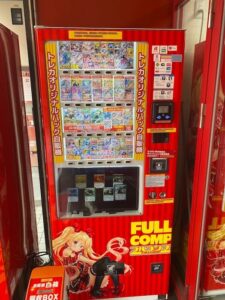
In the land where tradition meets innovation, Japan’s vending machines transcend their conventional roles as mere dispensers of sodas and snacks. Among their most captivating offerings are baseball cards—collectible treasures tucked away in gleaming capsules, waiting to be plucked by eager hands. For enthusiasts of America’s pastime, these machines represent more than convenience; they are portals to a world where nostalgia, rarity, and serendipity collide. Whether you’re a seasoned MLB collector, a casual fan, or a curious traveler, the allure of baseball card vending machines in Japan promises an experience as rich in discovery as it is in delight.
The Allure of Randomized Serendipity: How Vending Machines Work
Unlike the meticulous selection process of online marketplaces or hobby shops, Japanese baseball card vending machines operate on the principle of *omiyage*—the art of surprise. Each machine houses a rotating inventory of sealed packs, often themed around specific teams, players, or seasons. Insert a coin, press a button, and a capsule clatters into the tray, its contents shrouded in mystery. The thrill lies in the unpredictability; one moment you might unearth a common rookie card, the next a limited-edition autograph relic. Some machines even feature *gachapon* (capsule toy) mechanics, where the packaging itself becomes a collectible. The tactile satisfaction of the transaction—hearing the coin drop, feeling the weight of the capsule, peeling back the foil—transforms a simple purchase into a ritual.
From Common Commons to Grails: The Spectrum of Card Rarity
The inventory within these machines spans the entire gamut of baseball card rarity, catering to every tier of collector. At the base level, you’ll find *common* cards—mass-produced duplicates of everyday players, often bundled in sets. These serve as the foundation for beginners or those seeking filler for albums. Moving up, *inserts* introduce a dash of intrigue: parallel versions of base cards, distinguished by unique borders, holographic foils, or team logos. The real magic begins with *autographs* and *memorabilia cards*, where the ink of a player’s signature or a swatch of game-used jersey elevates a card from mere paper to a piece of history. At the apex of the pyramid lie *one-of-one* cards—ultra-rare, often hand-numbered treasures that command premium prices in the secondary market. Some machines even house *chase cards*, elusive inserts hidden within packs, their scarcity fueled by deliberate scarcity.
Team-Specific Showcases: Regional Flavors of MLB Cards
Japan’s baseball card vending machines don’t just offer generic MLB fare; they curate experiences tailored to regional fandom. Machines near Tokyo’s historic baseball stadiums might stock an abundance of Tokyo Yakult Swallows or Yomiuri Giants cards, while Osaka-based machines could skew toward the Hanshin Tigers. This localization extends to *team-specific parallels*, where cards mimic the aesthetic of a club’s uniforms or stadiums. For instance, a machine in Hiroshima might feature cards with the Carp’s signature red and white color scheme, while a Fukuoka-based unit could spotlight the SoftBank Hawks’ dynamic action shots. These regional touches add a layer of authenticity, allowing collectors to connect with their favorite teams on a deeper level. It’s a subtle nod to Japan’s deep-rooted baseball culture, where local pride and national passion intertwine.
The Art of the Chase: Strategies for Maximizing Your Haul
For the uninitiated, the vending machine approach can feel like a gamble, but seasoned collectors have honed strategies to tilt the odds in their favor. One popular tactic is *machine hopping*—visiting multiple locations to compare inventories, as stock rotates frequently. Some enthusiasts target machines near *kissaten* (old-school coffee shops) or *izakaya* (Japanese pubs), where owners may stock higher-tier cards to attract clientele. Timing plays a role too; machines refilled after major events like the MLB All-Star Game or postseason often feature fresh, high-demand cards. Another trick is to observe the *dispenser’s rhythm*—some machines release rarer cards during off-peak hours, when staff are less likely to restock. And then there’s the psychological game: setting a budget before inserting the first coin prevents the dreaded *slot machine syndrome*, where the thrill of the chase overshadows fiscal prudence.
Beyond the Cards: Ancillary Collectibles and Gachapon Finds
The treasure hunt doesn’t end with the cards themselves. Many machines dispense *bonus ephemera*—stickers, pins, or mini posters—often themed to match the card sets. These small but delightful extras can become cherished mementos, especially when they feature iconic Japanese baseball landmarks or retro designs. Some vending units even offer *gachapon-style* baseball card capsules, where the packaging is a miniature diorama of a stadium or a player’s action pose. These aren’t just containers; they’re miniature art pieces, blending collectible culture with Japan’s signature *kawaii* (cute) aesthetic. For younger collectors or those seeking non-card items, machines stocked with *trading card game* singles (like Pokémon or *Baseball Heroes*) provide an alternative avenue for exploration.
The Secondary Market: When Vending Machines Meet eBay
While the thrill of the vending machine is unparalleled, the secondary market offers a safety net for those seeking specific cards. Platforms like eBay, Mercari, and Yahoo! Auctions Japan serve as digital repositories for vending machine hauls, where collectors buy, sell, and trade their finds. Prices fluctuate based on rarity, demand, and the card’s condition—*gem mint* specimens command premiums, while *near mint* copies linger at lower tiers. Some sellers even offer *vending machine challenge* bundles, where they’ve emptied machines and resell the contents in curated lots. For international buyers, shipping logistics can be a hurdle, but services like Tenso or Buyee simplify the process, acting as personal shoppers who consolidate purchases and handle customs. The secondary market ensures that even the most elusive cards—those that slipped through fingers in a Tokyo vending machine—can find a home.
Cultural Crossroads: Baseball Cards as Cultural Ambassadors
Beyond their role as collectibles, baseball cards from Japanese vending machines serve as cultural ambassadors, bridging the gap between two nations’ baseball traditions. For American collectors, these cards offer a glimpse into Japan’s unique take on the sport—where players like Shohei Ohtani transcend mere athleticism to become national icons. The designs often reflect Japanese artistic sensibilities, with vibrant colors, intricate detailing, and a penchant for *kawaii* or *bishōnen* (beautiful boy) aesthetics in player depictions. Conversely, Japanese collectors may find themselves drawn to vintage MLB cards featuring legends like Babe Ruth or Jackie Robinson, their designs harkening back to a bygone era of American baseball. In this exchange, the cards become more than objects; they’re artifacts of shared passion, each one a story waiting to be told.
Preservation and Presentation: Caring for Your Vending Machine Finds
Once the haul is secured, the next step is preservation. Baseball cards, especially those with autographs or memorabilia, are susceptible to damage from moisture, sunlight, or rough handling. Top-loaders and penny sleeves offer basic protection, while rigid *one-touch* holders provide superior defense against bending or creasing. For high-value cards, *screwdown* holders or acrylic display cases are ideal, though they require careful maintenance to avoid pressure damage. Collectors often categorize their cards by team, player, or set, using binders or custom display shelves to showcase their prized possessions. Some even incorporate Japanese elements into their storage, such as *washi* (traditional paper) dividers or *shoji* (sliding door) inspired display cases. The goal isn’t just to protect the cards but to elevate them into art, ensuring they remain vibrant for generations.
The Future of the Chase: Innovation and Tradition
As technology evolves, so too does the landscape of baseball card vending machines. Some modern units now feature digital screens displaying real-time inventory updates, allowing collectors to target specific cards before inserting a coin. Others incorporate *QR code* scanning, where buyers can authenticate rare finds via smartphone apps. Despite these advancements, the core appeal remains unchanged—a blend of nostalgia, chance, and tactile delight. In an era where digital transactions dominate, the vending machine stands as a relic of analog joy, a reminder that sometimes the most rewarding experiences are those we can’t predict. For now, the capsules continue to clatter, the coins drop, and the chase goes on, one gleaming baseball card at a time.