The crack of the bat, the roar of the crowd, the high-stakes dance between pitcher and hitter—baseball is a game of inches, where the finest margins separate glory from obscurity. Yet, beneath the emerald expanse of the diamond, a shadow has long loomed over the sport: the illicit use of “sticky stuff.” For years, pitchers have wielded this clandestine arsenal, a veritable alchemy of sunscreen, rosin, and other concoctions, to imbue their pitches with supernatural movement. But the honeymoon is over. The MLB’s iron-fisted crackdown is back, and the league’s hurlers are in full-blown panic mode. The gloves are off, the whispers are frantic, and the very fabric of pitching dominance is being unraveled in real time.
The Alchemy of the Mound: How Sticky Stuff Became the Pitcher’s Philosopher’s Stone
Imagine, if you will, a pitcher’s mound as an ancient laboratory, where the laws of physics bend to the whims of human ingenuity. Sticky stuff—be it the greasy sheen of sunscreen, the tacky embrace of rosin, or the sinister slickness of Spider Tack—is the modern-day philosopher’s stone. It transforms ordinary fastballs into serpentine missiles, curveballs into falling daggers, and sliders into unpredictable whispers. For over a decade, pitchers have treated this clandestine concoction like a sacred elixir, a secret sauce that could turn a journeyman into a Cy Young contender overnight.
The science is undeniable. Sticky substances increase friction between the fingers and the ball, granting pitchers an unnatural grip. A four-seam fastball, once a straight arrow, becomes a pitch that dives like a wounded seagull. A curveball, once a gentle arc, now snaps like a breaking wave. The result? Batters flail, strikeout rates soar, and ERA’s plummet. The 2020 season saw the highest strikeout rate in MLB history—a staggering 23.4%—and sticky stuff was the invisible hand behind much of it. The league, however, has finally decided that enough is enough.
The MLB’s Iron Fist: A Crackdown Born of Desperation and Data
The league’s sudden about-face wasn’t born of whimsy. It was a calculated response to a crisis of integrity. For years, MLB turned a blind eye as pitchers exploited the loopholes in its rules, but the pandemic-delayed 2020 season provided an unexpected laboratory. With no fans in the stands and the world watching from afar, the league noticed something unsettling: the strikeout revolution wasn’t just a fluke. It was a symptom of a deeper rot. Pitchers were gaining an unfair advantage, and the game’s delicate balance—where hitters and pitchers engage in a timeless duel—was tilting dangerously.
Enter the 2021 crackdown. MLB mandated stricter enforcement of Rule 6.02(c)(7), which prohibits pitchers from applying any foreign substance to the ball. Umpires were armed with sticky substance detection kits, and pitchers were subjected to random inspections. The message was clear: the wild west era of sticky stuff was over. But the league’s timing was impeccable—or was it? The crackdown arrived just as the sport was clawing its way back to normalcy, and the timing couldn’t have been worse for the pitchers who had built their careers on the stuff.
The Panic Spreads: A League of Pitchers in Full Retreat
The reaction from the pitching fraternity was immediate and visceral. Social media erupted with panic-stricken posts. Pitchers who had once relied on sticky stuff like a crutch now found themselves adrift, their once-magical pitches reduced to pedestrian offerings. The panic wasn’t just confined to the clubhouses; it spread like wildfire through the ranks, from the majors to the minors, from the veterans to the rookies. The fear was palpable: without sticky stuff, their livelihoods were at risk.
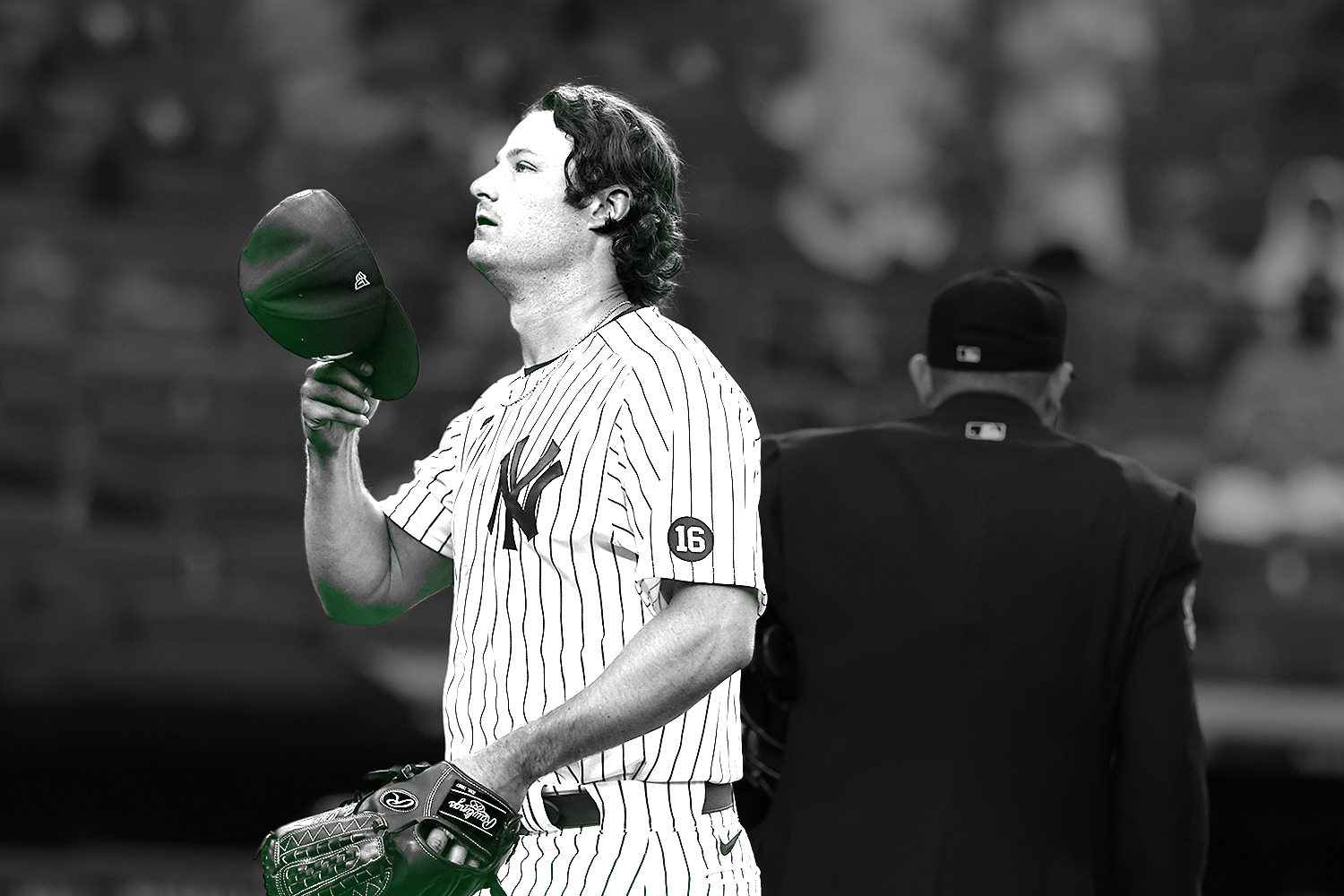
Some pitchers, like Gerrit Cole and Max Scherzer, had already distanced themselves from the practice, but others were caught flat-footed. The crackdown exposed a dirty secret: many of baseball’s most dominant pitchers were, in essence, cheating. The revelation sent shockwaves through the sport. Fans who had marveled at the sudden surge in strikeouts now questioned the legitimacy of the performances. The crackdown wasn’t just about enforcing the rules—it was about restoring faith in the game.
The Ripple Effect: How the Crackdown is Reshaping the Game
The consequences of the crackdown extend far beyond the pitcher’s mound. The league’s power balance is shifting, and the ripple effects are being felt across the diamond. Hitters, once cowering in the batter’s box, are now swinging with renewed confidence. The league-wide batting average has ticked up, and home runs—once a rarity—are becoming more common. The crackdown has, in essence, returned the game to its roots, where hitters and pitchers engage in a purer, more balanced duel.
But the changes aren’t just statistical. The crackdown has forced pitchers to rethink their entire approach. Gone are the days of relying on sticky stuff to mask mediocre stuff. Now, pitchers must cultivate their craft, refining their mechanics and developing new pitches to stay competitive. The era of the “stuff” pitcher may be over, but a new breed of hurlers is emerging—pitchers who rely on guile, deception, and sheer talent to outwit their opponents.
The Human Cost: The Pitchers Who Bet Everything on Sticky Stuff
Behind the headlines and the statistics lies a human story of struggle and redemption. For pitchers like Trevor Bauer, who openly embraced sticky stuff, the crackdown was a professional death sentence. Bauer’s career trajectory was irrevocably altered, his once-dominant arsenal reduced to a shadow of its former self. The crackdown wasn’t just about enforcing the rules—it was about dismantling careers built on deception.
Yet, for every pitcher who fell victim to the crackdown, there are others who are thriving. Pitchers like Jacob deGrom and Shane Bieber, who never relied on sticky stuff, have seen their stock rise. The crackdown has leveled the playing field, giving every pitcher a chance to compete on equal footing. The human cost of the crackdown is a reminder that baseball, at its core, is a game of skill, not subterfuge.
The Future of Pitching: A New Era of Innovation and Adaptation
The crackdown has forced pitchers to innovate, to adapt, or to fade into obscurity. The future of pitching lies in the hands of those who can reinvent themselves, who can find new ways to deceive hitters without breaking the rules. The era of sticky stuff may be over, but the era of ingenuity is just beginning.
Pitchers are experimenting with new grips, new pitches, and new training regimens. The bullpen sessions are longer, the film study is deeper, and the mental game is more crucial than ever. The crackdown has, in essence, returned the game to its purest form—a battle of wits between pitcher and hitter, where talent and preparation are the only weapons allowed.
The MLB’s crackdown on sticky stuff is more than just a rule change. It’s a reckoning, a moment of reckoning for a sport that has long turned a blind eye to cheating. The league’s iron fist has shattered the illusion of invincibility, and in its place, a new era of fairness and integrity is emerging. The pitchers may be panicking now, but the game is stronger for it.