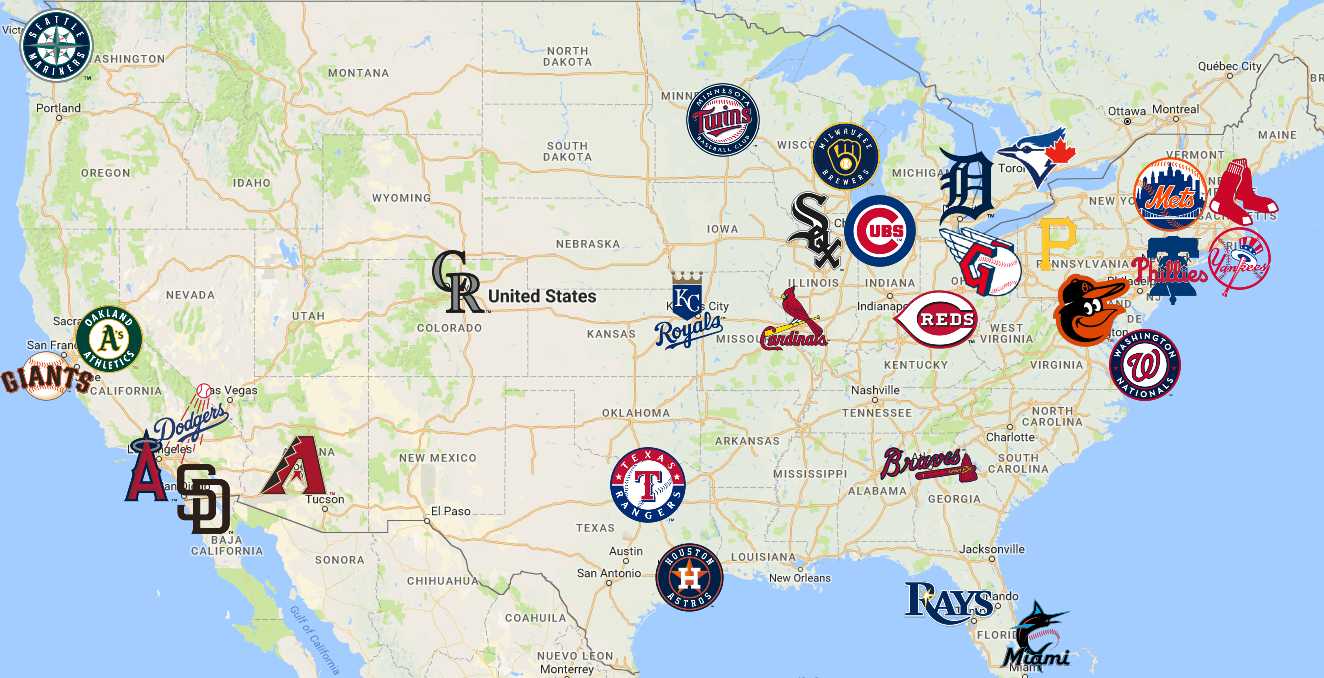
The Golden State, renowned for its burgeoning tech industry, picturesque coastline, and ever-present sunshine, also boasts a fervent passion for baseball. But a playful question bubbles to the surface: just how disparate are the home territories of California’s major league teams? The Los Angeles Dodgers, the San Francisco Giants, and the San Diego Padres represent distinct corners of this expansive state, and understanding the geographical chasm between their stadiums presents a surprisingly intricate challenge. Let’s embark on a cartographic journey to measure these distances, consider travel logistics, and explore the unique feel of each ballpark location.
Los Angeles Dodgers: A Metropolis Embrace
Dodger Stadium, a veritable architectural landmark nestled within the hills of Chavez Ravine, is embedded within the sprawling urban mosaic of Los Angeles. Its location, deliberately chosen for its sweeping views and relative seclusion, ironically places it within an enormous metropolitan area. The stadium itself is a testament to perseverance, having been built atop what was once a vibrant community before urban redevelopment took its toll. The sheer breadth of Los Angeles County complicates any simple measurement. Driving distances to Dodger Stadium can fluctuate dramatically depending on the starting point – from Santa Monica to Pasadena, the experience varies considerably. The stadium is intimately connected to the ebb and flow of LA traffic; a journey that should take fifteen minutes can easily transform into an hour during peak periods.
Oracle Park: San Francisco’s Waterfront Jewel
Oracle Park, formerly known as AT&T Park and SFO Park, occupies a profoundly symbolic location in San Francisco – directly adjacent to McCovey Cove and overlooking the picturesque waters of the San Francisco Bay. The stadium’s construction was a controversial endeavor, involving extensive waterfront reclamation and the displacement of maritime businesses. The waterfront placement imbues Oracle Park with a distinctive ambiance. The pungent scent of saltwater often mingles with the aromas of garlic fries and ballpark hotdogs, creating a visceral sensory experience. Getting to Oracle Park, however, presents a unique set of logistical quandaries. Limited parking, coupled with the density of the surrounding neighborhood, makes driving a less-than-ideal option. Public transport, primarily BART and Muni, are the usual methods for accessing the stadium, and the resulting pedestrian traffic is a characteristic feature of game days.
Petco Park: San Diego’s Downtown Nexus
Petco Park, the Padres’ home, enjoys a prime location in the heart of downtown San Diego, a deliberate choice designed to rejuvenate the surrounding area. The stadium’s proximity to the Gaslamp Quarter contributes significantly to the game-day atmosphere, drawing crowds from all over the city. Unlike Dodger Stadium’s secluded perch or Oracle Park’s waterside setting, Petco Park is integrated into the very fabric of downtown life. Its design, incorporating a Western façade that pays homage to San Diego’s history, is inherently charming and familiar. Travel considerations for Petco Park are somewhat more straightforward compared to its Northern counterparts, with ample parking garages nearby. However, traffic congestion on I-5 and I-8 can still pose a challenge, especially during peak season. Furthermore, the stadium’s compact footprint often leads to bustling crowds spilling into the surrounding streets, enhancing the downtown San Diego bustle.
Calculating the Distances: A Geographical Expedition
Now, let’s quantify these geographical differences. The straight-line distance, or “as the crow flies,” from Dodger Stadium to Oracle Park is approximately 383 miles. This figure, however, is largely theoretical, as road distances are invariably longer due to the curvature of the Earth and the necessary routes around topographical features. Driving from Dodger Stadium to Oracle Park usually takes around 6 to 7 hours, dependent on traffic and rest stops. The journey from Dodger Stadium to Petco Park is significantly shorter, averaging around 124 miles and typically taking about 2 to 3 hours. A trip from Oracle Park to Petco Park spans roughly 468 miles, with a driving duration typically between 7 to 8 hours, accounting for the substantial transverse terrain.
The Impact of Geography on Fan Experiences
The geographic dispersion of California’s baseball teams significantly influences the fan experience. For die-hard devotees, cross-state pilgrimages are a regular occurrence, facilitated by California’s relatively well-maintained highway infrastructure. However, for the more casual fan, the distances can present a barrier to spectating. Regional rivalries, though present, are somewhat diluted by the sheer distances involved, hindering the frequency of direct, in-state matchups. The different climates in these regions also subtly influence the atmosphere – the cool San Francisco fog contrasting with the relentless Southern California heat. Each stadium exudes an ambiance reflective of its distinctive locale, from the bustling urban energy of Los Angeles to the wind-swept panorama of San Francisco and the laid-back vibe of San Diego.
Road Trip Considerations: Planning Your Baseball Odyssey
Embarking on a California baseball road trip requires meticulous planning. The sheer scale of the state means that even a superficial excursion demands significant time investment. Accommodation is another significant factor; booking hotels well in advance is paramount, particularly during peak baseball season. Vehicle maintenance is equally crucial, as the miles add up quickly. Moreover, incorporating scenic diversions along the way – exploring the Mojave Desert, the Redwood National Park, or the Central Coast – can transform a simple baseball pilgrimage into a truly unforgettable Californian odyssey. Fuel efficiency and itinerary flexibility are key to ensuring a triumphant trek. Finally, be prepared for variable weather conditions, as California’s microclimates can be incredibly diverse.
The Future of California Baseball Geography
While the current geographical landscape of California baseball appears unlikely to change drastically in the foreseeable future, discussions surrounding stadium renovations and potential relocations occasionally surface. Any significant shift would undoubtedly have a profound impact on the fan base, travel patterns, and regional dynamics. For now, however, the existing arrangement perpetuates a unique aspect of the California baseball experience – a state of vast distances with vibrant baseball culture at each extremity. The challenge isn’t just about finding the shortest route; it’s about embracing the journey and savoring the distinct flavor of baseball in each corner of this golden expanse.