Baseball cards are more than just collectibles—they’re snapshots of history, art, and personal passion. Whether you’re a die-hard fan looking to immortalize your favorite player, a collector seeking a unique addition to your display, or a parent crafting a keepsake for a young slugger, creating your own baseball card is a rewarding experience. This step-by-step guide will walk you through the process, from conceptualization to final touches, ensuring your custom card reflects your style and devotion to the game.
Before diving into the creative process, it’s essential to understand the different types of baseball cards you can create. Each style serves a distinct purpose, whether for personal enjoyment, gifting, or even trading. Traditional baseball cards mimic the classic designs of the past, featuring a player’s photo, stats, and team logo. Digital cards, on the other hand, offer a modern twist, allowing for animated elements or interactive features. For those who love nostalgia, vintage-style cards with sepia tones and retro fonts can evoke the charm of yesteryears. Meanwhile, artistic interpretations push boundaries with custom illustrations, watercolor effects, or even pop-art influences. Decide early on which style resonates with you, as this will guide your choices in design, materials, and presentation.

Gathering Your Materials: Tools for Crafting a Masterpiece
The foundation of any great baseball card lies in the materials you choose. Start with high-quality cardstock or photo paper for the base—opt for a weight of at least 100 lb (270 gsm) to ensure durability. If you’re aiming for a vintage look, consider textured or linen-finish paper. For digital designs, a reliable printer with archival ink will preserve colors over time. Software like Adobe Photoshop or Canva offers templates and tools to streamline the process, while free alternatives like GIMP or Photopea provide flexibility without the cost. Don’t overlook embellishments: holographic foils, metallic markers, or even UV-resistant coatings can add a professional sheen. If you’re incorporating real photos, ensure they’re high-resolution (300 DPI or higher) to avoid pixelation. Lastly, gather scissors, a ruler, a bone folder for crisp folds, and double-sided tape or glue sticks for assembly. The right tools transform a simple project into a polished keepsake.
Designing Your Card: From Concept to Layout
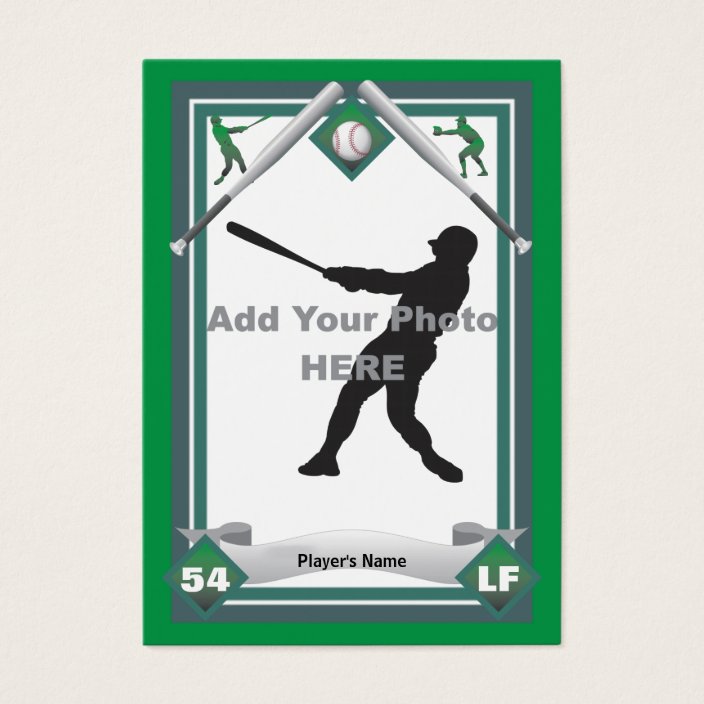
The design phase is where creativity takes center stage. Begin by selecting a focal point—typically a player’s photo or an illustration. For traditional cards, place the player’s image in a circular or rectangular frame, leaving ample white space for text. Include key details like the player’s name, team, position, and jersey number in a clean, legible font. Stats such as batting average, home runs, or ERA should be concise but informative. For a modern twist, consider adding a QR code that links to a highlight reel or player biography. Vintage-style cards benefit from muted color palettes, distressed edges, and ornate borders reminiscent of 1950s Topps designs. Artistic cards, meanwhile, thrive on bold colors and unconventional layouts—think asymmetrical designs or abstract backgrounds. Sketch your ideas on paper first to visualize proportions and balance. Tools like Canva’s baseball card templates or Trading Card Studio can simplify the process, offering pre-made layouts you can customize. Remember, the goal is to create a card that feels authentic, whether it’s a tribute to a legendary player or a whimsical creation of your own.
Adding the Finishing Touches: Texture, Color, and Personality
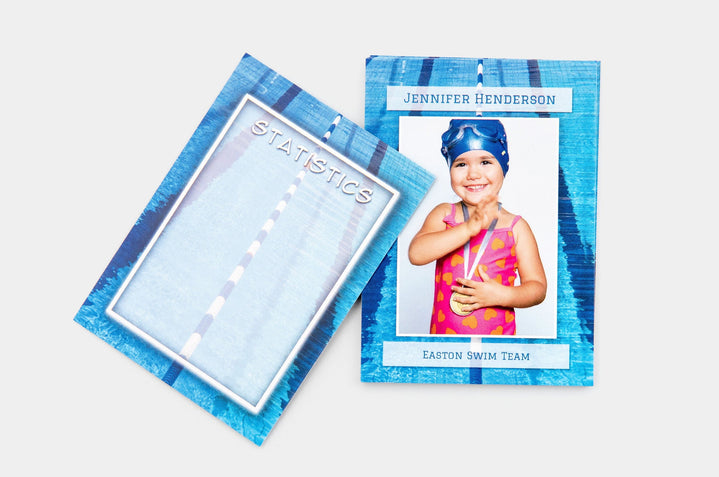
A baseball card’s allure often lies in the details. Texture plays a crucial role—sandpaper edges can mimic the worn feel of a vintage card, while glossy finishes make modern designs pop. Experiment with color schemes: team colors for authenticity, monochrome for a timeless look, or neon hues for a bold statement. Handwritten fonts can add a personal touch, especially for autographs or player quotes. If you’re feeling adventurous, incorporate mixed media like fabric patches, glitter, or even pressed flowers for a truly unique piece. For digital cards, layering effects such as drop shadows or gradients can create depth, while animated elements (like a subtle flicker of a player’s swing) bring the card to life. Don’t forget the back of the card—this is prime real estate for additional stats, a short bio, or even a handwritten note. The back can also feature a team logo, a sponsor’s advertisement, or a fun fact about the player. These small details elevate your card from a simple printout to a cherished artifact.
Preserving Your Creation: Tips for Longevity
A beautifully crafted baseball card deserves to be preserved. If you’re handling physical cards, store them in a cool, dry place away from direct sunlight to prevent fading. Use acid-free sleeves or toploader holders to protect against moisture and dust. For added security, consider placing cards in a three-ring binder with plastic page protectors. Digital cards should be saved in high-resolution formats (like PNG or TIFF) and backed up to cloud storage or an external hard drive. If you’re mailing your card, reinforce the envelope with cardboard to prevent bending, and use a rigid mailer for extra protection. For collectors, consider laminating your card with a UV-resistant coating to shield it from environmental damage. If your card includes fragile elements like glitter or fabric, handle it with care to avoid shedding. Proper preservation ensures your creation remains vibrant and intact for years to come, whether it’s displayed on a shelf or tucked away in a memory box.
Sharing Your Passion: Display and Gifting Ideas
Your custom baseball card is a labor of love, and sharing it with others amplifies its joy. Display it in a shadow box alongside other memorabilia, like a signed jersey or a ticket stub from a memorable game. Create a mini gallery wall in your home office or man cave, featuring cards of your favorite players or teams. For gifts, pair the card with a handwritten note or a small memento, such as a mini bat or a team pennant. If you’re part of a fantasy baseball league, surprise fellow managers with personalized cards of their drafted players. Digital cards can be shared via social media, email, or even as part of a virtual trading card game. Consider hosting a “card reveal” event with friends, where each person presents their custom creation. The possibilities are endless, and the act of sharing your passion fosters connections with fellow fans who appreciate the artistry and dedication behind each card.
Creating your own baseball card is a celebration of fandom, creativity, and craftsmanship. It’s a chance to blend artistry with athleticism, turning a blank canvas into a tangible piece of baseball history. Whether you’re a seasoned collector or a newcomer to the hobby, the process is as rewarding as the final product. From selecting materials to adding those final flourishes, every step is an opportunity to infuse your personality into the card. As you hold your finished creation, you’ll not only have a unique keepsake but also a testament to the timeless appeal of America’s pastime. So grab your tools, let your imagination run wild, and step up to the plate—your masterpiece awaits.