Step back in time, Yankees faithful, to an era where the very air of Yankee Stadium pulsed with distinct, unforgettable sounds. Before the roar of the crowd, the crack of the bat, or the umpire’s decisive call, two men orchestrated the sonic landscape, embedding themselves into the very fabric of the team’s storied history: Bob Sheppard, the “Voice of God,” and Eddie Layton, the maestro of the organ. Their contributions went far beyond their respective roles; they crafted an auditory experience that defined an era of Bronx Bombers baseball. Can you truly appreciate the legacy of a dynasty without first listening to its soundtrack, or perhaps, could any modern stadium ever fully replicate the unique atmosphere these two legends created? Let’s take a deep dive into the sounds that made the House That Ruth Built truly unique.
1. The Voice of God: Bob Sheppard’s Iconic Introductions
For over half a century, Bob Sheppard’s voice was synonymous with New York Yankees baseball. His distinctive, resonant baritone, clear and precise, introduced players with a gravitas that transcended mere announcements. It was a voice that commanded respect, imbued with a sonorous quality that made even the most routine lineup feel like a momentous occasion. His introductions became legendary, a pre-game ritual that set the stage for countless unforgettable moments.
2. A Maestro at the Organ: Eddie Layton’s Musical Legacy
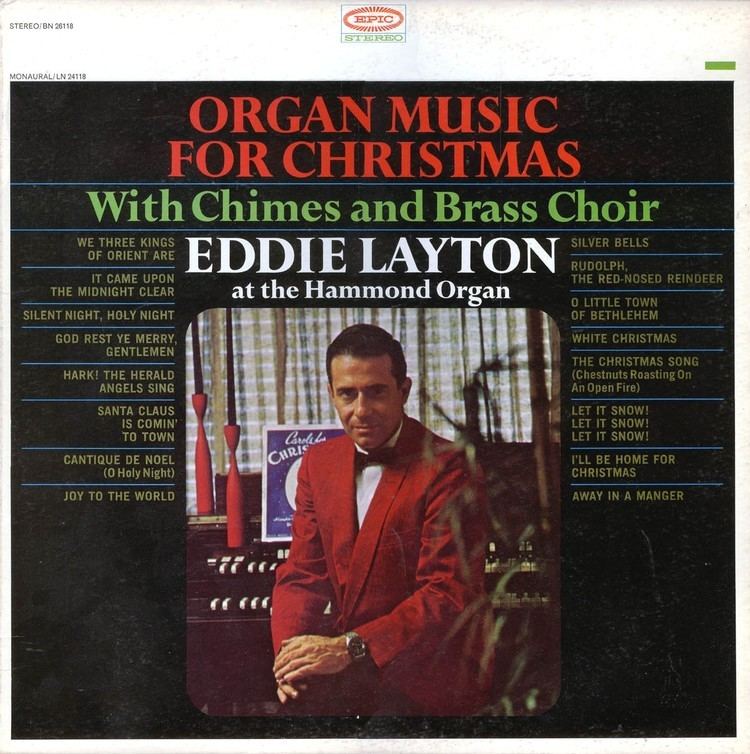
Across the stadium, perched high above, sat Eddie Layton, the Yankees’ longtime organist. From 1967 to 2003, Layton provided the melodic heartbeat of the ballpark, a constant musical companion to the ebb and flow of the game. His selections, often whimsical and perfectly timed, added an invaluable layer to the Yankee Stadium experience, transitioning seamlessly from pre-game anticipation to in-game commentary through music.
3. Decades of Dedication: Sheppard’s Incredible Longevity
Bob Sheppard’s tenure with the Yankees was astounding, spanning 56 seasons from 1951 to 2007. This unparalleled dedication meant he announced the careers of legends from Joe DiMaggio and Mickey Mantle to Derek Jeter and Mariano Rivera, bridging generations of Yankees greatness. His consistency was a comforting constant in an ever-changing sport.
4. The Sound of Home: Layton’s Pre-Game and In-Game Tunes
Eddie Layton’s organ music was the very fabric of the stadium’s atmosphere. He would fill the air with everything from classical pieces and Broadway show tunes to pop hits and patriotic anthems. He possessed an uncanny ability to select just the right song to punctuate a moment, whether it was a rally cry, a humorous dig at an opposing player, or a somber reflection after a tough inning.
5. From Fordham to Fame: Sheppard’s Early Career
Before becoming the voice of the Yankees, Sheppard was a respected English and speech teacher at St. John’s University and served as the public address announcer for Fordham University football and basketball. His meticulous attention to pronunciation and cadence was honed in academic settings, preparing him perfectly for his iconic role.
6. The Stadium’s Soundtrack: How Their Sounds Defined the Experience
Together, Sheppard’s authoritative voice and Layton’s playful melodies created a unique soundscape that was unmistakably Yankee Stadium. Their sounds weren’t just background noise; they were active participants in the game, guiding emotions, building suspense, and celebrating triumphs. They were as much a part of the stadium’s identity as the pinstripes and monuments.
7. Baseball and Beyond: Sheppard’s Other Announcing Gigs
Sheppard’s legendary voice wasn’t confined solely to baseball. He also served as the public address announcer for the New York Giants football team from 1956 to 1999, and the New York Jets from 1963 to 1966. This cross-sport presence further solidified his status as a quintessential voice of New York sports.
8. The Organ’s Range: Layton’s Ability to Shift Moods
Layton’s skill on the organ was truly remarkable. He could instantly shift the mood of the ballpark, transitioning from the celebratory “Charge!” to a melancholic ballad, or a humorous jingle depending on the game’s flow. His improvisational genius made every game a unique auditory experience, a testament to his musical versatility.
9. Unforgettable Introductions: Specific Famous Sheppard Calls
Who can forget the crisp articulation of “Number seven, Mickey Mantle, number seven”? Or the iconic “Number two, Derek Jeter, number two”? Sheppard’s delivery gave each player a distinct identity, making their entry onto the field feel like a grand unveiling. His voice was the gateway to greatness for generations of Yankees.
10. The Seventh-Inning Stretch: Layton’s Renditions
No moment was more emblematic of Layton’s charm than his performance during the seventh-inning stretch. His spirited renditions of “Take Me Out to the Ball Game” were a beloved tradition, encouraging sing-alongs and unifying the crowd in a moment of pure baseball joy. He made the simple act of stretching an auditory celebration.
11. A Tradition Unlike Any Other: Their Role in Yankee Mystique
Sheppard and Layton were more than just employees; they were custodians of tradition. Their consistent presence and iconic sounds contributed immensely to the Yankees’ mystique, reinforcing the idea that Yankee Stadium was a place where history was made, and where certain rituals, like a Sheppard introduction or a Layton tune, were immutable.
12. Quiet Professionalism: Sheppard’s Understated Presence
Despite his immense influence, Bob Sheppard was known for his quiet professionalism. He rarely sought the spotlight, preferring his voice to speak for itself. This understated demeanor only added to his gravitas, making his every word impactful without needing any extraneous showmanship.
13. Musical Storyteller: Layton’s Game Commentary
Eddie Layton had a knack for musical commentary. A high fastball might be accompanied by a brief, dramatic chord, while a particularly bad call by the umpire might lead to a snippet of a sarcastic tune. He told the story of the game not with words, but with a vibrant and often witty musical narrative.
14. The Changing of the Guard: Sheppard’s Eventual Retirement
Sheppard formally retired in 2007 at the age of 96, though his voice continued to be used for Derek Jeter’s at-bats at the new Yankee Stadium, a testament to his irreplaceable status. His departure marked the end of an era, leaving an audible void that could never truly be filled.
15. The Organ’s Last Notes: Layton’s Final Performances
Eddie Layton played his last full season in 2003, though he returned for special occasions. His final official game was on September 28, 2003. The fading notes of his organ signaled the departure of a beloved figure who had provided the soundtrack for decades of Yankees triumphs and tribulations.
16. Echoes in the New House: Their Legacy Carries On
Even after their retirements and the move to the new Yankee Stadium, the spirits of Sheppard and Layton lingered. The new stadium’s public address system and organ music, while different, attempted to evoke the tradition and professionalism established by these two legends, proving their lasting impact.
17. A Unified Front: How Their Sounds Complemented Each Other
Their individual talents, though distinct, worked in perfect harmony. Sheppard’s formal announcements would precede a Layton fanfare, or a crucial play might be followed by a relevant organ piece, creating a cohesive and immersive experience. They were an auditory tag team, each enhancing the other’s contribution.
18. The Human Touch: Beyond Just Sounds, Their Personalities
Beyond their technical skills, both Sheppard and Layton imbued their roles with a human touch. Sheppard’s unwavering dignity and Layton’s playful spirit resonated with fans, making them feel like familiar, comforting presences at the ballpark, more than just voices or musicians.
19. The Yankees Pantheon: Their Rightful Place Among Legends
Bob Sheppard and Eddie Layton are not merely footnotes in Yankees history; they stand alongside the players and managers as integral figures in the team’s pantheon. Their unique contributions to the stadium’s atmosphere cemented their status as true Yankees legends, celebrated and remembered.
20. A Challenge for the Ages: Replicating the Unreplicable
As we reflect on the iconic sounds of Bob Sheppard and Eddie Layton, we’re left with a playful but profound challenge: could any modern sports venue ever truly replicate the organic, deeply personal auditory experience these two men crafted? Their legacy serves as a powerful reminder that some traditions, some voices, and some melodies are simply irreplaceable, forever etched into the heart of baseball’s greatest franchise.