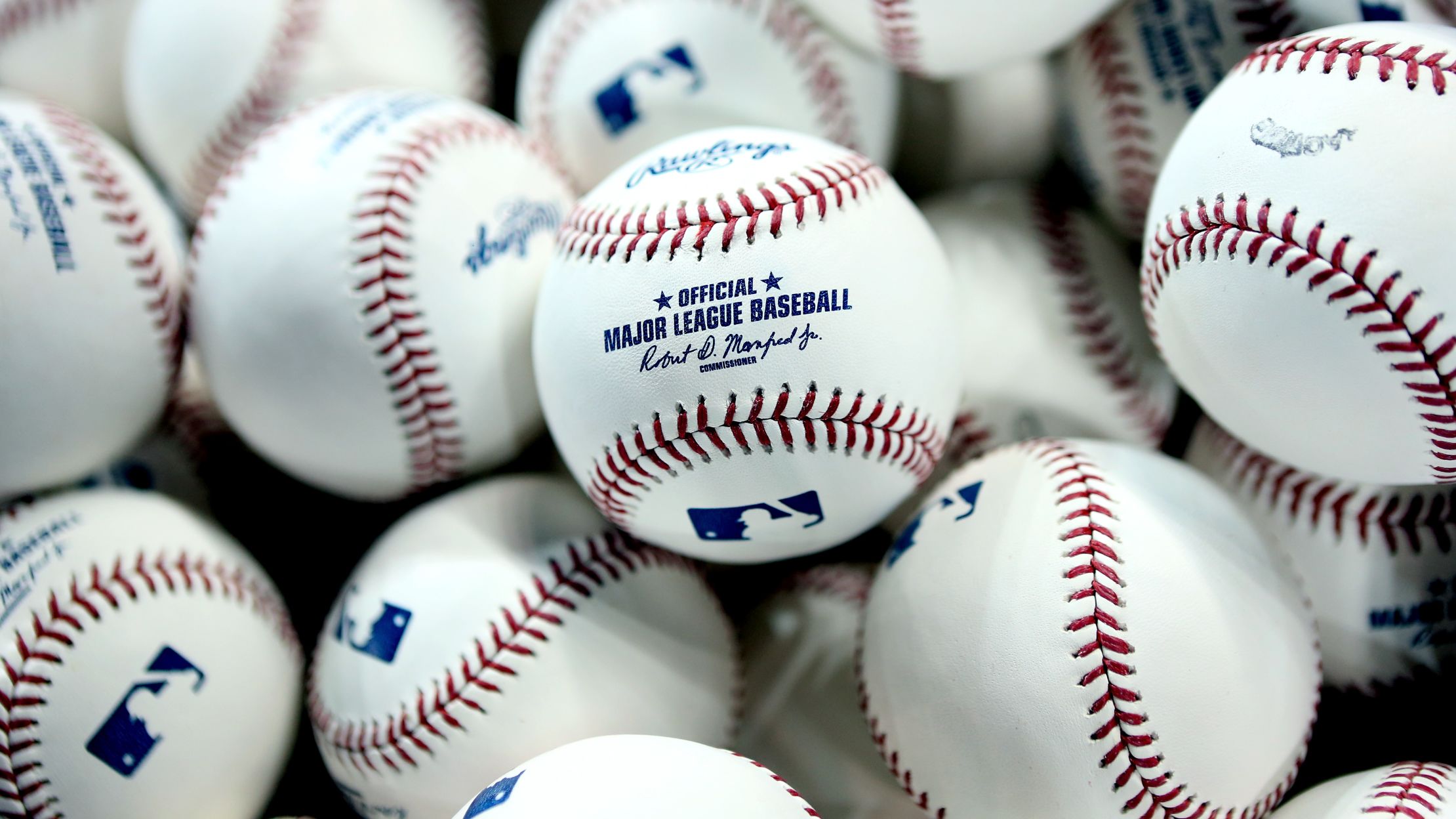
Baseball, often hailed as America’s pastime, is a sport that captivates millions with its blend of strategy, athleticism, and nostalgia. Yet beneath the crack of the bat and the roar of the crowd lies a question that lingers in the minds of aspiring players and spectators alike: How much does it truly cost to play baseball at a professional level? The answer is as layered as the game itself, revealing a spectrum of expenses that stretch from childhood diamonds to the bright lights of the major leagues.
The Hidden Costs of Youth Baseball: Where It All Begins
For many, the journey to professional baseball starts in childhood, where the first swings of the bat are taken on local fields. The costs here are often underestimated. Registration fees for youth leagues can range from $100 to over $1,000, depending on the level of competition. Then there are the uniforms—jerseys, pants, belts, and hats—which can total another $200 to $500. But the real financial sinkhole lies in equipment. A decent youth baseball glove might cost $50, while a high-end model can exceed $300. Cleats, helmets, and protective gear add hundreds more. Travel expenses for tournaments can push annual costs into the thousands, especially for families chasing elite travel ball programs.
These early investments are framed as essential for development, but they also create an invisible barrier. Not every family can afford the steep price of entry, which means talent is filtered through financial privilege long before scouts take notice. The irony is that baseball, a sport often associated with accessibility, becomes a luxury for those who can afford the upfront costs.
The Amateur Path: High School and College Expenses
As players advance, the financial stakes rise. High school baseball demands more specialized equipment—bats that meet league standards, high-quality cleats, and protective gear tailored for position-specific needs. Many players invest in private coaching or batting cages to refine their skills, with hourly rates ranging from $30 to $100. The cumulative cost of high school baseball can easily surpass $2,000 per year for those seeking an edge.
College baseball presents a different financial challenge. Tuition, room, and board are the primary concerns, but the hidden costs are significant. Many players must purchase their own gear, which can total $1,000 or more. Travel for showcases and tournaments adds another layer of expense, often requiring families to cover lodging and transportation. Scholarships alleviate some of the burden, but they are not guaranteed, and partial scholarships leave gaps that must be filled out of pocket.
The pressure to perform at this stage is immense. Players are acutely aware that their performance could determine whether they secure a scholarship or attract the attention of professional scouts. The financial investment becomes a gamble, where the return is not just athletic achievement but a potential career.
The Professional Pipeline: Minor Leagues and the Grind
For those who make it to the minor leagues, the financial reality shifts dramatically. Minor league salaries are notoriously low, often barely covering living expenses. Players in the lower levels might earn as little as $1,000 per month, while those in Triple-A can make up to $2,500. These figures do not account for the costs of housing, food, or transportation, which many players must cover themselves. The result is a grueling cycle where players are expected to perform at peak levels while struggling to make ends meet.
Equipment costs continue to mount. Professional-grade bats, gloves, and cleats are non-negotiable, and many players rely on endorsements or personal sponsors to offset these expenses. The physical toll of the minor leagues is well-documented, but the financial strain is equally brutal. Players are often forced to take on part-time jobs during the offseason just to survive, leaving little time for recovery or skill development.
The dream of reaching the major leagues is what keeps many in the system, but the odds are staggering. Only a fraction of minor league players ever make it to the big leagues, and the financial sacrifices made along the way are rarely recouped.
The Major League Dream: A Financial Gamble
For the fortunate few who sign with a major league team, the financial rewards are life-changing—but only after years of struggle. Rookie contracts are modest, often in the range of $500,000 to $1 million annually, while established stars can command tens of millions. Yet even at this level, the costs of maintaining peak performance are substantial. Personal chefs, advanced training regimens, and cutting-edge recovery technologies are commonplace. The pressure to perform is relentless, and the financial stakes are higher than ever.
The journey from amateur to professional baseball is not just a test of skill but a test of endurance—financial, physical, and emotional. The costs are not merely monetary; they are the sacrifices made in time, relationships, and personal well-being. The allure of the game is undeniable, but the path to success is paved with obstacles that extend far beyond the diamond.
The Broader Implications: Who Gets to Play?
The financial barriers in baseball reveal a deeper truth about the sport: it is not as egalitarian as its lore suggests. The high costs of participation create a system where talent is concentrated among those who can afford to pursue it. This exclusivity shapes the culture of the game, influencing everything from the demographics of players to the strategies employed on the field.
Baseball’s fascination lies in its perceived simplicity—the idea that anyone with a bat and a ball can dream of greatness. Yet the reality is far more complex. The financial demands of the sport are a silent filter, determining who gets to step onto the field and who is left watching from the sidelines. Understanding these costs is not just about crunching numbers; it’s about recognizing the invisible barriers that shape the game we love.