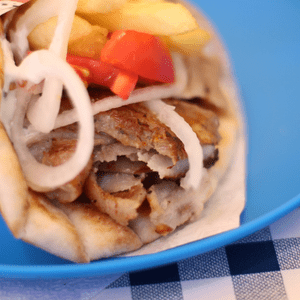
Gyro meat, with its tantalizing aroma and tender, spiced layers, has long been a staple of Mediterranean cuisine. Yet, for those navigating gluten sensitivities or celiac disease, the question lingers: Is this beloved dish truly gluten-free? The answer isn’t as straightforward as one might hope, and the nuances extend far beyond a simple yes or no. Understanding the composition of gyro meat, the role of seasonings, and the potential pitfalls in preparation can mean the difference between a safe indulgence and an unintended reaction. This guide delves into the intricacies of gyro meat’s gluten content, offering clarity for those who refuse to compromise on flavor or safety.
The Anatomy of Gyro Meat: What’s Really Inside?
At its core, traditional gyro meat is a symphony of ground lamb or beef, meticulously spiced with garlic, oregano, and other Mediterranean herbs. The meat is stacked onto a vertical rotisserie, where it slowly cooks, rendering fat that bastes the layers below. The spices, while adding depth, are typically gluten-free—assuming no fillers or additives are introduced. However, the devil lies in the details. Some commercial gyro meat blends incorporate breadcrumbs or wheat-based thickeners to bind the meat or enhance texture. These hidden gluten sources can turn a seemingly safe dish into a minefield for those with gluten intolerance. The key is scrutinizing labels or sourcing from reputable purveyors who prioritize transparency in their ingredient lists.
Seasonings and Marinades: The Hidden Gluten Traps
Even the most meticulously sourced gyro meat can fall victim to gluten contamination through its seasoning. Pre-mixed spice blends, marinades, and even some commercial gyro seasonings may contain malt vinegar, modified food starch (which can be wheat-derived), or hydrolyzed wheat protein. These additives, while enhancing flavor, introduce gluten where none should exist. For those with celiac disease, cross-contamination during the blending process is another concern—shared equipment in factories can transfer gluten particles into otherwise safe spices. The solution? Opt for single-ingredient spices or create homemade marinades using fresh herbs, olive oil, and citrus. This not only eliminates gluten risks but also allows for a more vibrant, personalized flavor profile.
Preparation Methods: Where Cross-Contamination Strikes
The journey from raw meat to sizzling gyro is fraught with opportunities for gluten exposure. Shared grills, cutting boards, and utensils can harbor traces of gluten from previous use, especially if bread or wheat-based foods were prepared on them. Even the rotisserie itself may have been used for non-gluten-free items, leaving residual gluten on the skewer. Restaurants and food trucks, in particular, must adhere to strict protocols to prevent cross-contact, but mistakes happen. For home cooks, the solution is simple: dedicate separate equipment for gluten-free preparation or thoroughly clean surfaces and tools before use. When dining out, don’t hesitate to ask about the kitchen’s gluten-free practices—your health depends on it.
Store-Bought vs. Homemade: Weighing the Risks
The convenience of store-bought gyro meat is undeniable, but it comes with a caveat. Many pre-packaged options are processed in facilities that handle gluten-containing ingredients, raising the risk of cross-contamination. Even brands marketed as “gluten-free” may not meet the stringent standards required for celiac safety. Homemade gyro meat, while labor-intensive, offers complete control over ingredients and preparation methods. Ground meat can be seasoned to taste, and the cooking process can be monitored for gluten safety. For those with severe gluten sensitivities, the peace of mind that comes with homemade preparation is often worth the effort. However, for busy weeknights, seeking out certified gluten-free brands or specialty butchers can bridge the gap between convenience and safety.
The Role of Accompaniments: Don’t Overlook the Extras
A gyro is more than just meat—it’s a culinary experience complete with pita, tzatziki, tomatoes, onions, and sometimes even fries tucked inside. Here, gluten can lurk in unexpected places. Traditional pita bread is made with wheat flour, rendering it off-limits for gluten-free diners. Fortunately, gluten-free pita alternatives are increasingly available, made from rice, almond, or chickpea flour. Tzatziki, a cooling yogurt sauce, is typically gluten-free, but some recipes may include thickeners like flour or breadcrumbs. Always verify the ingredients or make it from scratch with certified gluten-free yogurt and cucumbers. Even the humble onion and tomato can pose risks if pre-sliced or diced in a facility that processes gluten-containing foods. Vigilance is key.
Cultural and Regional Variations: A Global Perspective
Gyro meat, while quintessentially Greek, has been adopted and adapted worldwide, each region adding its own twist. In Turkey, the dish is known as *döner kebab*, and in the Middle East, it may be called *shawarma*. These variations often come with their own gluten-related quirks. For instance, some Turkish döner recipes include yogurt-based marinades that might incorporate gluten-containing additives, while Middle Eastern shawarma spice blends can include barley-based ingredients. Travelers and adventurous eaters must research local customs and ingredient norms to avoid unpleasant surprises. Even within Greece, regional differences in preparation can influence gluten content, making it essential to ask questions and seek out establishments with a reputation for accommodating dietary restrictions.
Certifications and Labels: Decoding the Fine Print
In a world where marketing can be misleading, certifications and labels serve as a beacon of trust for gluten-free consumers. Look for products labeled “Certified Gluten-Free,” which indicates they meet the FDA’s strict standards of less than 20 parts per million of gluten. The “Gluten-Free” label, while helpful, doesn’t carry the same legal weight and may not account for cross-contamination. For restaurants, inquire about their gluten-free certification or training programs, such as those offered by the Gluten Intolerance Group or the National Celiac Association. These programs ensure staff are educated on gluten-free protocols, reducing the risk of errors. When in doubt, reach out to manufacturers or chefs directly—they’re often the best source of accurate information.
The Psychological Impact: Why the Obsession Persists
Beyond the practicalities of gluten content, there’s an almost mystical allure to gyro meat that transcends dietary restrictions. The slow-roasted layers, the intoxicating blend of spices, and the communal act of sharing a meal all contribute to its enduring popularity. For those with gluten sensitivities, the challenge of enjoying gyro meat safely becomes a culinary quest—a test of ingenuity and perseverance. The frustration of navigating menus and the joy of finally finding a safe, delicious bite create a narrative of resilience. It’s a reminder that food is more than sustenance; it’s a cultural touchstone, a comfort, and sometimes, a battleground. The obsession with gyro meat, then, isn’t just about flavor—it’s about reclaiming a piece of tradition in a world that often feels restrictive.
Final Thoughts: Savoring Gyro Meat Without Compromise
Gyro meat can be a gluten-free delight, but it requires diligence, awareness, and a willingness to ask questions. Whether you’re a home cook crafting a homemade version or a diner carefully selecting a restaurant, the key lies in understanding the potential pitfalls and taking proactive steps to avoid them. The Mediterranean diet, with its emphasis on fresh, whole ingredients, lends itself well to gluten-free adaptations—gyro meat included. By prioritizing transparency, seeking out certified products, and embracing the art of homemade preparation, you can indulge in this iconic dish without fear. After all, food should nourish not just the body, but the soul—and a perfectly spiced, gluten-free gyro is worth every effort.