Baseball, often revered as America’s pastime, is much more than a mere sport; it is a living chronicle of cultural shifts, technological advancements, and evolving human endeavor. Like a grand tapestry woven with threads of nostalgia and innovation, baseball’s journey from its humble beginnings to the high-octane spectacle of today invites us into a narrative rich with change and continuity. Exploring this transformation reveals not only how the game’s mechanics and culture have morphed but also how its very soul persists amidst relentless modernization.
The Evolution of Equipment: From Flimsy Tools to Precision Engineering
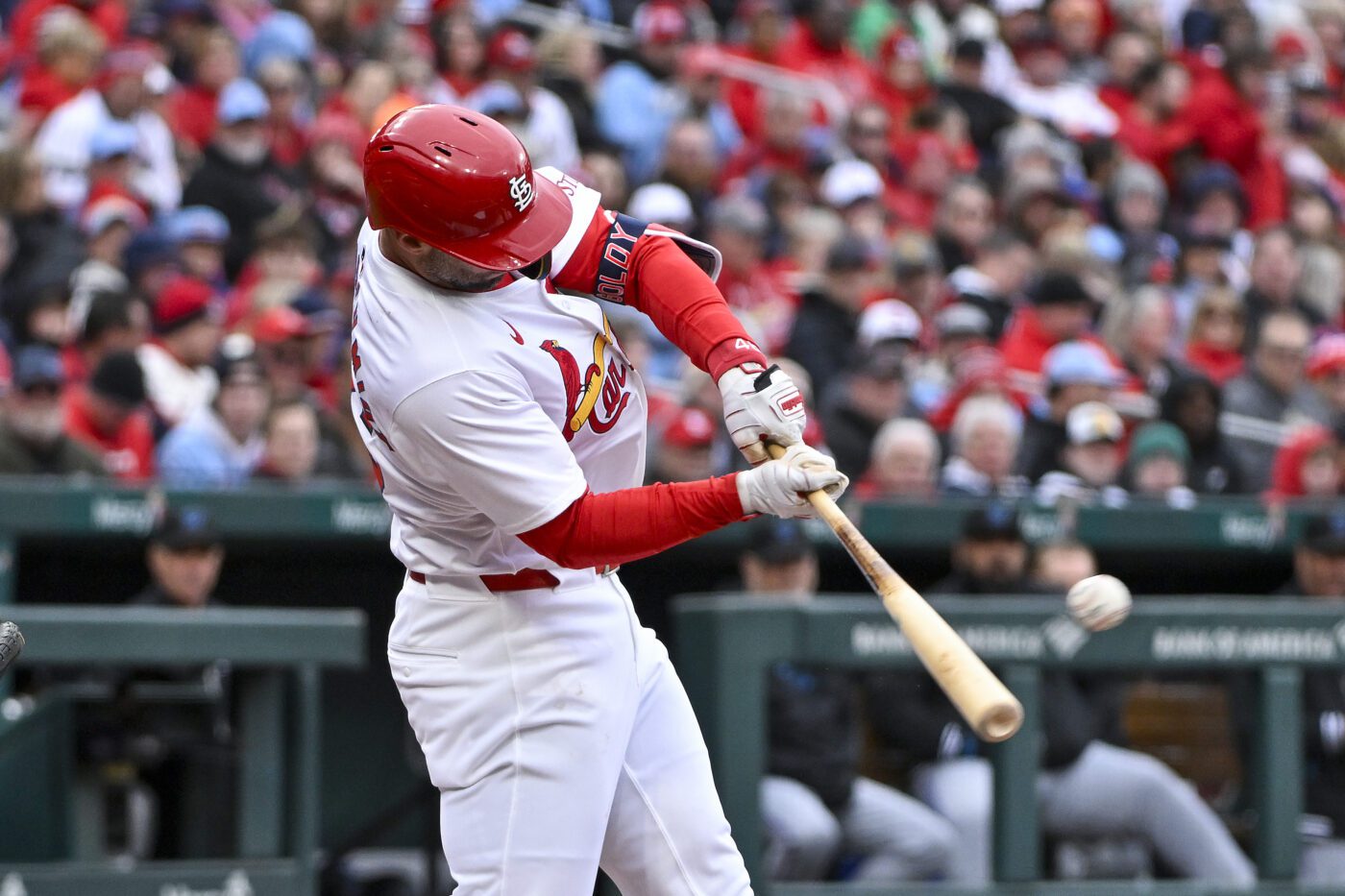
Imagine stepping onto a baseball diamond in the early 20th century, clutching a bat crafted from a simple hunk of ash wood, rough-hewn and heavy. The gloves were rudimentary leather paddles, offering scant protection or flexibility. The ball, hand-stitched and slightly irregular, danced unpredictably in the air. In contrast, the modern player’s arsenal is akin to a surgeon’s kit—meticulously designed, scientifically tested, and optimized for peak performance.
Today’s bats are engineered with exacting standards, blending composites and specialized woods to yield maximum power and control. Gloves now hug the hand like a second skin, intricately crafted to enhance grip and agility. Even the baseballs undergo rigorous manufacturing processes to ensure uniformity in weight and bounce, creating a standardized playing field. This shift epitomizes how technology has refined the very tools of the game, turning them from crude essentials into instruments of precision.
Gameplay and Strategy: The Subtle Dance of Analytics and Tradition
The strategic landscape of baseball has undergone perhaps its most profound metamorphosis. Once a game dominated by gut instinct and raw talent, it has entered an era defined by intricate data analysis and sabermetrics. This infusion of numbers and probabilities has transformed baseball into a cerebral chess match cloaked in physical prowess.
Managers and players now pour over minute statistics—batting averages sliced by pitch type, fielding probabilities, exit velocities—to craft game plans with pinpoint accuracy. Intentional walks, shifts in defensive fielding, and bullpen specialization demonstrate a nuanced, almost surgical approach to a sport that was traditionally more spontaneous. Yet, despite this analytical reverence, the game preserves its primal charm—the crack of the bat, the thrill of a stolen base—maintaining an exquisite tension between math and magic.
Media and Fan Engagement: From Radio Broadcasts to Immersive Digital Experiences
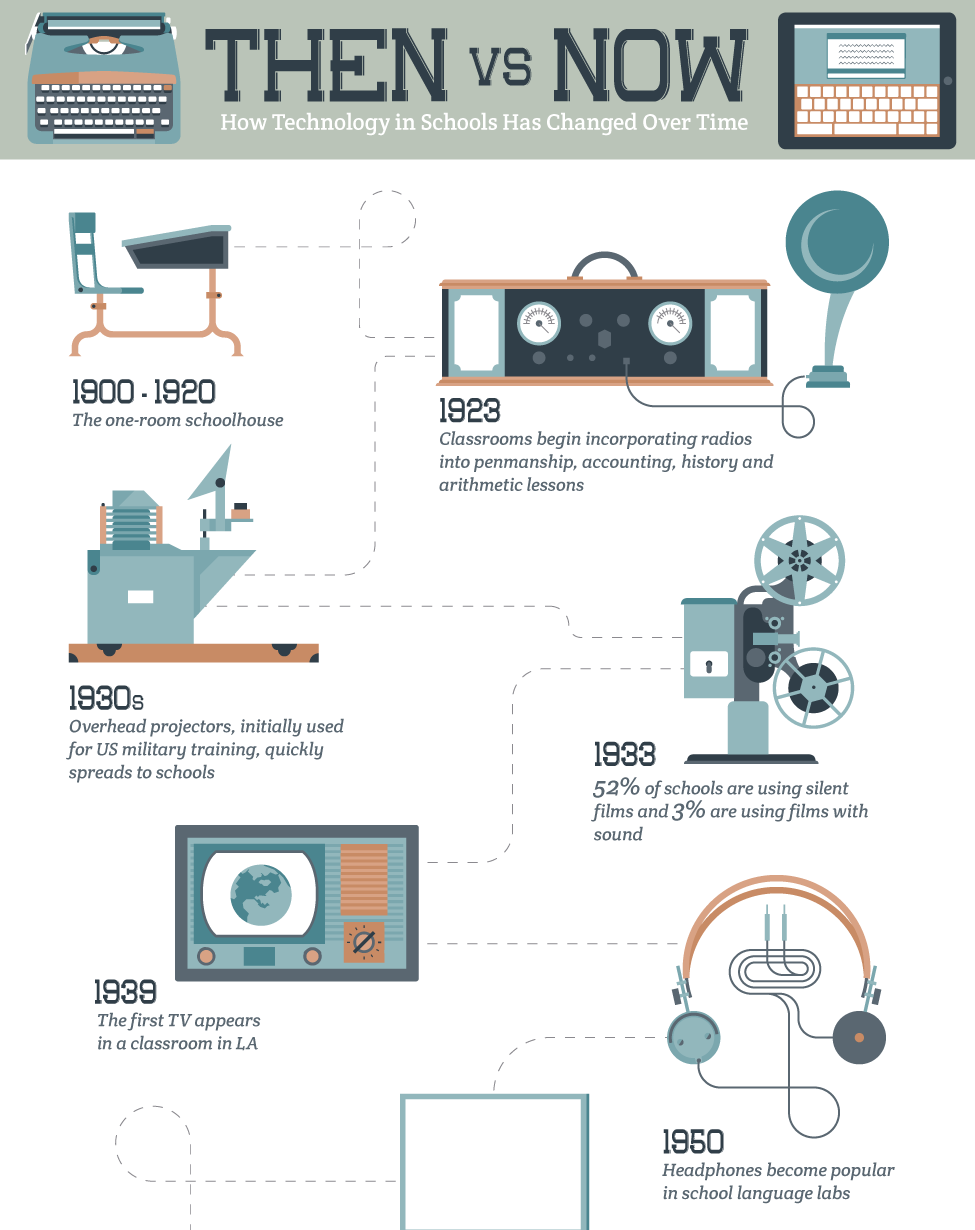
Baseball’s rapport with its audience has dramatically evolved, reflecting broader shifts in media consumption and fan interaction. In the early days, fans gathered around crackling radio sets, the announcer’s vivid commentary painting images with words alone. These broadcasts were communal experiences, sparking lively debates and shared excitement.
Fast forward to the present, and baseball has morphed into an all-encompassing digital spectacle. High-definition broadcasts feature multi-angle cameras, instant replays, and advanced graphics that dissect every play. Fans engage in real-time through social media, fantasy leagues, and virtual reality experiences that place them virtually on the field. This heightened immersion deepens the emotional connection, making the game not just something to watch but something to live and breathe.
Player Training and Athleticism: The Science of Peak Performance
Baseball athletes today are not simply talented players; they are finely tuned specimens of human potential. The days when training regimes were informal or based on anecdotal wisdom have given way to highly structured, scientifically informed programs. Nutritionists, biomechanists, and sports psychologists collaborate to eke out every fraction of a percent in performance enhancement.
Cardiovascular fitness, plyometric drills, and recovery protocols are meticulously scheduled, ensuring longevity and peak conditioning. This contrasts sharply with the more casual preparation of the past, where players might focus primarily on batting practice and field drills. The relentless drive to optimize has elevated the sport’s physical demands and capabilities, reshaping what it means to be a baseball player in the modern age.
Cultural Significance and Diversity: A Broader Canvas of Heroes
The cultural fabric of baseball has expanded dramatically. Once a bastion of a predominantly homogenous player base, the game now stands as a vibrant mosaic of backgrounds, nations, and stories. This diversified influx has enriched the sport’s narrative, adding layers of complexity and universal appeal.
Icons of today hail from every corner of the globe, each contributing unique styles and perspectives. The integration of players from Latin America, Asia, and beyond has transformed baseball into a global language, transcending borders and uniting disparate communities. This multicultural flourishing reflects society’s broader strides toward inclusion and equity, adding a fresh vibrancy to an old tradition.
Ballparks and Spectacle: The Changing Theatres of Play
The stage upon which baseball unfolds has also reinvented itself. Vintage ballparks, with their wooden bleachers and modest amenities, offered intimacy and a quaint charm evocative of a bygone era. Today, sprawling modern stadiums are architectural marvels, equipped with jumbo screens, luxury suites, and interactive zones that redefine the fan experience.
These cathedrals of sport meld tradition with innovation, blending historic design elements with cutting-edge technology. From quirky outfield walls to the ambiance created by lively crowds, ballparks have transcended mere venues to become integral characters in baseball’s ongoing story—living embodiments of the game’s spirit and evolution.
Conclusion: The Ever-Spinning Wheel of Baseball’s Transformation
Baseball’s transformation from then to now mirrors the relentless churn of time itself—an unceasing cycle where heritage and progress entwine. It remains a sport steeped in ritual and symbolism, yet continuously rejuvenated through innovation and inclusivity. Like a river that honors its source while surging forward, baseball balances reverence for its origins with an insatiable appetite for reinvention. This eternal dance ensures its unique appeal endures, captivating generations past, present, and yet to come.