The middle infield—where second basemen and shortstops execute the delicate ballet of turning double plays—is one of baseball’s most visually arresting and statistically perilous zones. It’s where raw athleticism collides with split-second decision-making, where a misstep can cascade into a concussion, a lost game, or worse. Yet, despite the high stakes, concussions in this area remain under-discussed, overshadowed by the more dramatic collisions at home plate or the outfield walls. The truth is, turning two is not just a skill; it’s a high-wire act of physics, anatomy, and instinct, where the margin between glory and injury is measured in millimeters and milliseconds. Understanding how to avoid a concussion in this context requires more than just awareness—it demands a rethinking of technique, equipment, and even the culture of the game itself.
The Physics of Collision: Why the Middle Infield is a Concussion Hotspot
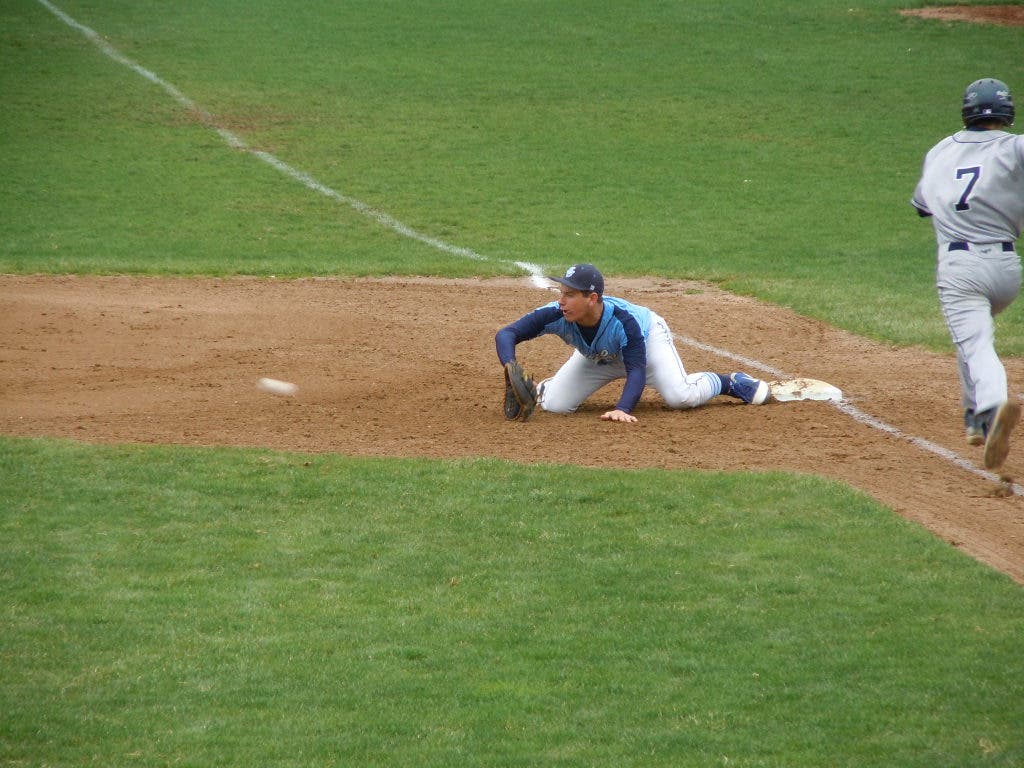
At its core, turning a double play is a controlled collision—a transfer of momentum from bat to ball, from fielder to base, and, all too often, from one player to another. When a shortstop or second baseman pivots to throw, their body becomes a projectile, their momentum redirected with surgical precision. The problem? The laws of physics don’t care about precision. A 150-pound second baseman moving at 12 mph generates enough kinetic energy to rival a small car at idle. When that energy is abruptly halted by a sliding runner’s knee, hip, or helmet, the result is a concussive force transmitted through the skull. The middle infield’s compact dimensions amplify this risk: the bases are 90 feet apart, but the space between them is often less than 30 feet of open ground. There’s no room to decelerate. No time to brace. Just the inevitability of impact.
Worse still, the human body isn’t built for these collisions. The cervical spine, designed for stability, is suddenly subjected to shear forces that can stretch or compress the brain against the skull. The brain, suspended in cerebrospinal fluid, sloshes like a shaken gelatin mold, its delicate neural networks stretching and snapping under the strain. This is why concussions in the middle infield aren’t just bruises to the ego—they’re neurological events with consequences that can linger for weeks, months, or even years. The irony? The very movements that make a middle infielder great—quick feet, explosive hips, a low center of gravity—are the same ones that turn them into human wrecking balls when a play goes awry.
The Anatomy of a Bad Turn: Common Mistakes That Lead to Concussions
Not all double plays are created equal, and neither are all concussions. The most dangerous turns often begin with a single, seemingly minor flaw: the fielder’s positioning. Standing too close to the base, for instance, forces the player to decelerate abruptly, turning their body into a rigid obstacle for the sliding runner. Standing too far back invites the runner to barrel into the fielder’s legs, creating a high-speed collision where the runner’s momentum becomes the projectile. The ideal distance? A Goldilocks zone of 3–5 feet from the base, allowing the fielder to plant, pivot, and release the ball without becoming a stationary target.
Another culprit is the fielder’s head position. In the heat of the moment, it’s instinctive to watch the ball, but this often means turning the head away from the incoming runner. The result? A blindside collision where the runner’s knee or elbow connects with the fielder’s unprotected temple or jaw. The solution is counterintuitive: keep the head up, eyes on the runner, and trust the peripheral vision to track the ball. This not only reduces the risk of a direct hit but also allows the fielder to adjust their stance in real time, absorbing the impact with their shoulders or chest rather than their skull.
Finally, there’s the issue of glove placement. A fielder’s natural instinct is to extend the glove toward the ball, but this can create a dangerous protrusion—a target for the runner’s head or shoulder. Instead, the glove should be tucked close to the body, palm facing outward, forming a shield rather than a lure. This small adjustment can mean the difference between a clean transfer and a concussive blow.
Equipment Evolution: Helmets, Gloves, and the Quest for a Safer Double Play
Baseball’s relationship with safety equipment is a study in incremental progress. For decades, the middle infielder’s helmet was an afterthought—a thin shell of plastic and foam that offered little more than psychological comfort. Today, however, the landscape is changing. Modern batting helmets, while designed for batters, are increasingly worn by middle infielders during practice or when the risk of collision is high. These helmets, with their multi-impact foam and reinforced facemasks, can reduce the force of a blow by up to 30%, though they’re not a panacea. The real breakthrough may lie in position-specific designs—helmets with extended ear flaps to protect the jaw, or even modular systems that integrate with the fielder’s glove arm.
Gloves, too, are evolving. Traditional infield gloves prioritize grip and flexibility, but newer models incorporate shock-absorbing materials in the palm and wrist, areas most vulnerable to direct hits. Some brands are experimenting with padded wristbands or even lightweight forearm guards, though these remain niche solutions. The challenge is balancing protection with performance: a glove that’s too bulky slows the transfer of the ball, turning a double play into a single. The sweet spot? A glove that absorbs impact without sacrificing dexterity—a feat that may require materials science as much as craftsmanship.
Then there’s the question of base design. The traditional rubber base, while durable, offers no give upon impact. Some leagues have experimented with breakaway bases, which collapse under excessive force, reducing the jolt transmitted to the fielder. Others advocate for softer, foam-filled bases that mimic the cushioning of a gym mat. The resistance to such changes is understandable—tradition runs deep in baseball—but the data doesn’t lie. In youth and amateur leagues where breakaway bases are used, concussion rates drop by nearly 40%. The middle infield’s future may depend on whether tradition can bend to science.
Training for the Unthinkable: Drills to Build Concussion-Resistant Middle Infielders
Prevention begins long before game day. The most effective concussion-avoidance strategies are baked into practice, where muscle memory trumps panic. One such drill is the “controlled collision” exercise, where fielders practice absorbing hits from padded dummies or teammates wearing protective gear. The goal isn’t to simulate pain but to train the body to brace for impact—to tuck the chin, square the shoulders, and roll with the force rather than resist it. This isn’t about turning players into crash-test dummies; it’s about teaching them to move like judo practitioners, redirecting energy instead of absorbing it head-on.
Another critical component is neck strengthening. The cervical muscles act as the body’s first line of defense against whiplash, and their weakness can turn a glancing blow into a concussion. Exercises like resistance band rotations, isometric holds, and even simple chin tucks can build the endurance needed to stabilize the head during a collision. Teams that incorporate these drills into their warm-ups report fewer concussions and faster recoveries when injuries do occur.
Finally, there’s the mental aspect. Middle infielders must cultivate a sixth sense for danger—a preternatural awareness of where runners are, where the ball is, and where the collision points might be. This comes from repetition, yes, but also from a culture that prioritizes safety over bravado. Coaches must model this mindset, praising clean double plays over flashy ones, and reminding players that the best middle infielders aren’t the ones who take the hardest hits—they’re the ones who avoid them entirely.
The Cultural Shift: From Grit to Guarded Play
Baseball’s identity has long been tied to its rugged individualism—the player who “takes one for the team,” who plays through pain, who turns double plays with a grin and a limp. But this ethos is slowly giving way to a new paradigm: one where toughness is measured not by how much you can endure, but by how much you can prevent. The middle infield, once a proving ground for fearlessness, is becoming a laboratory for innovation. Leagues at all levels are mandating concussion protocols, from mandatory baseline testing to stricter return-to-play guidelines. Umpires are being trained to recognize the signs of a concussion in real time, and players are being educated on the long-term risks of repeated head trauma.
This shift isn’t without friction. Purists argue that baseball’s soul is tied to its physicality, that removing risk from the game dilutes its essence. But the data suggests otherwise. Teams that prioritize safety don’t just avoid injuries—they perform better. Players who feel protected take more risks, dive for more balls, and execute more daring plays. The middle infield, once a liability, is becoming an asset. And perhaps that’s the deeper fascination: the realization that the game’s most dangerous plays can also be its most preventable. The future of baseball isn’t about making players tougher. It’s about making the game itself smarter.