Ever laced up your cleats, adjusted your cap, and gripped a baseball glove—only to realize it feels like you’re trying to catch a fastball with a catcher’s mitt meant for a giant? The frustration is real. A glove that’s too snug can feel like a straitjacket, while one that’s too roomy might as well be a kite in a windstorm. So, how do you measure a baseball glove size to ensure it’s the Goldilocks of handwear—just right? Let’s dive into the art and science of finding your perfect fit, where precision meets playfulness, and where a few inches can make all the difference between a game-winning catch and a fumble that haunts your dreams.
The Glove Paradox: Why Size Matters More Than You Think
Imagine stepping into a boxing ring with gloves two sizes too big. Your punches would lack power, your defense would be a joke, and your opponent would be laughing all the way to the scorecard. The same principle applies to baseball gloves. A glove that’s too large can turn a routine grounder into a comedy of errors, while one that’s too small might leave your fingers exposed to a stinging line drive. The size of your glove isn’t just about aesthetics—it’s about control, comfort, and confidence. A well-fitted glove becomes an extension of your hand, allowing you to make those jaw-dropping catches look effortless. But here’s the twist: glove sizes aren’t one-size-fits-all. They vary by position, material, and even the shape of your hand. So, before you commit to a glove, you need to understand the nuances of its dimensions.
Tools of the Trade: What You’ll Need to Measure Like a Pro
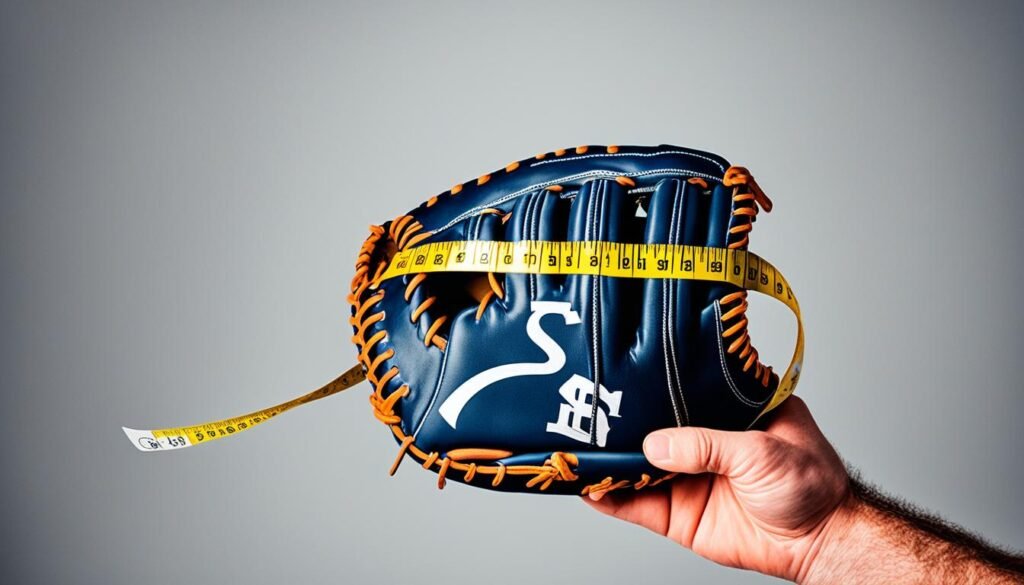
You don’t need a lab coat or a PhD in gloveology to measure your baseball glove size accurately. All you need is a few simple tools: a flexible measuring tape (the kind that doesn’t snap when you bend it), a ruler with clear markings, and a notepad to jot down your findings. If you’re feeling old-school, a piece of string and a ruler will do the trick—just wrap the string around the glove’s palm and measure it afterward. Pro tip: measure in inches, as most glove sizes are listed that way. And don’t forget to measure both hands; dominant and non-dominant hands can have slight differences in size, and you want your glove to feel like a second skin on your throwing hand.
Step-by-Step: How to Measure Your Baseball Glove Like a Scout
Now, let’s get down to brass tacks. Start by laying your glove flat on a table, palm side up. If it’s a catcher’s mitt or a first baseman’s mitt, which are designed to be larger, you’ll measure across the widest part of the pocket. For infield and outfield gloves, measure from the top of the index finger to the bottom of the heel. This gives you the glove’s length. Next, measure the circumference of the wrist opening—this is crucial for ensuring the glove doesn’t slip when you’re in the middle of a double play. For a more precise fit, measure the distance from the base of the thumb to the tip of the pinky finger inside the glove. This will tell you how much room your hand has to breathe. If you’re between sizes, lean toward the smaller option for infielders (who need quick transfers) or the larger one for outfielders (who prioritize reach).
The Position Puzzle: Tailoring Your Glove to Your Role on the Field
Not all gloves are created equal, and neither are the positions they’re designed for. An outfielder’s glove is a sprawling, webbed beast, often 12 inches or more, built to snag fly balls from the depths of the outfield. An infielder’s glove, on the other hand, is a nimble, compact affair, usually between 10.5 and 12 inches, allowing for lightning-fast transfers and precise plays. Catchers and first basemen wield the largest gloves of all—think 32 to 35 inches for catchers, designed to handle fastballs and foul tips, and 12 to 13 inches for first basemen, optimized for scooping throws in the dirt. Pitchers often prefer a snug, closed-web glove to hide their grip, while middle infielders opt for smaller gloves to enhance their range. So, before you buy, ask yourself: What’s my role on the diamond? Your glove should be as specialized as your position.
Material Matters: Leather vs. Synthetic and How It Affects Fit
The material of your glove isn’t just about durability—it’s about how the glove molds to your hand over time. Full-grain leather gloves, the gold standard for serious players, start stiff but soften with use, conforming to your hand like a well-worn baseball cap. They’re heavier but offer unmatched feel and longevity. Synthetic gloves, on the other hand, are lighter and break in faster, making them ideal for younger players or those who prioritize convenience. Hybrid gloves, which combine leather and synthetic materials, strike a balance between the two. Keep in mind that leather gloves will stretch slightly with use, so if you’re on the fence between two sizes, consider sizing down for a leather glove or sticking with your exact measurement for synthetics. And don’t forget to factor in the break-in period—some gloves need hundreds of catches to reach their prime, while others are game-ready out of the box.
Breaking In Your Glove: The Art of Softening Without Sacrificing Structure
There’s nothing worse than a glove that feels like a board when you first take it out of the box. Breaking in a glove is a rite of passage for any baseball player, but it’s also where many go wrong. The key is to soften the leather without distorting its shape. Start by applying a high-quality glove conditioner or even a dab of petroleum jelly to the palm and fingers, then work it in with your hands or a mallet. Play catch with it daily, focusing on catching grounders and pop-ups to help the pocket form naturally. Avoid the temptation to steam or bake your glove—while it might speed up the process, it can weaken the leather and lead to premature cracking. Patience is your ally here; a well-broken-in glove will reward you with a fit that feels like it was custom-made for your hand.
Common Pitfalls: Mistakes That Can Sabotage Your Glove’s Fit
Even the most meticulous measurements can go awry if you fall into one of these traps. First, don’t assume your glove size is the same as your shoe size—gloves are measured in inches, not numbers, and the correlation is often a myth. Second, resist the urge to size up for “room to grow.” A glove that’s too big will hinder your performance more than a slightly snug one. Third, ignore the hype around “one-size-fits-all” gloves; they rarely fit anyone perfectly. Finally, don’t overlook the importance of the wrist strap. A loose strap can cause the glove to shift mid-play, while one that’s too tight can restrict blood flow. Adjust it so it’s snug but not constricting, and you’ll avoid a world of discomfort.
Final Thoughts: When in Doubt, Trust the Process
Measuring a baseball glove isn’t just about numbers—it’s about finding the sweet spot where comfort meets performance. Whether you’re a seasoned pro or a weekend warrior, the right glove can elevate your game from good to legendary. So, take your time, measure carefully, and don’t be afraid to try a few gloves before committing. After all, the perfect fit isn’t just about size; it’s about how the glove feels when you’re in the zone, when the game is on the line, and when you’re making a play that leaves the crowd in awe. Now, go forth and find your glove—your future self will thank you when you’re robbing a home run in the bottom of the ninth.