There exists a captivating allure in the way a sinker darts beneath a batter’s gaze, diving unexpectedly and defying their expectations. This pitch, deceptively simple at first glance, conceals layers of subtlety in its execution that have intrigued pitchers and aficionados alike for decades. The sinker’s unique movement and its ability to induce weak contact have made it a quintessential weapon in any pitcher’s arsenal. Understanding the elusive mechanics behind throwing a nasty sinker hinges on mastering the grip and release, two seemingly minute details that weave a tapestry of physics, dexterity, and strategic craftsmanship.
The Anatomy of a Sinker: More Than Just a Pitch
At its core, the sinker is a fastball variant distinguished by its downward and lateral movement, producing a tumbling path that often results in ground balls. Unlike a conventional fastball that primarily relies on speed and stiff backspin, the sinker utilizes a unique spin axis combined with the forceful application of pressure, which creates its signature sinking action. This blend of velocity and movement is what makes the sinker especially effective — it disrupts the batter’s timing and rewards pitchers who possess a nuanced touch. The fascination with the sinker is deeply rooted in this duality: a pitch that looks straightforward but is governed by complex biomechanics.
Gripping the Sinker: The Crucial Foundation
The journey to a wicked sinker begins with the grip, which establishes the necessary spin and positioning on the ball. Traditional grips often place the index and middle fingers across the seams in a two-seam fastball alignment. However, the sinker’s grip involves nuanced modifications to optimize the ball’s orientation and airflow.
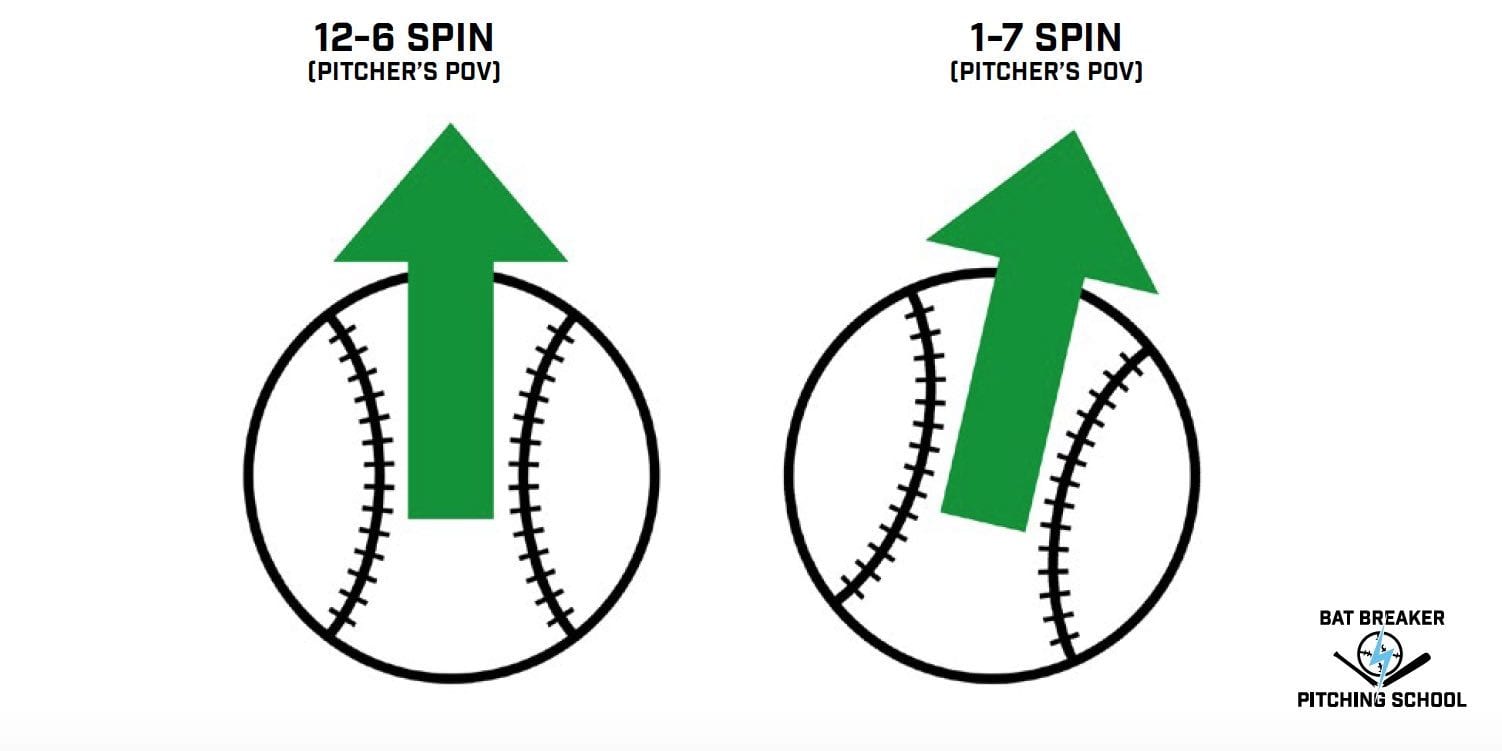
Essentially, pitchers cradle the ball along the narrow seams, with pressure concentrated primarily on the middle finger, and often supplemented by the index finger resting lightly beside it. The thumb anchors the ball underneath, slightly off center to induce the lateral tilt. This off-center grip is essential, as it creates an oblique spin axis, causing the ball to dive and tail simultaneously. Adjustments in finger pressure and placement can intensify or soften the drop, granting pitchers a customizable tool in their repertoire.
A delicate balance is required: gripping too tightly can diminish velocity and fluidity, while too loose a grip sacrifices control and spin quality. As the fingers shift minutely to find this balance, pitchers discover a tactile connection with the ball that molds the outcome of their strike. The grip is not merely a static positioning—it is a dynamic tension that harmonizes with the rest of the pitching mechanics.
The Science Behind the Release: Timing and Wrist Action
The release of the sinker embodies the convergence of gesture and timing. Just as the grip sets the stage, the moment the ball leaves the fingertips is pivotal in carving the pitch’s trajectory. Unlike a four-seam fastball released with a pronounced spin and backspin to maintain a straight trajectory, the sinker’s release calls for a subtle pronation of the wrist.
Pronation involves the inward rotation of the forearm, which, when timed perfectly, imparts a sideways spin to the ball along with the downward movement. This wrist action, executed with precision, determines the axis and rate of spin—central to the ball’s deceptive drop. Additionally, the fingers impart a natural spin by imparting more pressure through the middle finger as the ball departs.
The synchronization of lower body mechanics, arm speed, and release angle cannot be overstated. Even a minor deviation can alter the fluidity of the sink, resulting in a flat, hittable ball instead of one that darts and dips. Practicing the release involves an acute awareness of muscle memory, reinforcing the equilibrious motion that yields consistency.
Body Mechanics: Harnessing Kinetic Energy for Maximum Effect
Behind every terrifying sinker is an orchestra of body movement that optimizes force application while preserving finesse. The kinetic chain—the sequence of movements from the legs, hips, torso, arm, down to the fingertips—must perform in harmony to generate both velocity and the delicate spin axis needed for the sinker’s movement.
Lower body engagement is often underappreciated but vital; by pushing forcefully off the mound and rotating the hips explosively, a pitcher can generate velocity without relying exclusively on arm strength. This protects the arm from injury and fosters repeatability. The torso then follows, rotating and transferring momentum up the kinetic chain. The arm acts as a lever, culminating in the precise release discussed previously.
Maintaining proper posture and balance throughout this motion enhances control. Slight deviations in posture can cause the spin axis to shift or the release point to move, diminishing the pitch’s effectiveness. Developing a fluid, repeatable delivery does more than create velocity—it shapes the innate movement of the sinker.
The Psychological Edge: Using the Sinker to Dictate At-Bats
The sinker is not only a physical phenomenon but a psychological weapon. Batters face the challenge of anticipating the pitch’s trajectory and timing, yet the sinker complicates this process by blending speed with erratic, late movement. Its effectiveness lies in its unpredictability and the subtlety of its fall, which often leads to weak contact or ground balls—pitches that seem to disappear at the last moment.
For pitchers, mastering the sinker fosters confidence, enabling strategic pitch sequencing. It pairs well as a complement to off-speed pitches or elevated fastballs, keeping hitters guessing. The allure of the sinker lies in its ability to impose doubt, forcing batters into reactive stance rather than proactive strikes. This mental edge cultivates pressure, often culminating in pivotal game-changing moments.
Mastering Variations: Tailoring the Sinker to Your Style
While the foundational grip and release create a baseline sinker, pitchers often develop variations to suit their unique style or to confound batters further. Some alter finger pressure to increase lateral movement, others subtly adjust arm angles to elicit different break patterns. Incorporating slight changes in velocity or combining the sinker with a cutter or slider can make the sinker even more formidable.
The key lies in experimentation and feedback—culminating from game experience, video analysis, and biomechanics studies. A sinker that “dives” aggressively can dominate in wet conditions or on certain ballparks; a milder sinker may prove more effective against contact-oriented hitters. Customizing the pitch ensures that it evolves rather than stagnates, preserving its mystique and effectiveness across contexts.
Common Pitfalls and How to Overcome Them
Despite its appeal, many pitchers struggle to harness the sinker’s full potential. Common errors include inconsistent grip pressure, leading to erratic movement; overpronation of the wrist, which can flatten the pitch; or postural imbalances that disrupt release timing. Additionally, reliance on arm strength alone to generate velocity may cause fatigue or injury.
To overcome these obstacles, pitchers must adopt disciplined mechanics training, focusing on repetition and feedback. Video analysis is invaluable, revealing nuances invisible to the naked eye. Equally important is understanding the physiological front—maintaining arm health through conditioning, stretching, and rest to enable longevity with the pitch. Embracing the slow, methodical refinement process separates transient flashes of success from sustainable mastery.
Conclusion: The Enduring Fascination with the Sinker
The sinker remains one of baseball’s most intriguing pitches, combining artistry with athleticism in a way that captivates players and fans alike. Its deceptive movement and groundball-inducing prowess reveal why it has solidified a place in pitching lore. Mastering the grip and release opens the door to unlocking this pitch’s potential, but it is the marriage of science, craft, and strategy that elevates the sinker to a truly “nasty” status. For pitchers willing to delve deep into its mechanics and maintain relentless dedication, the sinker offers a lasting edge, imbued with both subtlety and power that continues to fascinate and dominate on the mound.