The hunt for the rarest of the rare in the world of sports memorabilia is not unlike searching for a needle in a cosmic haystack—except the needle is a 1/1 autographed baseball card, and the haystack is a digital marketplace where the odds of success are measured in fractions of a percent. Yet, against all statistical reason, it’s possible to stumble upon a treasure so singular that it defies the very laws of probability. This is the story of how one collector, armed with nothing but curiosity and a modest budget, acquired the cheapest 1/1 auto on eBay, only to send it on a transformative journey through the alchemy of grading. What began as a gamble on a long shot ended as a testament to the unpredictable magic of collecting: where a single card can evolve from a fleeting impulse purchase to a relic of meticulous craftsmanship, its value and story forever altered.
The Allure of the 1/1: Why One-of-One Cards Captivate the Imagination
In a hobby where scarcity is king, a 1/1 autographed card represents the apex of exclusivity. Unlike limited-edition parallels or serial-numbered inserts, a true one-of-one is a unicorn—an artifact that exists in only one physical form, its very existence a defiance of mass production. The appeal lies not just in rarity but in the mythology surrounding it: each 1/1 is a frozen moment in time, a tangible fragment of a player’s legacy, untouched by duplication. It’s the difference between owning a handwritten letter and a printed facsimile—one carries the weight of authenticity, the other the hollow echo of reproduction. Collectors are drawn to these pieces not merely as investments but as talismans, each one a whispered secret shared between the card and its owner. The thrill isn’t just in the chase; it’s in the ownership of something that cannot be replicated, a piece of history that exists solely because it was deemed worthy of being the only one.
The eBay Gambit: Hunting for the Undiscovered Gem
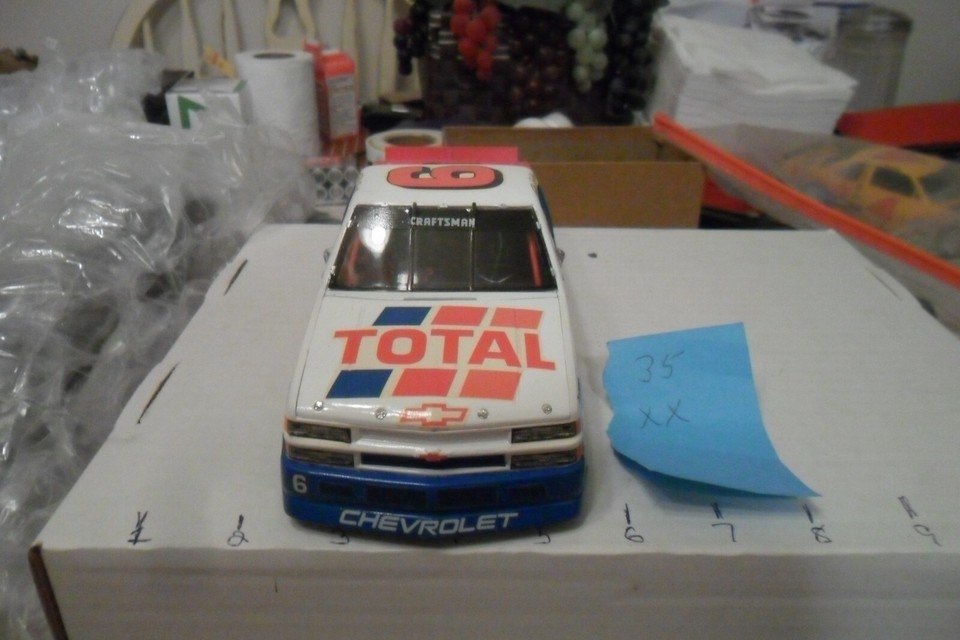
eBay, the digital coliseum of collectibles, is a place where dreams are made and shattered in equal measure. It’s a marketplace where the desperate and the discerning converge, where a misplaced comma in a listing can mean the difference between a $5 impulse buy and a life-changing discovery. The search for the cheapest 1/1 auto is a study in patience and serendipity. It requires sifting through listings that read like cryptic riddles—“VINTAGE MODEL CAR LOT OF1 PARTS CAR lot 0 0 0 01 1”—where the devil is in the details, hidden behind typos, mislabeled images, or the kind of ambiguity that makes seasoned collectors hesitate. The key is to look beyond the obvious, to trust the gut feeling when a listing feels *off*—not in a bad way, but in the way a shadow feels just a shade too long. That’s where the outliers hide. The cheapest 1/1 auto isn’t just a bargain; it’s a gamble on the unknown, a bet that the universe of collectibles has a sense of humor, rewarding those who dare to see potential where others see junk.
The Unboxing: A Card That Defied Expectations
When the package arrived, it was unassuming in the way that all great mysteries are—small, lightweight, wrapped in bubble mailers that betrayed nothing of the contents within. The card inside was a relic of another era, its edges softened by time, its surface marred by the faintest patina of age. The autograph, though faded, was unmistakable: a looping, almost whimsical signature that belonged to a player whose name had long since faded from the spotlight. The card’s condition was rough—corners rounded, surface scratches whispering of decades spent in a shoebox or beneath a mattress. Yet, there was something undeniable about it: a presence, a *soul*. It wasn’t just a piece of cardboard; it was a time capsule, a fragment of a bygone baseball season preserved in ink and glue. The initial reaction was a mix of amusement and skepticism—had this really been the cheapest 1/1 auto on the platform? Or was it, like so many things in life, a case of beginner’s luck masquerading as destiny?
Grading as Alchemy: Transforming the Mundane into the Magnificent
To send a card to grading is to subject it to a modern-day crucible, where the subjective becomes objective, and the flawed becomes flawless—or at least, *graded*. The process is part science, part sorcery. Under the scrutinizing eye of a grading company like PSA or BGS, every imperfection is cataloged, every crease measured, every print flaw dissected. The card’s journey through grading is a metamorphosis: what was once a scuffed relic is now a graded specimen, its flaws documented with the precision of a museum curator labeling a dinosaur bone. The transformation is jarring. A card that looked like it belonged in a shoebox now sits in a rigid, tamper-evident slab, its value suddenly quantifiable, its story rewritten in numbers and letters. The grading process doesn’t just preserve the card; it *redefines* it. A 1/1 that was once a curiosity is now a graded artifact, its uniqueness etched into plastic and paper, its place in the hierarchy of collectibles secured for posterity.
The Aftermath: Value, Validation, and the Collector’s Dilemma
When the graded card arrived back in the mail, it was as if a switch had been flipped. The slab was heavier now, not just physically but metaphorically. The card’s new grade—let’s say it landed at a respectable 5—wasn’t just a number; it was a validation. It was proof that even the cheapest 1/1 auto could ascend to something greater through the right combination of luck, timing, and a little bit of faith. The card’s value had shifted overnight, no longer a speculative gamble but a tangible asset. Yet, with that validation came a new dilemma: what to do with it? Sell it and cash in on the investment? Hold onto it as a trophy of the hunt? Display it as a conversation piece, a testament to the unpredictable beauty of collecting? The answer, of course, is that it doesn’t matter. The card’s true value lies not in its price tag but in the story it tells—the story of a collector who dared to see potential in the overlooked, who trusted their instincts against the cold mathematics of probability. In the end, the card is more than a graded relic; it’s a reminder that the most extraordinary finds often come from the most ordinary beginnings.
The Larger Lesson: Why the Hunt is the Real Prize
The pursuit of a 1/1 auto—especially the cheapest one on the market—isn’t just about the card itself. It’s about the journey, the moments of doubt, the flashes of insight, the sheer joy of discovery. It’s about learning to read between the lines of a poorly written listing, to trust the gut feeling when something feels *right*. It’s about embracing the chaos of collecting, where logic and luck collide in unpredictable ways. The card, in the end, is just the vessel for that experience. It’s the excuse to dive into the rabbit hole of baseball history, to research players long forgotten, to marvel at the evolution of the game and its artifacts. The real treasure isn’t the graded slab sitting on a shelf; it’s the collector’s evolution—the transformation from a casual browser to someone who sees the world of sports memorabilia through a lens of possibility. In a hobby often dominated by deep pockets and cutthroat competition, the cheapest 1/1 auto is a rebellion. It’s proof that the game isn’t just for the elite. It’s for anyone willing to take the leap, to trust the process, and to find magic in the unlikeliest of places.