Softball and baseball have long been intertwined in the public consciousness, often compared and evaluated against one another. At first glance, many assume the two sports differ mainly in ball size, pitching styles, and field dimensions. However, the question of whether softball is harder than baseball provokes a deeper inquiry, touching on nuanced physical demands, strategic intricacies, and the unique mental pressures intrinsic to each discipline. The truth, as it often is, is more complex and intriguing than the common perception suggests.
The Surface Comparison: Size, Speed, and Space
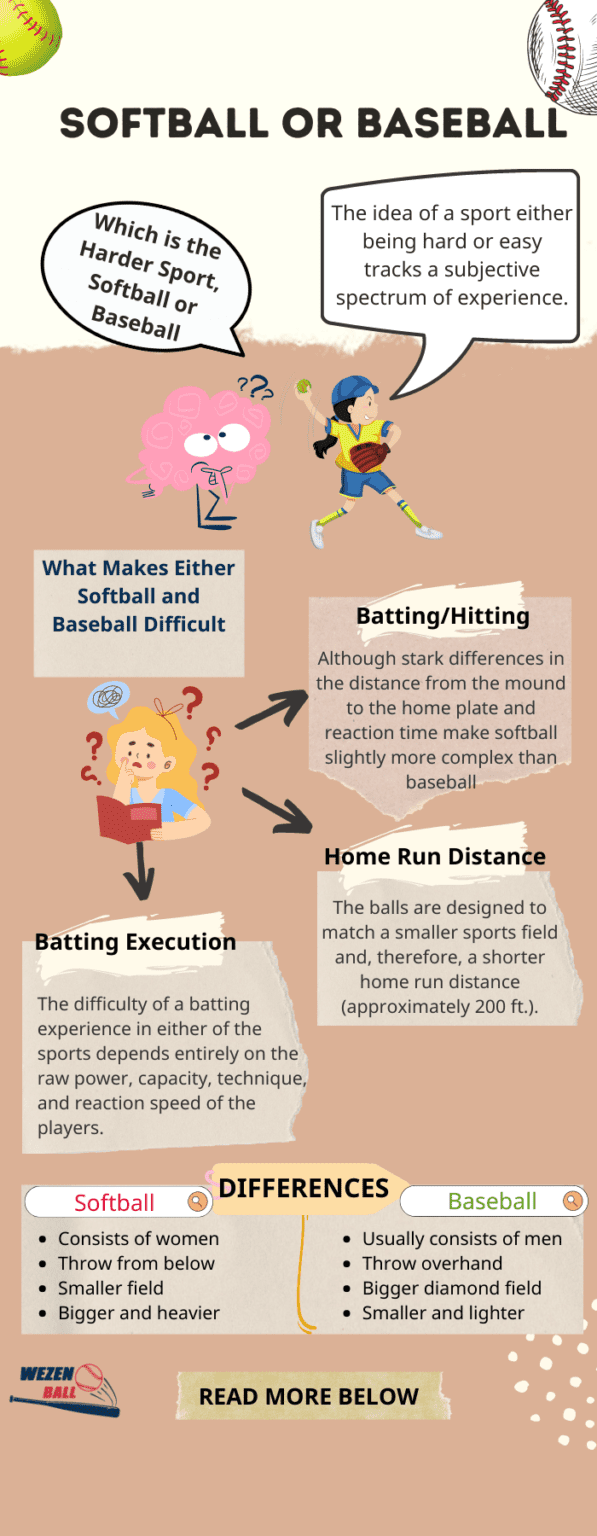
The most conspicuous differences between softball and baseball lie in the dimensions and parameters defining each sport. Softball employs a larger ball—typically 12 inches in circumference compared to baseball’s 9-inch ball. The softball field is more compact, with baselines measuring 60 feet instead of 90 feet, and pitching distances are shorter. At first glance, these condensed dimensions might suggest a less demanding athletic endeavor. However, the larger ball size paradoxically increases the challenge of precise batting and fielding. Likewise, the reduced spaces compress reaction times, especially in defensive play, amplifying the requirement for quick reflexes and anticipatory skills.
Pitching Techniques: Overhand Versus Underhand—A Study in Complexity
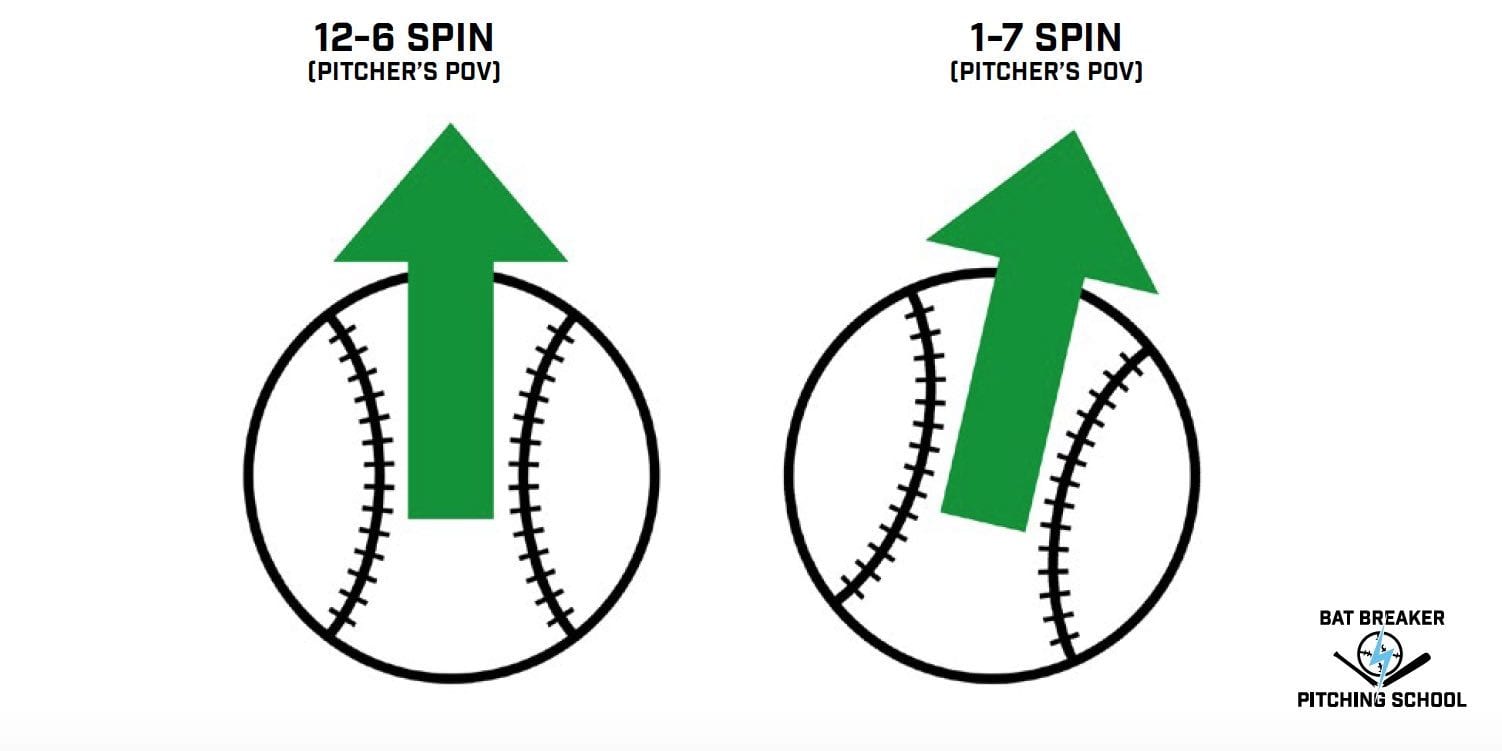
One of the most striking differences lies in the pitching style. Baseball pitchers rely predominantly on overhand or sidearm deliveries, enabling a plethora of pitch types—fastballs can approach speeds over 100 mph, while sliders, curveballs, and changeups confound hitters with intricate movement. Conversely, softball pitchers utilize an underhand windmill motion that demands exceptional shoulder flexibility and core strength. Although the ball velocity in softball pitchers is typically lower than baseball’s, the trajectory can be deceptive, characterized by rising arcs, drops, and spin-induced deviation. Mastery of these techniques requires not only extraordinary athleticism but also intimate biomechanical understanding to prevent injury and sustain performance under the physically taxing motion that differs fundamentally from pitching in baseball.
The Batting Battle: Timing, Technique, and Adaptation
The batting experience in softball is intrinsically distinct from baseball. Softball hitters face pitching from closer quarters with balls arriving in an upward arc, requiring a refined strike zone judgment and exceptional hand-eye coordination. The timing window is narrower, and the batter’s ability to adapt to different pitch speeds and trajectories is paramount. This variation in pitch delivery demands a batting stance and swing mechanics that emphasize rapid response and short, compact swings. In baseball, hitters contend with higher pitch velocities and a wider strike zone, but the flatter pitch trajectories allow for different tactical adjustments. Thus, the challenge is not inherently easier or harder but fundamentally different, demanding a specialized skill set in both sports.
The Mental Game: Pressure, Strategy, and Psychological Fortitude
Beyond the physical and technical dimensions, the psychological component plays an equally vital role in determining the relative difficulty of softball and baseball. The compressed nature of softball games, with shorter distances and quicker plays, creates an environment where split-second decisions are magnified. Pitchers and batters alike confront intense pressure cycles, where a single mistake can alter game momentum drastically. The intricate dance of anticipation, deception, and calculated risk-taking requires heightened cognitive agility. Baseball, while often slower paced, features longer games and a more expansive field, which can lead to fluctuating psychological endurance demands. The necessity to maintain focus over prolonged innings, adjust to variable game states, and navigate strategic complexities also calls for an advanced mental framework, albeit with a different rhythm and cadence compared to softball.
Physical Conditioning and Injury Risks: Divergent Demands on the Body
Softball generally necessitates explosive bursts of speed, rapid lateral movements, and unique pitching motions that condition specific muscle groups. The windmill pitching motion, while efficient in generating power, can lead to particular stress on the shoulder and wrist. Base stealing and fielding demand agility and quick transitions between sprinting and precise catching. Baseball players, on the other hand, often rely on sustained endurance and powerful throwing from greater distances, placing strain on the arm and shoulder in a different manner. The longer game duration also imposes cumulative fatigue. Both sports require rigorous training regimens but emphasize distinct muscles, endurance qualities, and flexibility protocols. The injury profiles differ as well, making each sport’s physical demands uniquely arduous in their own respect.
Community and Cultural Perceptions: Shaping the Narrative of Difficulty
Much of the perception surrounding which sport is harder is filtered through community attitudes and cultural narratives. Baseball, especially in regions where it dominates as the national pastime, often garners more mainstream attention and prestige. Softball, sometimes unfairly relegated to a secondary status, harbors a fiercely competitive and highly skilled ecosystem of athletes who often must wrestle with underestimated perceptions. This social context influences how athletes and fans view the sports’ relative demands. The fascination with comparing softball and baseball is a reflection of deeper societal dynamics about gender, tradition, and athletic valorization. The dialogue around difficulty is as much about these underlying cultural frameworks as about the sports themselves.
The Verdict: An Intricate Tapestry of Challenges
Declaring softball harder than baseball, or vice versa, requires stepping beyond surface comparisons and acknowledging the multifaceted nature of each sport’s demands. Both disciplines require specialized skills, exceptional physical conditioning, mental sharpness, and tactical insight. Softball’s compact field, distinct pitching style, and rapid pace create a unique crucible of challenges. Baseball’s expansive field, high-velocity pitching, and prolonged competition demand endurance, precision, and adaptability on a grand scale. Each sport is an epitome of specialized athletic artistry, making any simple comparison almost reductive.
The fascination with determining which sport is harder stems from a broader human impulse to categorize and evaluate excellence. Yet, the truth is that softball and baseball present their own rigorous, yet different, tests of human capability. Appreciating these nuances not only enriches our understanding of the sports but also underscores the remarkable range of athletic prowess captured within the venerable traditions of bat, ball, and glove.