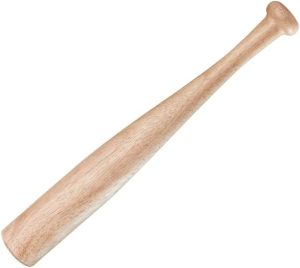
Imagine stepping up to the plate, the weight of the bat in your hands feeling like an extension of your own spirit—too heavy, and it’s a burden; too light, and it’s a whisper. The perfect youth baseball bat is neither. It’s a bridge between potential and performance, a tool that transforms raw talent into tangible power. But how do you find that elusive Goldilocks bat—not too big, not too small, but just right? The answer lies not in guesswork, but in a carefully calibrated dance between age, height, and the bat’s own dimensions. This guide is your playbook, your roadmap, and your secret weapon in unlocking the full potential of young sluggers.
The Alchemy of Bat Selection: Where Science Meets Swing
Selecting the right baseball bat for a young player is akin to composing a symphony. Each element—length, weight, material, and drop—must harmonize to produce a crescendo of power rather than a cacophony of frustration. The science behind bat selection is rooted in biomechanics: a bat that’s too long or too heavy disrupts the natural rhythm of a swing, while one that’s too short or light sacrifices momentum. The key is balance, a delicate equilibrium where the bat becomes an extension of the player’s body.
Consider the bat’s moment of inertia, a term borrowed from physics that describes how resistant an object is to rotational motion. A bat with a higher moment of inertia requires more effort to swing, which can fatigue young arms. Conversely, a bat with a lower moment of inertia allows for quicker, more explosive swings—ideal for players still refining their technique. The challenge is to find a bat that minimizes fatigue while maximizing power, a task that demands both precision and intuition.
Age as a Compass: Navigating Growth with Every Swing
Age is more than a number; it’s a compass guiding the journey of a young athlete. At each stage of development, the body evolves, and so too must the equipment. For players aged 5-7, lightweight bats with a drop (the difference between length in inches and weight in ounces) of -10 to -13 are ideal. These bats are forgiving, allowing young players to focus on form without the strain of excess weight. As players grow into the 8-10 age range, a drop of -8 to -10 strikes a balance between control and power, accommodating the increasing strength and coordination of the child.
By ages 11-13, the bat’s drop narrows further to -5 to -8. At this stage, players are developing the muscle memory and technique to handle slightly heavier bats, which can translate to greater exit velocity upon contact. The transition isn’t just about physical readiness; it’s about mental readiness too. A bat that’s too heavy can erode confidence, while one that’s too light may leave a player feeling like they’re swinging a toothpick. The goal is to match the bat to the player’s developmental stage, ensuring that every swing builds both skill and self-assurance.
Height: The Silent Architect of Bat Selection
If age is the compass, height is the blueprint. A player’s height dictates the optimal bat length, which in turn influences the swing’s arc and the bat’s moment of inertia. For players under 4’6”, a bat length of 26-28 inches is typically ideal, providing the maneuverability needed for quick, compact swings. As height increases to 4’6”-5’2”, bat lengths of 28-30 inches offer a blend of control and reach, allowing players to cover the plate effectively. For those standing taller than 5’2”, bats ranging from 30-32 inches can harness their natural leverage, turning height into an advantage at the plate.
But height isn’t just about raw measurement; it’s about proportion. A taller player with a shorter bat may struggle to generate sufficient power, while a shorter player wielding an overly long bat risks sacrificing bat speed for reach. The solution lies in the knob-to-hand distance, the space between the bat’s knob and the player’s top hand when gripping it. This distance should allow for a slight bend in the elbows, ensuring a comfortable grip without overextension. It’s a small detail with outsized consequences, the difference between a swing that feels like a dance and one that feels like a struggle.
The Material Matrix: From Aluminum to Composite and Beyond
The material of a bat is its soul, determining not just its performance but its very character. Aluminum bats, the stalwarts of youth leagues, are prized for their durability and affordability. They offer a consistent sweet spot and a lively trampoline effect, rewarding solid contact with a satisfying ping. However, their stiffness can transmit more vibration to the hands, a drawback for players with developing wrists or those prone to stingers. Composite bats, on the other hand, are the artisans of the bat world—softer, more forgiving, and engineered to dampen vibrations. They’re ideal for players who prioritize comfort and control, though they often come with a higher price tag and a break-in period.
Hybrid bats, a fusion of aluminum and composite, strike a middle ground, combining the durability of metal with the comfort of composite. For the most discerning young players, wood bats offer a raw, unfiltered experience—no gimmicks, just the pure connection between bat and ball. While wood bats are less forgiving, they teach players the value of precision and timing, skills that translate seamlessly to higher levels of play. The choice of material isn’t just about performance; it’s about shaping the player’s relationship with the game itself.
The Drop Factor: Decoding the Weight-to-Length Ratio
The drop of a bat is its secret language, a numerical code that reveals its weight relative to its length. A bat with a drop of -10 weighs 10 ounces less than its length in inches. For example, a 30-inch bat with a -10 drop weighs 20 ounces. This ratio is pivotal in determining how a bat feels in a player’s hands. A higher drop (e.g., -12) means a lighter bat, ideal for younger or smaller players who need to prioritize swing speed. A lower drop (e.g., -5) indicates a heavier bat, suited for stronger players who can generate power without sacrificing control.
The drop isn’t just a number; it’s a reflection of the player’s physical development and swing mechanics. A player who struggles with bat speed may benefit from a higher drop, while one who needs to drive the ball deeper into the outfield might opt for a lower drop to maximize momentum. The key is to experiment, to find the drop that feels like an extension of the player’s own strength. It’s a process of trial and error, but one that yields invaluable insights into a player’s potential.
Swinging into the Future: Long-Term Considerations
Selecting a bat isn’t just about the present; it’s about planting seeds for the future. A bat that’s too large or too heavy can stunt a player’s development, reinforcing bad habits that are difficult to unlearn. Conversely, a bat that’s too small or light may leave a player ill-prepared for the demands of higher levels of play. The ideal bat is one that grows with the player, offering just enough challenge to inspire improvement without overwhelming them.
Consider the bat’s sweet spot, the area of the barrel that delivers the most power upon contact. A larger sweet spot provides a margin for error, forgiving slight mis-hits and instilling confidence. As players advance, they may seek bats with a more refined sweet spot, one that rewards precision and technique. The journey from a forgiving bat to a performance-driven one is a natural progression, mirroring the player’s own development from novice to seasoned competitor.
The Final At-Bat: Trusting the Process
In the end, the perfect youth baseball bat is a personal odyssey, a quest that blends science, intuition, and a dash of serendipity. There’s no one-size-fits-all solution, no magic formula that guarantees success. Instead, the process is iterative, a series of swings and adjustments that refine the connection between player and bat. It’s about listening to the body, heeding the feedback of the hands, and trusting the instincts that come with experience.
So step into the batter’s box with confidence. The right bat is out there, waiting to be discovered—a silent partner in the pursuit of greatness. Swing hard, swing true, and let the game unfold.