Baseball fans, brace yourselves. A seismic shift is rumbling through the digital dugouts of MLB The Show 25, and it’s not just about the crack of the bat or the roar of the crowd—it’s about where and how you’ll experience America’s pastime. The whispers have crescendoed into a full-throated announcement: Xbox Game Pass is poised to become the unexpected sanctuary for baseball simulation enthusiasts, offering a front-row seat to the most immersive baseball experience yet. But what does this mean for the future of sports gaming? Let’s dissect the implications, the unspoken promises, and the tantalizing unknowns that lie ahead.
The Game Pass Gambit: A Paradigm Shift in Sports Gaming Access
For decades, sports games have been the domain of standalone purchases, each annual iteration demanding a fresh investment. MLB The Show has long been the gold standard, but its exclusivity on PlayStation and the hefty price tag of new releases have left a void for Xbox loyalists. Enter Xbox Game Pass—a subscription service that has quietly redefined how gamers consume content. By integrating MLB The Show 25 into its ecosystem, Microsoft isn’t just adding another title; it’s signaling a fundamental reimagining of sports gaming accessibility.
The implications are staggering. No longer will baseball fans need to choose between splurging on a new game or settling for last year’s model. Game Pass subscribers will gain immediate access to the latest iteration, complete with all its refinements, without the friction of a one-time purchase. This democratization of content could redefine player expectations, turning sports gaming from a seasonal splurge into a year-round indulgence. The question isn’t whether this will attract new fans—it’s how it will reshape the industry’s economic and creative landscape.
Gameplay Evolution: What’s Brewing Beneath the Surface
While the Game Pass integration is the headline, the true allure of MLB The Show 25 lies in its gameplay innovations. Rumors and developer teases hint at a seismic overhaul of the on-field experience, with a focus on granular realism and dynamic player interactions. Imagine a pitch that doesn’t just break based on a preset trajectory, but adapts to the batter’s swing tendencies in real time. Or a fielding system where infielders adjust their positioning not just by the count, but by the subtle tells of the opposing hitter.
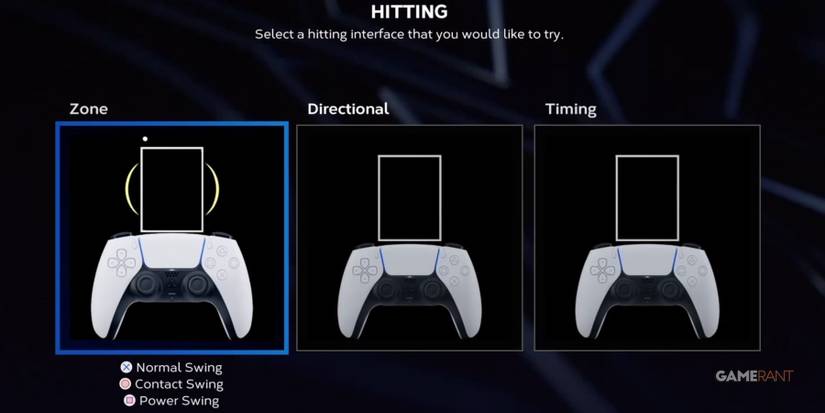
The batting mechanics are also rumored to receive a facelift, with a revamped timing system that emphasizes precision over brute force. Gone are the days of mashing buttons to send a ball into the stratosphere; now, success hinges on reading the pitcher’s release point and timing your swing to the millisecond. These changes aren’t just incremental—they’re a bold step toward a more cerebral, simulation-driven experience that rewards skill over button-mashing.
But the most tantalizing prospect? A revamped “Road to the Show” mode, which could finally bridge the gap between arcade flair and deep RPG mechanics. Expect a narrative-driven journey where your created player’s growth is shaped by their choices, relationships, and even failures. The mode might introduce branching storylines, where off-field decisions—like joining a team’s charity initiative or clashing with a veteran teammate—ripple into on-field performance. It’s a bold fusion of storytelling and simulation, one that could redefine what it means to play as a baseball player.
The Legends Awaken: A New Era of Nostalgia and Rivalry
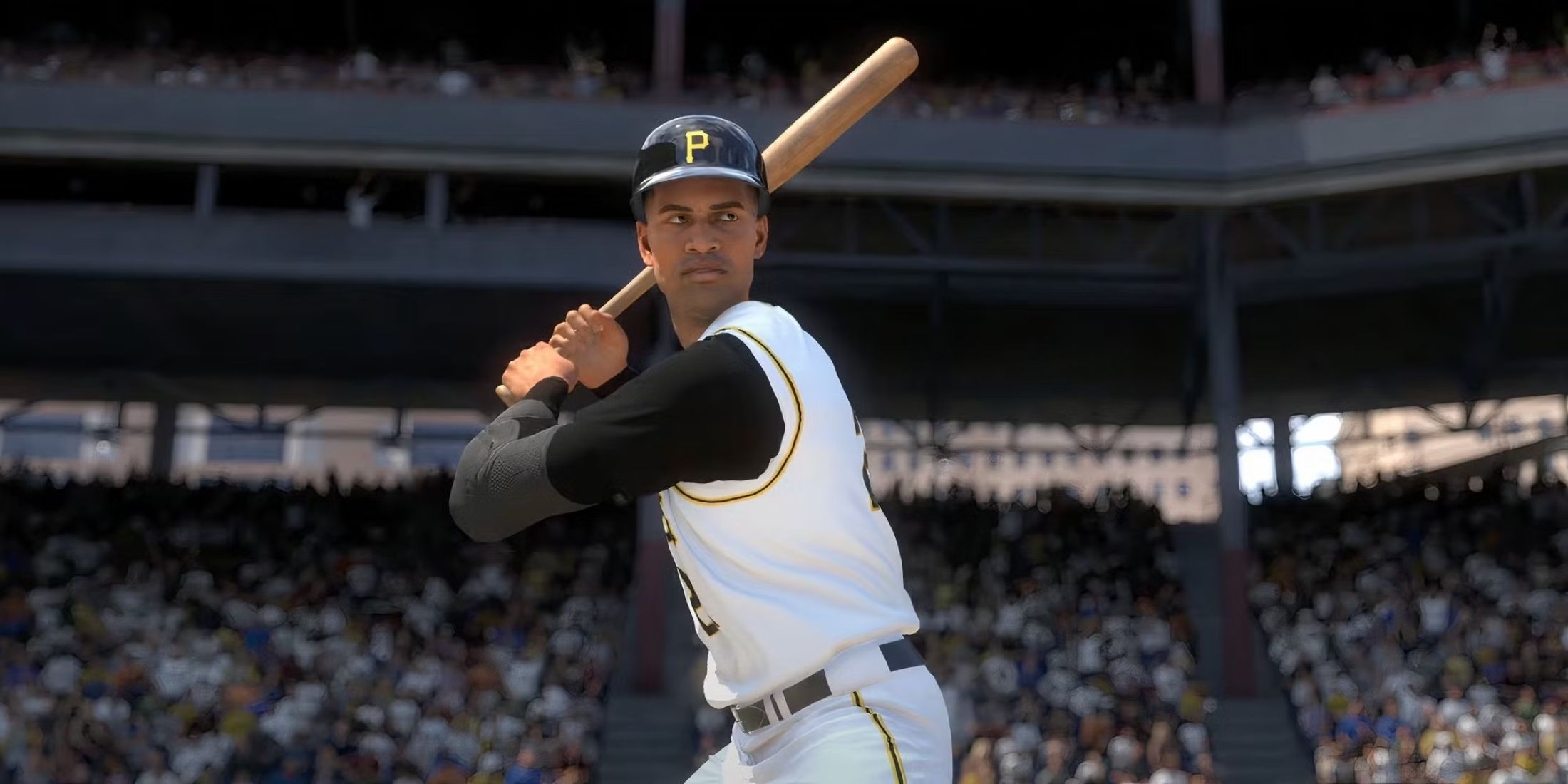
Every MLB The Show iteration has paid homage to the legends of the game, but The Show 25 appears poised to elevate this tradition to new heights. Whispers suggest an expanded “Legends” mode, where iconic players from different eras don’t just appear as static cards or unlockables—they become dynamic, playable entities with their own unique skill trees and historical contexts. Imagine stepping into the cleats of a young Hank Aaron, navigating the segregated leagues of the 1950s, or commanding a dominant Roger Clemens in his 1986 peak, complete with his signature high leg kick and intimidation tactics.
The mode could also introduce a “Rivalries” system, where legendary matchups—like Mantle vs. Mays or Clemens vs. Piazza—play out in cinematic fashion, with cutscenes and dynamic commentary that evolve based on player performance. This isn’t just nostalgia bait; it’s a way to immerse fans in the drama and history of the game, making every at-bat feel like a chapter in baseball’s grand narrative.
But the real innovation might lie in the “Legends vs. Today” showdowns. Picture a hypothetical battle between Babe Ruth and Mike Trout, where the game’s AI dynamically adjusts the pitcher’s arsenal and the batter’s approach based on real historical data. It’s a sandbox for baseball purists, a playground for simulation enthusiasts, and a love letter to the game’s rich history—all rolled into one.
Behind the Scenes: The Tech That’s Redefining Realism
The visual and technical leap in MLB The Show 25 isn’t just about prettier graphics—it’s about creating an experience that feels alive. The game is rumored to leverage advanced motion-capture technology to replicate the idiosyncrasies of every player, from the quirky windup of a knuckleballer to the subtle hip rotation of a power hitter. The ball itself is said to be rendered with unprecedented physics, reacting to air resistance, spin rate, and even the humidity of the virtual stadium.
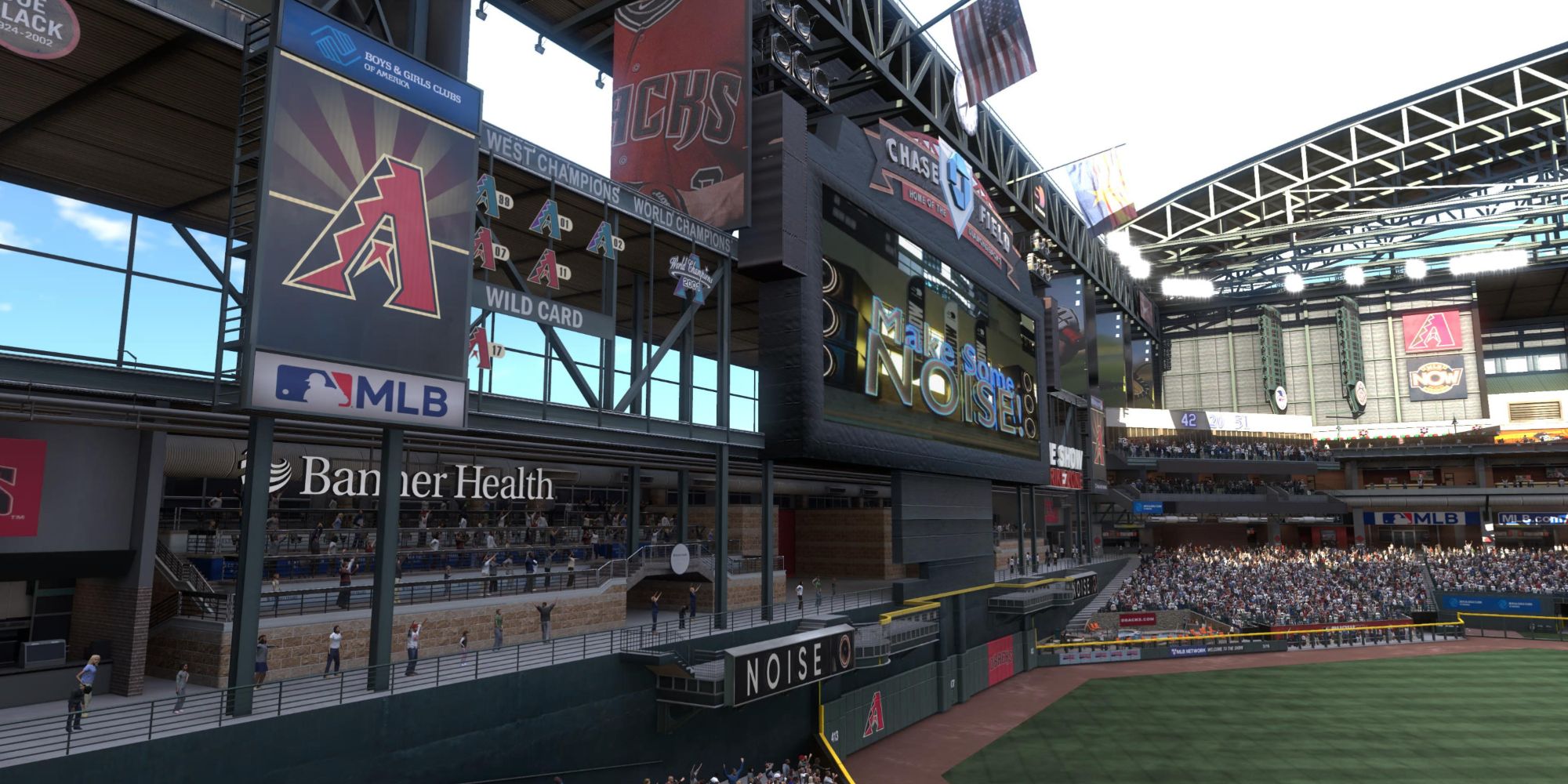
The stadiums are also getting a makeover, with dynamic weather systems that affect gameplay. A wind blowing in from the outfield could turn a routine fly ball into a home run, while a sudden drizzle might turn a slick infield into a defensive nightmare. These details aren’t just window dressing; they’re designed to make every game feel unique, a reflection of the unpredictable nature of baseball itself.
On the audio front, the game is reportedly incorporating spatial audio techniques to immerse players in the soundscape of a live ballpark. The crack of the bat, the umpire’s call, the roar of the crowd—all of it is positioned in 3D space, so you can hear the game as if you were sitting in the stands. It’s a level of immersion that transcends traditional sports gaming, blurring the line between simulation and reality.
The Community Factor: Multiplayer and Shared Experiences
No modern sports game is complete without a robust multiplayer component, and MLB The Show 25 is no exception. The game is expected to introduce a revamped “Franchise” mode, where players can manage every aspect of a team—from trades and contract negotiations to stadium renovations and fan engagement. But the real innovation might lie in the social features, which could allow friends to collaborate on a single franchise, each taking control of different roles (manager, GM, scout) and competing or cooperating to build a championship-caliber team.
The online multiplayer is also rumored to receive a facelift, with a new “Season” mode that pits players against global opponents in a structured, league-based competition. Think of it as a digital minor league, where your performance determines your climb up the ranks. The mode could introduce dynamic challenges, like mid-season trades or injuries, that force players to adapt on the fly. It’s a far cry from the static online playlists of yesteryear, offering a more organic and unpredictable experience.
And let’s not forget the spectator side of things. The game might introduce a “Spectator Mode,” where players can watch AI-controlled games unfold in real time, with commentary and analysis provided by in-game pundits. It’s a feature that caters to the armchair quarterback in all of us, offering a way to engage with the game even when you’re not in the batter’s box.
The Big Unknown: What’s Still Left to Uncover
Despite the deluge of rumors and teasers, MLB The Show 25 on Game Pass remains shrouded in mystery. Will the integration with Game Pass come with any caveats, like timed exclusivity windows or regional restrictions? How will the game handle cross-platform play, especially for those who want to compete against PlayStation players? And perhaps most intriguingly, could this partnership pave the way for other sports titles to join the Game Pass ecosystem?
There’s also the question of monetization. Will MLB The Show 25 introduce new microtransactions, like cosmetic player customization or legacy content packs? Or will the Game Pass integration signal a shift toward a more streamlined, subscription-friendly model for sports gaming? The answers to these questions could redefine the industry’s economic future.
One thing is certain: the fusion of MLB The Show 25 and Xbox Game Pass isn’t just a passing trend—it’s a harbinger of change. Whether it’s the gameplay innovations, the narrative depth, or the sheer accessibility, this partnership promises to deliver an experience that’s as unpredictable as the game of baseball itself. For fans, it’s an invitation to step up to the plate and swing for the fences. The question is no longer whether you’ll play—it’s how deeply you’ll be immersed.