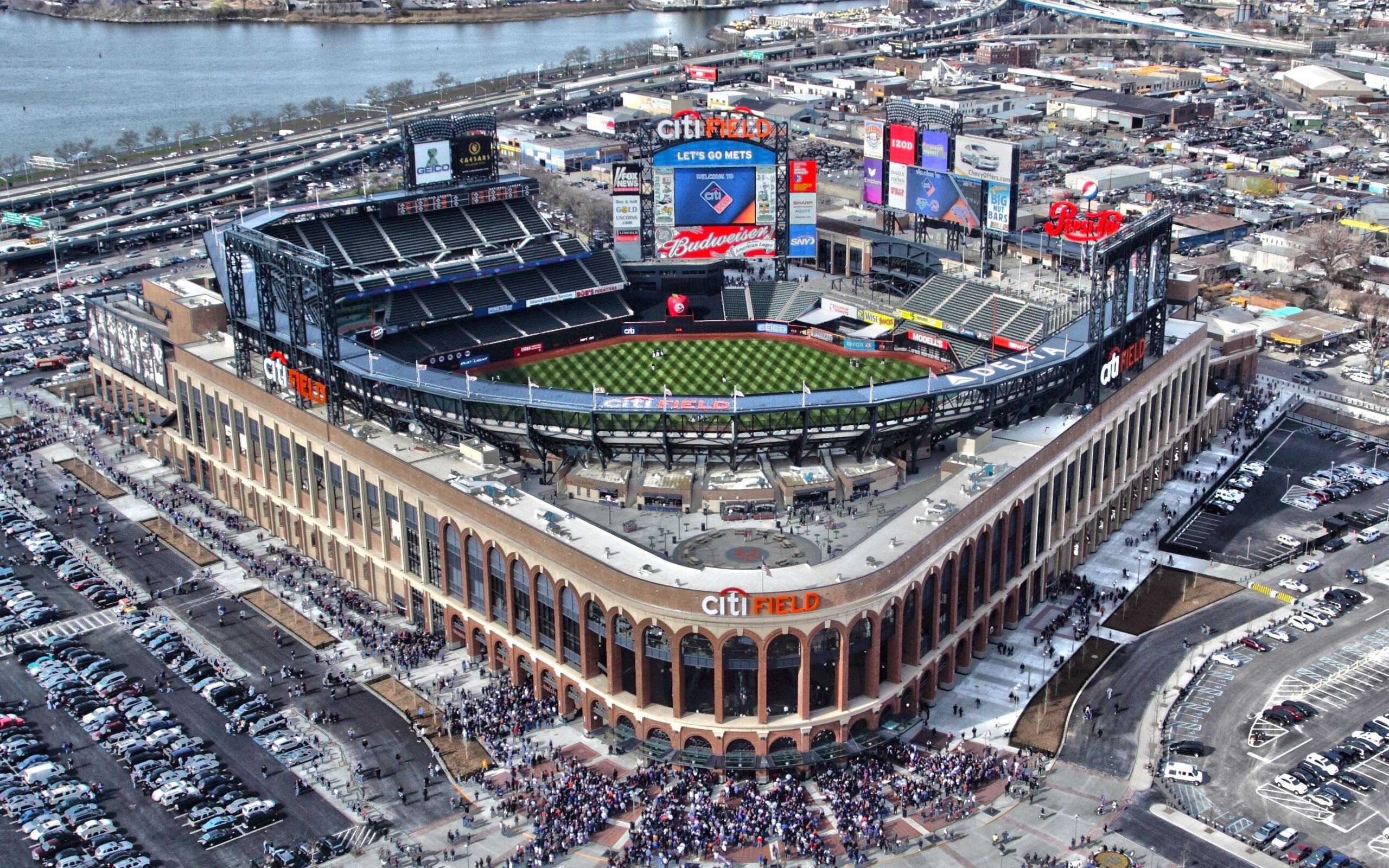
The story of Citi Field is not merely one of steel and concrete rising from the earth—it is a tale of ambition etched into the skyline of Queens, a testament to baseball’s enduring romance with modernity. When the New York Mets abandoned the creaking confines of Shea Stadium in 2009, they didn’t just move to a new ballpark; they stepped into a cathedral of the game’s future, a structure as much a symbol of progress as it is a sanctuary for the faithful. Citi Field, with its sweeping arches and verdant outfield, is more than a venue—it’s a living monument to the Mets’ legacy, a place where the echoes of Tommie Agee’s catches and Mike Piazza’s home runs blend seamlessly with the hum of a new era. To understand when Citi Field was built is to trace the evolution of baseball itself—a journey from nostalgia to innovation, where every brick and beam tells a story.
The Genesis: A Stadium Born from Ashes and Aspiration
Long before the first shovel pierced the soil of Willets Point, the Mets were a team adrift in a sea of outdated grandeur. Shea Stadium, their home since 1964, had become a relic—a concrete monolith that bore the weight of decades of cheers and disappointments. By the early 2000s, the clamor for a modernized home grew louder, a clarion call for a ballpark that could mirror the team’s resurgence. The decision to build Citi Field was not just pragmatic; it was poetic. The Mets, once the underdogs of baseball, were crafting a new identity, one that demanded a stage worthy of their storied past and ambitious future. Construction began in 2006, a symphony of cranes and concrete that would take three years to reach its crescendo. When the gates swung open on April 13, 2009, against the backdrop of a crisp spring evening, it was as if the very air had been holding its breath—ready to exhale into a new chapter of baseball history.
The Architectural Alchemy: Where Tradition Meets the Avant-Garde
Citi Field is not a mere ballpark; it is a masterclass in architectural alchemy, where the timeless elegance of baseball’s golden age collides with the sleek lines of the 21st century. Designed by the firm Populous, the stadium’s most striking feature is its soaring, arched roof—a nod to the grandeur of Ebbets Field, the Brooklyn Dodgers’ lost cathedral. Yet, this is no mere homage. The arches are a bridge between eras, their steel bones whispering of the past while their glass-and-steel facades gleam with the promise of tomorrow. The ballpark’s exterior, clad in limestone and granite, exudes a stately gravitas, while the interior bursts with color and energy, from the lush green of the field to the vibrant hues of the team’s branding. Even the foul poles, painted in the Mets’ iconic blue and orange, stand like sentinels, guarding the sanctity of the game. Citi Field is a paradox—a place where the past is revered, and the future is embraced.
The Field of Dreams: A Canvas for Heroes and Heartbreak
The playing surface of Citi Field is more than a patch of grass; it is a stage where legends are made and dreams are shattered in equal measure. The dimensions of the outfield—335 feet down the left-field line, 415 feet to dead center, 330 feet to right—are a deliberate echo of the Polo Grounds, the Giants’ old home, subtly paying homage to baseball’s heritage. Yet, the field is also a modern marvel, meticulously maintained to ensure a playing surface that is both fast and forgiving, a battleground where speed and power collide. The pitcher’s mound, a humble hill of clay, is the epicenter of drama, where the duel between batter and hurler plays out like a Shakespearean tragedy. And then there’s the Shea Bridge, a pedestrian walkway that spans the outfield, connecting the old and the new—a symbolic thread stitching together the Mets’ past and present. Every crack of the bat, every diving catch, every walk-off homer reverberates through the stadium, a symphony of triumph and heartache that defines the Mets’ spirit.
The Neighborhood: A Microcosm of Queens’ Eclectic Soul
Citi Field is not an island; it is a vital organ of the vibrant, chaotic organism that is Queens. Nestled in the shadow of the Whitestone Bridge, the ballpark is a beacon for fans from every corner of New York City and beyond. The surrounding neighborhood, a tapestry of cultures and cuisines, mirrors the diversity of the Mets’ fanbase. A few steps from the stadium, the aroma of empanadas and dumplings mingles with the scent of hot dogs and peanuts, a culinary chorus that celebrates the melting pot of Queens. The Mets Hall of Fame and Museum, located within the ballpark, is a treasure trove of memorabilia, a pilgrimage site for fans eager to connect with the team’s storied history. And then there’s the Mets’ own fan culture—loud, loyal, and unapologetically blue—a community that transforms the ballpark into a cauldron of noise and passion every home game. Citi Field is more than a stadium; it is a cultural landmark, a gathering place where strangers become brothers and sisters in the name of baseball.
The Future: A Legacy Still Unfolding
To ask when Citi Field was built is to ask not just about a date on a calendar, but about the trajectory of a franchise. Since its opening, the ballpark has witnessed the highs of playoff runs and the lows of rebuilding years, each season adding a new layer to its legacy. The Mets’ investment in Citi Field was not just in bricks and mortar, but in the intangible—creating a home that could inspire a new generation of fans and players alike. The stadium’s design allows for future expansions, a blank canvas ready to be painted with the dreams of tomorrow. Whether it’s the introduction of new technologies to enhance the fan experience or the hosting of events beyond baseball, Citi Field is a living entity, evolving with the times. It stands as a reminder that baseball is not just a game; it is a story that continues to unfold, one inning at a time.
The story of Citi Field is, in many ways, the story of baseball itself—a tale of reinvention, resilience, and the unbreakable bond between a team and its fans. From the first pitch to the final out, the stadium is a witness to history, a silent guardian of moments that will be cherished for generations. To stand in its shadow is to feel the weight of the past and the promise of the future, a place where the echoes of cheers never fade, and the spirit of the game lives on.