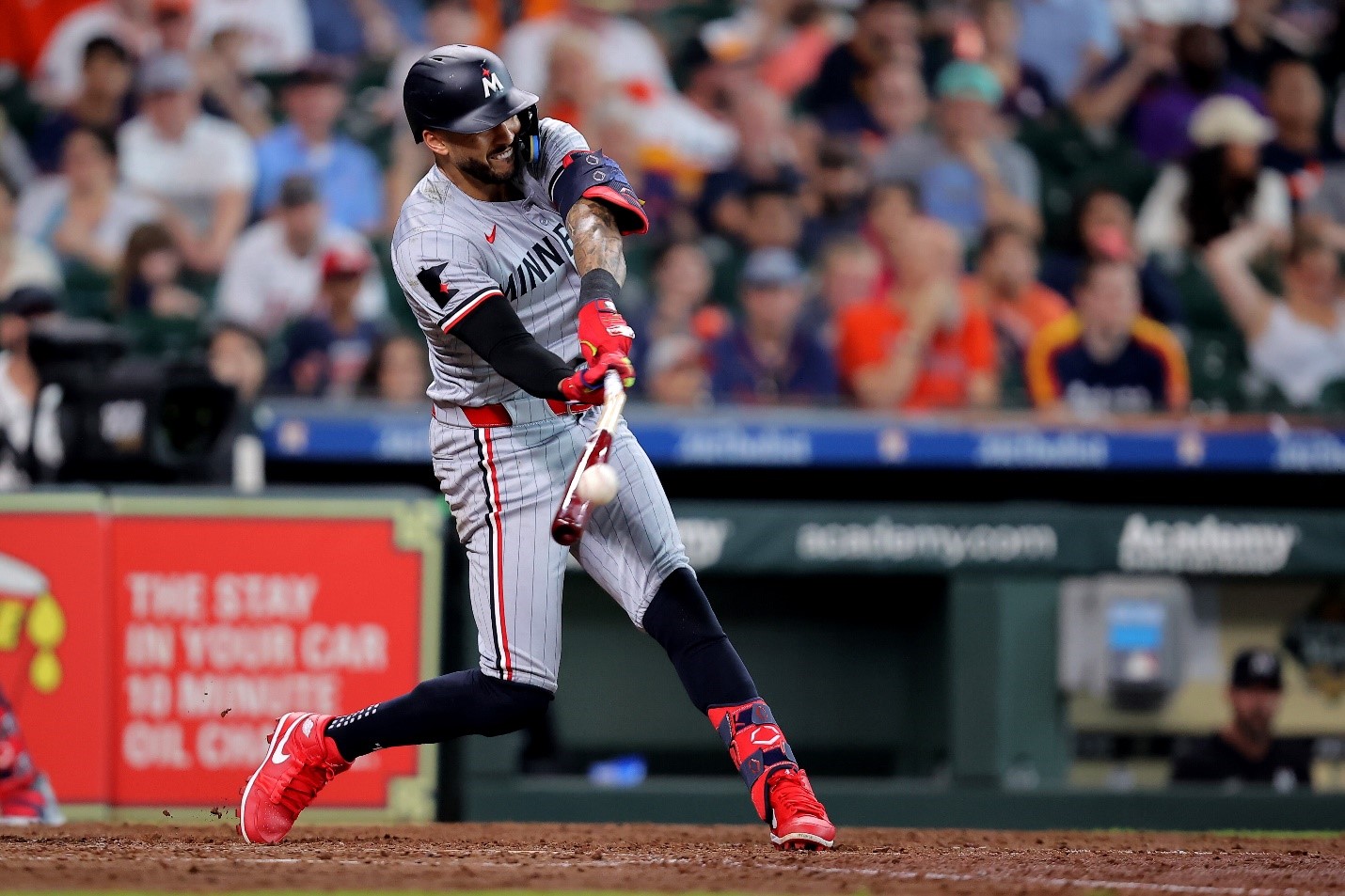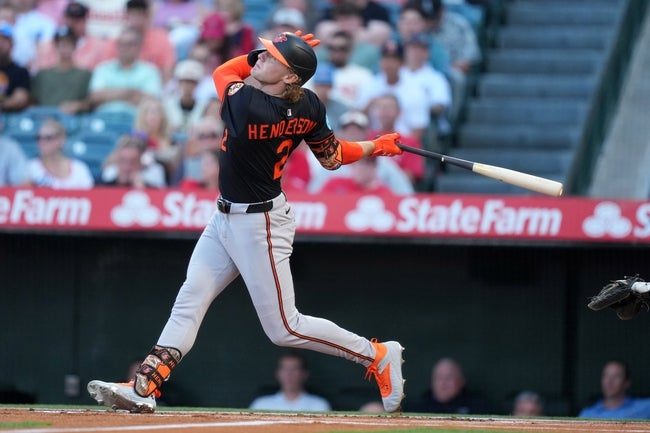
Stepping onto the field of Major League Baseball is akin to navigating a labyrinth where every corridor narrows, and every choice carries monumental weight. The odds of making it to the MLB are not just daunting numbers; they are a testament to the sheer magnitude of talent, grit, and providence required to etch one’s name in the annals of baseball history. This journey, drenched in both relentless pursuit and improbable miracles, reveals a brutally honest story about the rarefied air of professional sports and the unique allure that baseball commands.
The Vast Ocean of Aspiring Players
Baseball, often romanticized as America’s pastime, attracts a tidal wave of hopefuls from all corners of the globe. Youth leagues brim with energetic kids swinging wooden bats with dreams as grand as the stadium lights illuminating the major leagues. However, these aspirations are met by overwhelming competition. Out of the millions who unlace their cleats each season in high schools, colleges, and amateur leagues, just a fraction sail into the professional realm. The ocean of talent is vast, but the entrance to the MLB—like a narrow strait—permits only a handful to pass through.
The Gauntlet of Minor Leagues
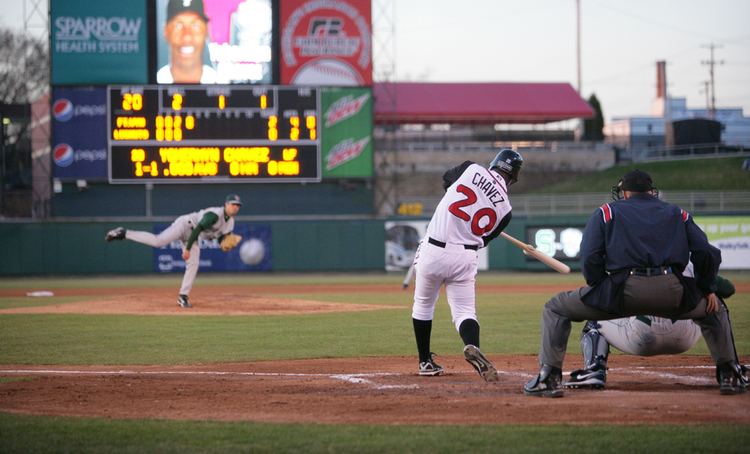
For the vast majority, the dream begins not under the bright lights of packed stadiums but in the grueling grind of the minor leagues. These crucibles serve as both proving grounds and purgatories. Players face exhaustive travel, modest paychecks, and relentless evaluations. Every at-bat, every pitch is dissected by scouts and coaches who hold the keys to the next level. The minor leagues are a crucible of attrition where physical endurance and mental fortitude are taxed endlessly. Ascending through rookie ball, Single-A, Double-A, and Triple-A is akin to climbing a steep mountain with treacherous footing, where slipping can mean the end of a dream.
The Statistical Reality: A Needle in a Haystack
Numbers illuminate the stark reality: less than 1% of high school baseball players ever don an MLB uniform. To be exact, the journey from amateur to professional is littered with rejection. Even among college players, who often have superior skills and exposure, fewer than 10% are drafted, and only a fraction of those make it to the majors. The MLB draft itself serves as a sieve, filtering talent through rounds and rounds of selections, with early picks often heralded as golden tickets. But being drafted is merely an entry; conversion into a major league player is a separate battlefield.
The Unique Appeal of the MLB Journey
What makes the journey to MLB uniquely captivating is not merely the destination but the odyssey itself. Each player harbors stories of obscure summer leagues, arduous training regimens, and monumental sacrifices—both personal and financial. The allure stems from the synthesis of raw talent, relentless hustle, and a dash of serendipity. Baseball’s tradition and history cast a long shadow, adding mystique and gravitas to the achievement. The crack of the bat, the scent of fresh-cut grass, and the roar of the crowd are not just sensory experiences but rites of passage into an exclusive fraternity.
Barriers Beyond Talent: The Human Element
Raw skill alone is insufficient. The path to MLB demands psychological resilience to withstand injury setbacks, slumps in performance, and the mental strain of uncertainty. Many promising players encounter career-ending injuries or are derailed by inconsistency in crucial moments. The human capacity to adapt, learn, and persevere becomes as vital as natural ability. Moreover, external factors such as timing, team needs, and even luck wield intangible influence on a player’s fate. This human element adds layers of complexity to the already steep odds, making success as much about character as capability.
The Role of Development and Opportunity
Player development plays an indispensable role in transforming raw prospects into MLB-ready athletes. Coaching, access to high-caliber facilities, and exposure to competitive environments weigh heavily on progression. In recent years, the advance of analytics and technology has reshaped evaluation processes, sometimes favoring players who adapt to data-driven trends. Opportunity, however, remains contingent on factors often beyond control, such as organizational depth charts or front office philosophies. Timing the perfect convergence of skill readiness and organizational need can be the decisive turning point that unlocks a major league career.
The Myth and Reality of “Making It”
To “make it” to the MLB is frequently perceived as the culmination of lifelong ambition, yet this milestone only marks the beginning of enduring challenges. Many debutants experience a brief taste of the majors before returning to the minors or exiting professional baseball altogether. The league’s competitiveness means sustaining a career often demands constant evolution and resilience. Achieving permanent status requires a fusion of consistent performance, health, and adaptability. The brutal reality is that for many, their major league tenure is a fleeting glimmer overshadowed by the countless hours, sacrifices, and setbacks endured.
Conclusion: Honoring the Journey Amidst the Harsh Odds
The odds of making it to Major League Baseball form a crucible in which dreams are tested and only the exceptional endure. This arduous passage is marked by relentless competition, unforgiving statistics, and unpredictable human factors. Yet, the unique appeal of this journey lies not solely in epic triumphs but in the tales of tenacity and passion that underscore every player’s path. Each step—whether triumphant or truncated—epitomizes a dance with destiny amid the sprawling mosaic of America’s national pastime. For those who dare navigate this labyrinth, the MLB is more than a league—it is the apex of a dream sculpted through sweat, sacrifice, and unyielding hope.