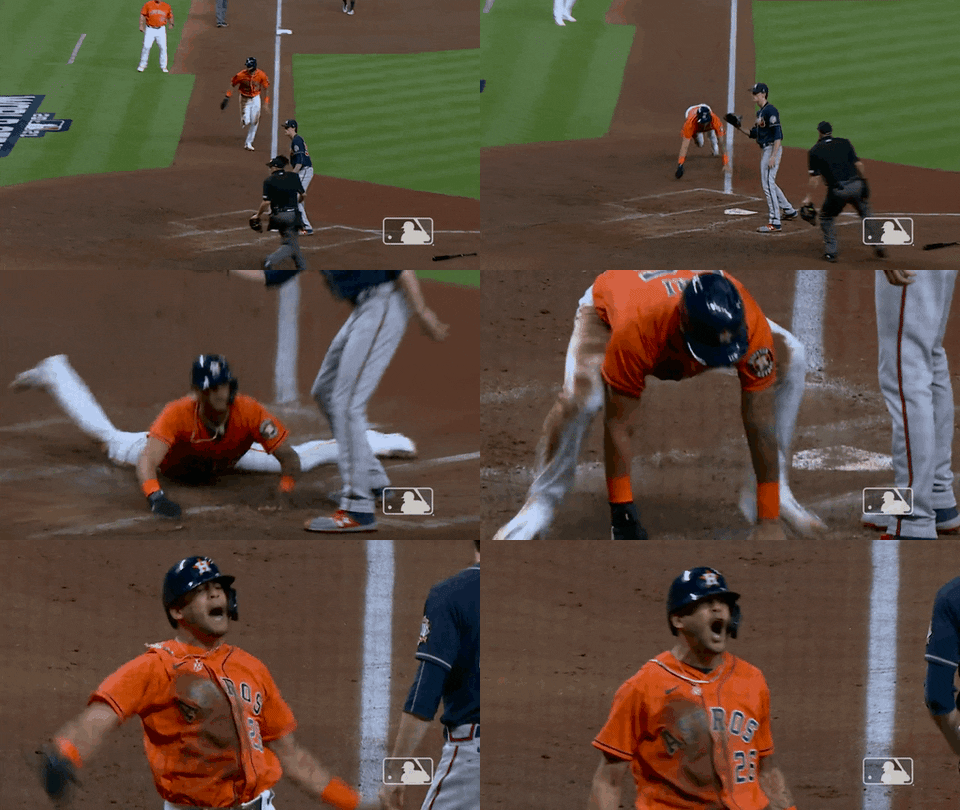
In the realm of sports, few spectacles evoke as peculiar a reaction as the slow rhythm of a 1-0 baseball game. For some, it is a challenge to maintain focus, a test of patience amid stretches of minimal action. Yet, for others, it is a captivating narrative, a silent duel pregnant with nuance and anticipation. The seemingly monotonous cadence belies a deeper sophistication — a meticulous chess match between pitcher and batter, a canvas where subtlety triumphs over spectacle. This article explores the enigmatic allure of low-scoring baseball contests, particularly those that end in a slender 1-0 margin, unveiling the layers of fascination beneath their so-called boredom.
The Paradox of Stillness: Understanding the Allure of Low-Scoring Games
At first glance, a 1-0 baseball game appears void of excitement. With few runs scored and limited action, it can feel ponderously slow, especially when juxtaposed against fast-paced, high-scoring sports. However, this very stillness engenders an atmosphere thick with tension — every pitch becomes laden with consequence. The scarcity of runs magnifies the importance of each play, establishing a heightened state of vigilance in players and fans alike. Rather than distraction by frequent lead changes or flamboyant displays, spectators immerse themselves in the intricate styles of pitching, strategic positioning, and split-second decisions.
This paradox — where inactivity breeds engagement — exemplifies baseball’s unique charm. It compels a reconfiguration of how excitement is perceived, inviting aficionados to appreciate the minute details often eclipsed in more frenetic games. The slow unfolding allows for a meticulous observation of player psychology, endurance, and improvisation, transforming the contest into a study of human will and precision.
Pitching Mastery: The Silent Duel at the Heart of a 1-0 Game
The pitcher in a 1-0 affair is the linchpin around which the game revolves. Their dominance encapsulates control, precision, and resilience, crafting an invisible fortress that frustrates the offensive onslaught. This duel, often described as a ‘cat-and-mouse’ encounter, showcases the profound mental and physical artistry of pitching. Each pitch is a carefully calculated gambit; whether a sinking fastball, a deceptive curve, or an off-speed slider, it is designed to confound the batter’s timing and expectations.
In such tightly contested games, the pitcher’s stamina and ability to adapt to batter tendencies become paramount. Moments of vulnerability are rare and heavily scrutinized. The accumulation of strategic data through multiple innings offers a narrative of evolving tactics and countermeasures. Appreciators witness a silent narrative — a sequence where every strikeout or well-placed pitch rewrites the unfolding drama without the need for extravagant fanfare.
The Strategic Ballet: Defense and Game Management
Beyond pitching, a 1-0 game is a testament to the defensive prowess and strategic discipline embedded in baseball’s DNA. Outfielders remain alert to the slimmest hint of a gap, infielders anticipate bunts or stolen base attempts, and catchers orchestrate pitchers’ arsenals with nuanced signals. The game morphs into a ballet of movements where each player’s focus is razor-sharp, every step choreographed to minimize risk.
Managers also play a crucial role, wielding line changes, defensive shifts, and bullpen deployments with surgical precision. Each substitution or tactical adjustment can be the fulcrum upon which the game tilts. These behind-the-scenes manipulations add further layers to the spectacle, inviting spectators to appreciate baseball as a cerebral contest as much as a physical one.
The Psychological Intensity: Pressure Cooked in Slow Motion
In the context of a 1-0 scoreline, psychological factors acquire profound significance. The weight of each moment intensifies as opportunity narrows. Players confront mounting pressure to capitalize on rare chances while avoiding mistakes that could unravel their efforts. This psychological crucible fuels heightened concentration and resilience.
For the batter, a single mistake can nullify innings of patient observation, a misjudged swing handing momentum to the opposition. For the pitcher, any lapse in focus or form spells impending doom. This mental warfare engenders an immersive tension that can eclipse the physical aspects of the game. The slow tempo allows for the accumulation of pressure, crafting an emotional crescendo that captivates those attuned to it.
Historical Resonance and Cultural Significance
Baseball’s rich history is strewn with iconic 1-0 games that have transcended the sport, entering the vernacular of drama and tenacity. Such contests exemplify the purity of competition, highlighting that victory need not be embellished with high scoring or dramatic flair to be memorable. Their legacy offers a reminder of baseball’s roots, where strategy and endurance often outweighed sheer athleticism.
Culturally, these games evoke a nostalgic connection to the pastime’s bygone eras, when long summer days were given over to patient watching and communal enjoyment. This nostalgia enriches modern appreciation, positioning 1-0 games as living relics within the rapidly evolving world of sports entertainment.
The Fan Experience: Finding Beauty in Restraint
Fans of baseball, especially those deeply invested in its minutiae, find beauty in the restraint intrinsic to 1-0 games. The lack of barrage scoring invites a different form of engagement — one that values insight over impulse. These games inspire shared whispers of speculation in stadiums and impassioned discussions among followers, breathing life into what might superficially be considered inactivity.
The experience cultivates patience and rewards attentiveness. It invites fans to become students of the game, learning to read body language, anticipate tactical shifts, and savor the crescendo of rare but decisive moments. In this way, the “boredom” often cited becomes a gateway to deeper appreciation and emotional investment.
Conclusion: Embracing the Elegance of Subtlety
The beauty of a 1-0 baseball game lies not in explosive action, but in its cultivated subtlety. It is a narrative of margins and moments — a theater where fine margins define outcomes, and silence amplifies meaning. By embracing the seemingly “boring,” one uncovers a layered spectacle rich in strategy, psychology, and heritage. Thus, the quiet drama of a 1-0 game stands as a testament to baseball’s capacity to mesmerize beyond mere scoreboard tallies, celebrating the intricate artistry that makes America’s pastime enduringly fascinating.