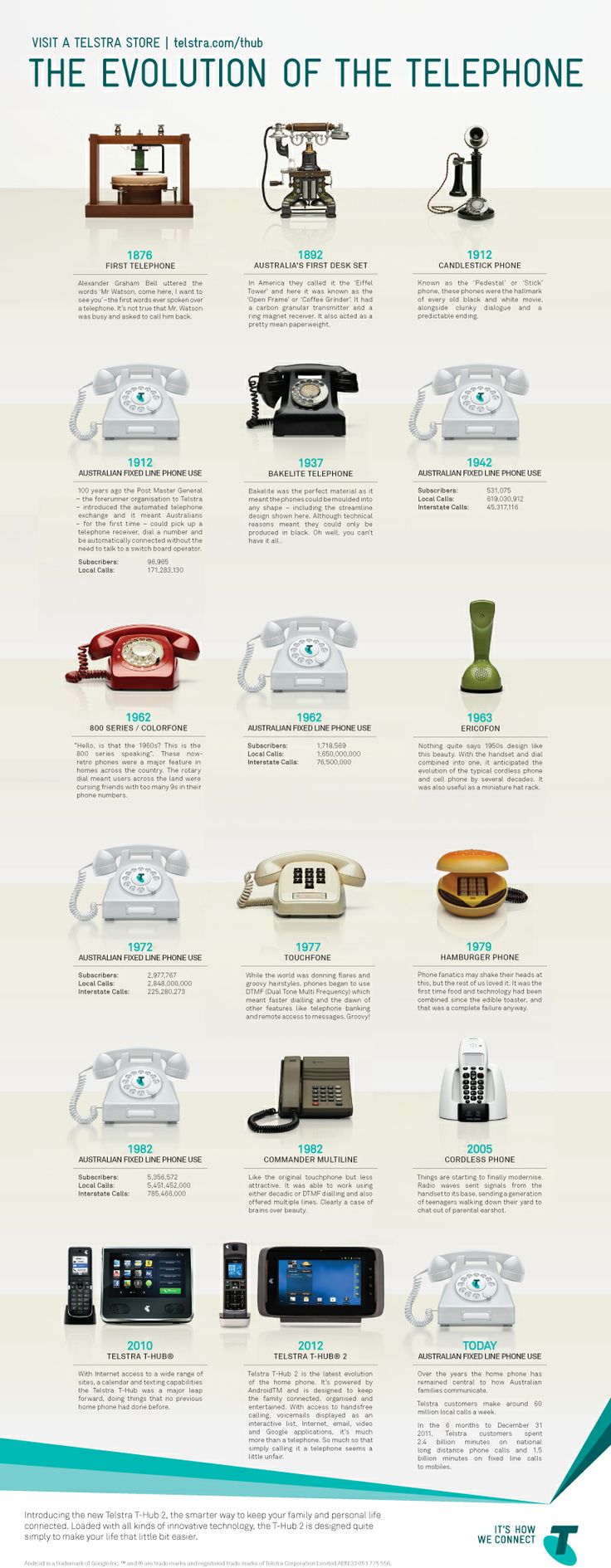
In the frequently unseen corners of the baseball diamond lies a vital nerve center: the dugout phone. This seemingly unremarkable piece of equipment has witnessed a profound transformation, echoing the broader evolution of communication technology within Major League Baseball (MLB). From rotary dial handsets tethered by cords to sleek, modern-day iPhones, the dugout phone reflects the inexorable march of progress, fundamentally altering how teams strategize and communicate during the heat of competition. This exploration delves into the fascinating journey of the dugout phone, illuminating its technological metamorphosis alongside its impact on the game itself.
The Dawn of the Dugout Phone: Rotary Beginnings
In the early days of professional baseball, communication between the dugout and other key areas of the stadium was rudimentary at best. Dugout phones initially adopted the rotary dial technology ubiquitous in the mid-20th century. These phones were tethered to fixed lines, with circular dials used to connect to the press box, bullpen, or coaching staff box. The rotary mechanism, slow by today’s standards, symbolized the first concerted effort to bridge physical and tactical distances on the ballfield.
This was a time when communication was deliberate and measured. The sheer mechanical nature of the rotary dial necessitated pauses, which proved instrumental in fostering patience and precision. Calls often conveyed concise instructions — tactical pitching changes, defensive adjustments, or assessments of weather conditions. While lacking in speed and flexibility, these phones forged a new paradigm, replacing tedious in-person message relays with instant (albeit somewhat slow) verbal exchanges.
The Advent of Push-Button Telephony: Enhancing Responsiveness
The subsequent era saw the introduction of push-button phones within MLB dugouts. These devices supplanted the rotary dials with numbered buttons, exponentially reducing connection times and frustrating misdials. This evolutionary step was not just technological—it was psychological. Coaches and managers could now communicate more swiftly, fostering a heightened sense of urgency and dynamism in play-calling.
Additionally, push-button phones increased reliability, offering clearer sound quality and less susceptibility to mechanical wear. The immediate benefit was an acceleration in real-time data exchange, empowering dugout personnel to swiftly adapt to unfolding situations, such as substituting pitchers amidst mounting pressure or realigning field strategies based on opponent tendencies.
Integration of Wireless Communication: Breaking Free from Cords
The cumbersome tether of the corded phone inevitably led to the embrace of wireless communication technologies. In the late 20th century, MLB teams began incorporating advanced wireless phones and radio systems, liberating players and coaches from the constraints of fixed positions. This newfound mobility amplified situational awareness and tactical fluidity in unparalleled ways.
Wireless phones enabled dugout staff to receive messages without needing to be confined to a designated spot. Coaches could declutter their benches physically and mentally. Moreover, this enhanced freedom fostered discreet communication channels, an advantageous asset when strategizing against competitive adversaries. The mobile nature of these devices began to redefine the operational choreography of the dugout, augmenting both efficiency and adaptability.
Digital Revolution: From Landlines to Smartphones
The digital revolution heralded the arrival of smartphones in MLB dugouts, dramatically expanding communication capabilities far beyond traditional phone calls. iPhones and their contemporaries introduced multifaceted tools—email, instant messaging, video review capabilities, and access to comprehensive statistical databases—all readily accessible at the touch of a screen.
The smartphone’s capability to synthesize vast swaths of real-time data revolutionized decision-making frameworks. Coaches could now analyze pitch-by-pitch metrics, draw up situational charts, and share instant video replays, thus enriching strategic deliberations with empirical rigor. This evolution bridged the analytical rigor of front office operations with the immediacy of in-game tactical adjustments.
Consequently, the dugout phone morphed into a multifunctional communication hub. Beyond basic calls, it became a conduit for instant information exchange, amplifying a manager’s ability to respond dynamically to the evolving game environment.
Security and Confidentiality: Technology and Competitive Integrity
With enhanced technological sophistication came increased concerns over security and confidentiality. Smartphones brought connectivity but also vulnerability to interception or digital espionage. MLB instituted rigorous protocols to safeguard communication channels, utilizing encrypted messaging platforms and secure wireless networks within stadiums.
This heightened vigilance underscores the strategic sensitivity encapsulated within dugout communications. Every conversation holds potential competitive leverage, necessitating robust encryption methods and secure infrastructures. The evolution from rotary dials to encrypted smartphones parallels a heightened sophistication in preserving competitive integrity and maintaining fairness on the field.
The Future of Dugout Communication: Emerging Technologies and Innovations
Looking forward, the dugout phone is poised for further metamorphosis. Emerging technologies such as augmented reality (AR), artificial intelligence (AI), and 5G connectivity promise to propel dugout communications into an unprecedented realm. Imagine real-time AI-powered analytics offering predictive insights during pitching changes or AR interfaces allowing coaches to visualize defensive alignments overlayed onto the field.
Additionally, ultra-low latency communications will ensure seamless interaction across vast stadium spaces and even among remote coaching staff. Integration with biometric sensors and wearable technology could allow instantaneous health monitoring communicated directly through dugout devices, informing decisions about player substitutions or pitch limits.
These pioneering advancements will not only redefine functionality but also revolutionize the very ethos of in-game strategy, enhancing the symbiosis between human intuition and technological augmentation.
The Cultural Impact of Dugout Phones on Baseball
Beyond technological evolution, the dugout phone serves as a cultural artifact within baseball’s rich tapestry. It symbolizes the constant tension between tradition and innovation, a tangible reminder of the game’s enduring quest for competitive edge while respecting its storied past.
Players and managers have long viewed the dugout phone as an emblem of connection—a vital link among teammates, coaches, and the larger coaching ecosystem. The transition from rotary phone to iPhone also mirrors broader societal transformations in communication habits and technological adoption. The dugout phone’s evolution reflects shifting paradigms of leadership, collaboration, and information dissemination that resonate far beyond the diamond.
Conclusion: A Communication Nexus Reflecting Baseball’s Evolution
Tracing the dugout phone’s trajectory from the rotary dial era to the sophistication of contemporary smartphones reveals more than just technological advancement. It encapsulates changing philosophies of communication, strategic management, and adaptability within Major League Baseball. The dugout phone is no longer a simple tool; it is an indispensable nexus where tradition meets innovation, where on-field instincts intertwine with digital precision. As baseball continues to evolve, so too will the methods by which its players and leaders communicate—ever striving for clarity, speed, and competitive advantage.