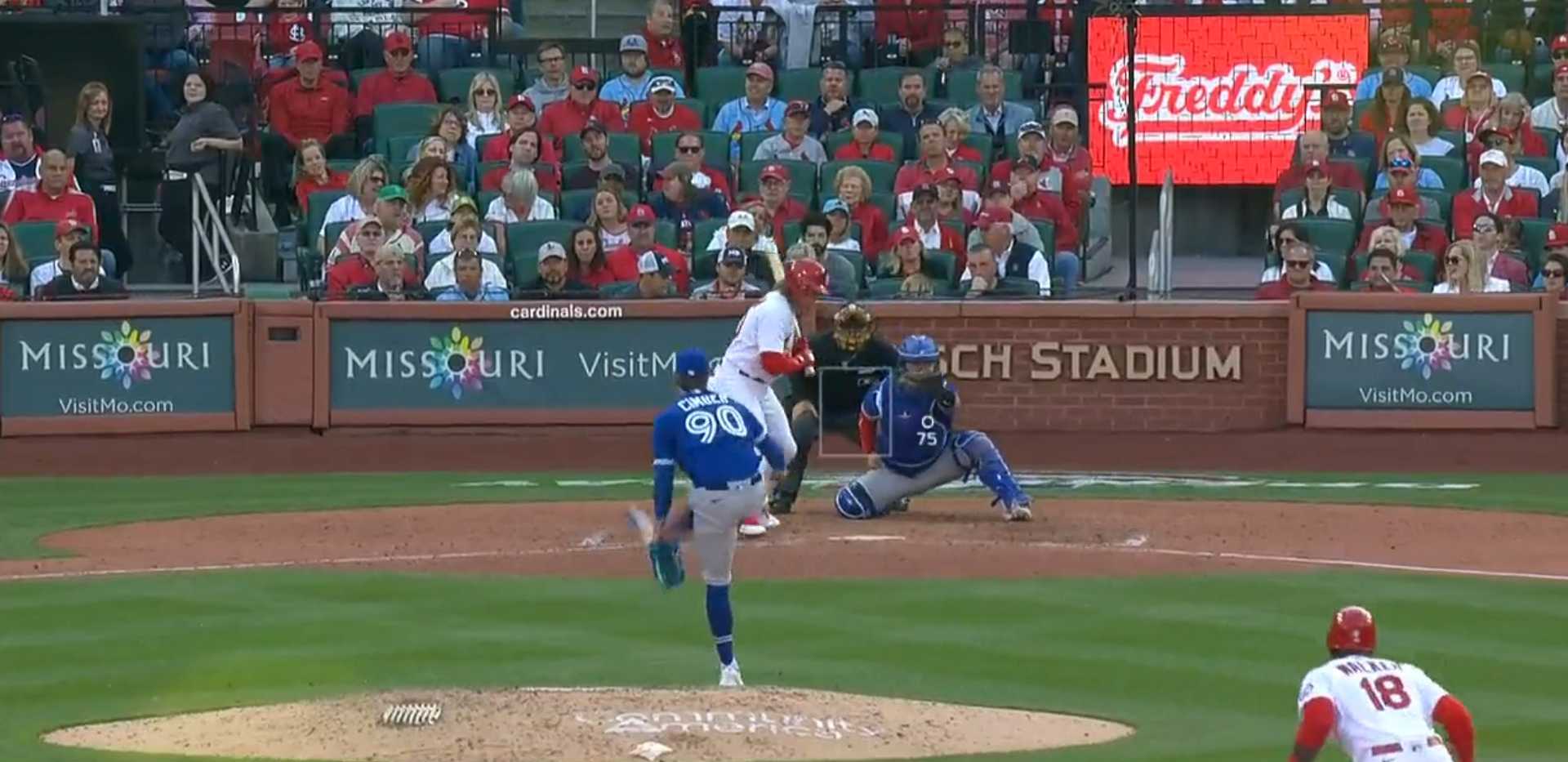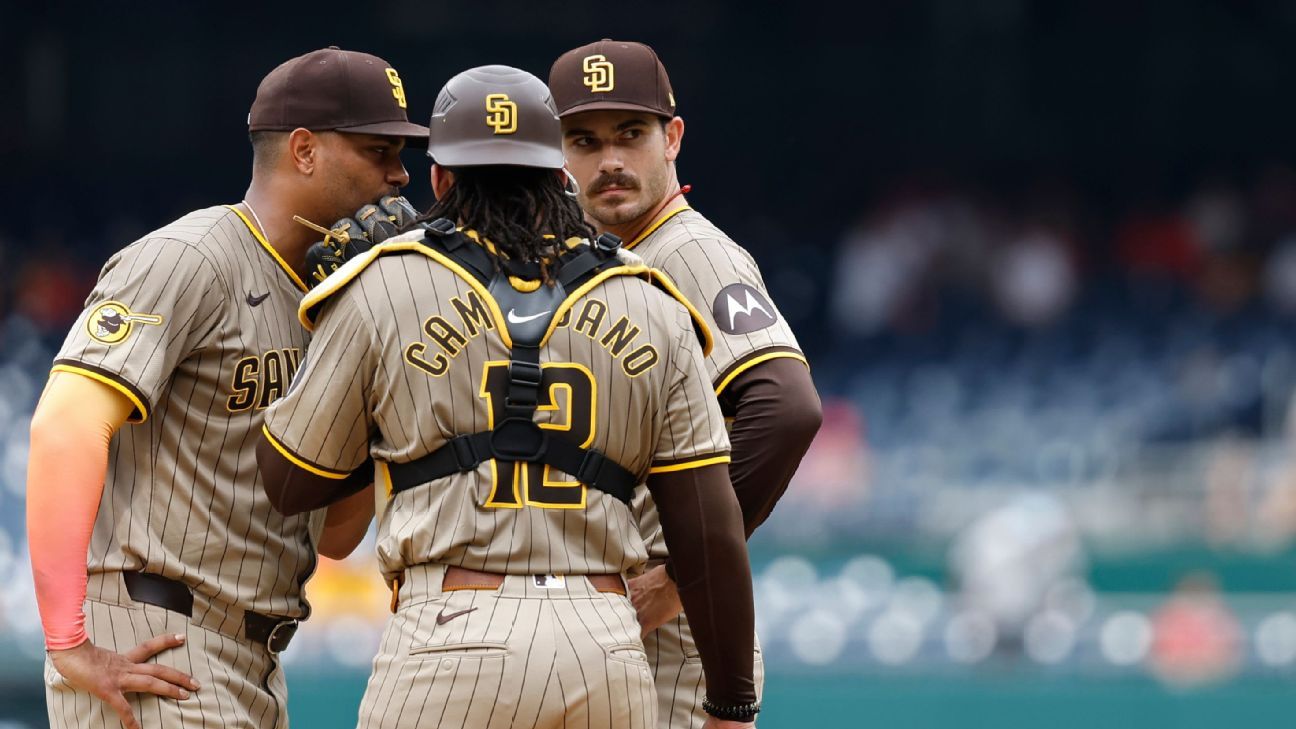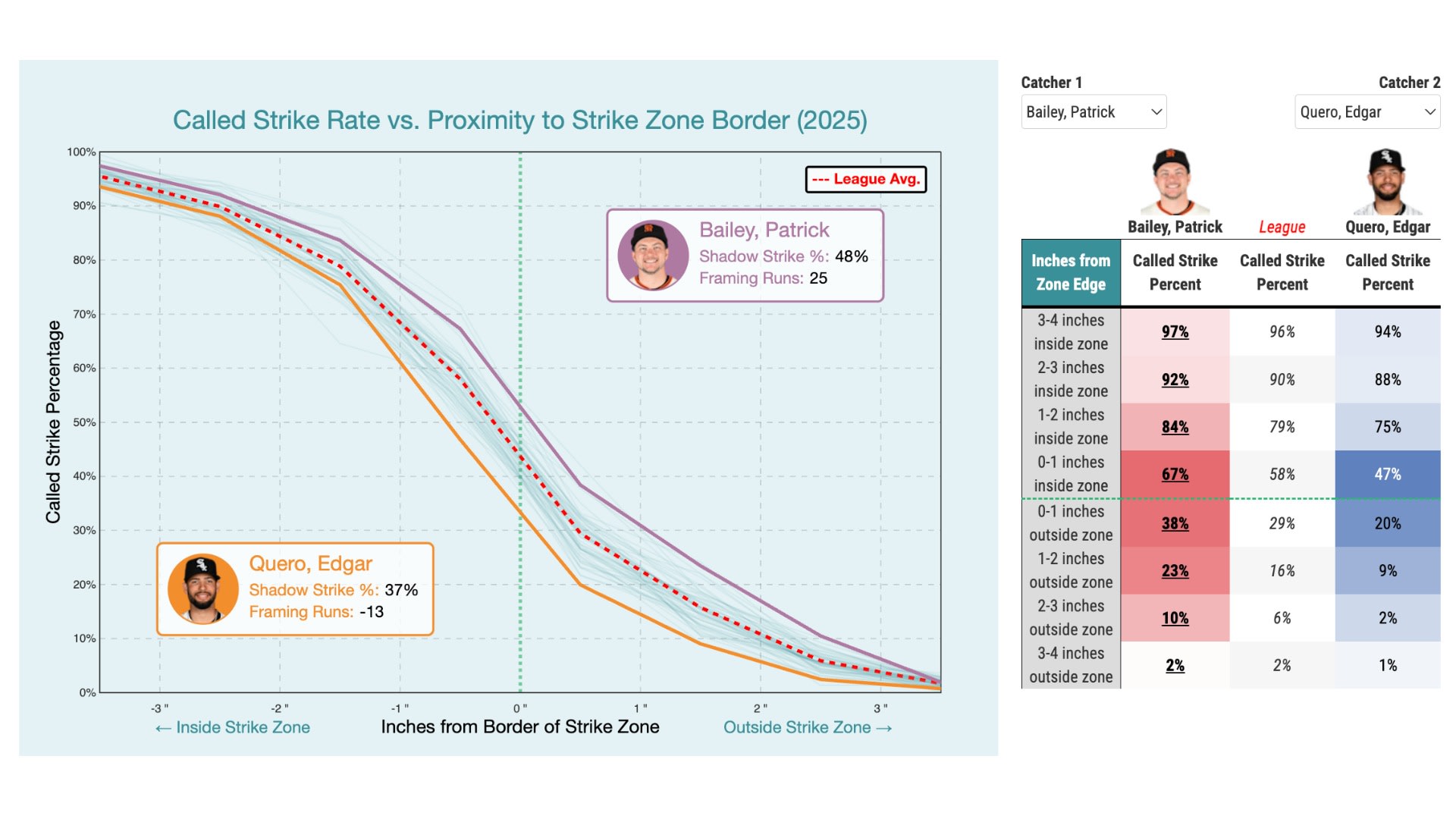
The art of catcher framing in baseball is a silent symphony of deception and precision, where the unsung heroes of the diamond transform mediocrity into magic with a flick of the wrist. It’s the baseball equivalent of a magician’s sleight of hand—except instead of pulling rabbits from hats, these backstops conjure strikes from the ether, bending the very fabric of the umpire’s perception. Yet, for all its mystique, framing remains one of the most underappreciated facets of the game, a shadowy dance where the catcher’s glove becomes the ultimate arbiter of fate. This is the story of the “Framing Runs” catcher: the defensive virtuoso who doesn’t just steal pitches but steals games, all while swinging a bat that might as well be made of lead.
The Alchemy of Framing: Turning Air into Strikes
Framing is not merely about catching the ball—it’s about persuasion. A catcher’s glove is both shield and scepter, wielded with the finesse of a courtier and the cunning of a con artist. The best framers don’t just receive pitches; they choreograph them, guiding the umpire’s gaze with the subtlety of a painter’s brushstroke. A low and outside pitch isn’t just caught—it’s *presented* as a strike, its trajectory gently nudged into the realm of legitimacy by the catcher’s glove. It’s a form of optical illusion, where the umpire’s brain is tricked into seeing what isn’t there.
Consider the physics of it: a 95-mph fastball arrives in less than half a second, yet the catcher must manipulate its perceived path in the span of a blink. The glove doesn’t just stop the ball—it *redefines* it. This is the catcher’s paradox: the less the ball moves, the more the umpire believes it was always meant to be a strike. It’s a game of psychological judo, where force is replaced by finesse, and brute strength bows to the art of suggestion.
The Silent War Behind the Plate
Behind every framing mastermind lies a battlefield where umpires are the unwitting generals. The catcher’s glove is their weapon, and the strike zone is the contested territory. Umpires, bound by the rigid laws of the game, are still human—susceptible to the same optical illusions that plague us all. A catcher who understands this can exploit it, turning the strike zone into a malleable illusion rather than a fixed boundary. It’s a psychological arms race, where the catcher’s glove is the ultimate psychological weapon.
This silent war is fought in milliseconds. A catcher might subtly shift his glove forward at the last instant, making a borderline pitch appear more hittable than it was. Or he might hold his glove steady, letting the umpire’s eyes linger just long enough to convince them the pitch was in the zone. The best framers don’t just catch the ball—they *negotiate* with it, turning borderline pitches into strikes through sheer force of will.
The Unseen Cost: When Defense Outweighs Offense
Yet for all its brilliance, framing comes with a hidden price. The catcher who dedicates himself to this craft often does so at the expense of his bat. The same hands that work miracles behind the plate may struggle to muster even a glancing contact at the dish. It’s a cruel irony: the defensive savant who can steal strikes with a flick of the wrist might be the same player who whiffs at pitches he should be driving into the gap. The “Framing Runs” catcher is a paradox—a defensive virtuoso whose offensive contributions are as substantial as a paper umbrella in a hurricane.
Teams that prioritize framing over hitting often find themselves in a bind. Do they sacrifice offensive production for the sake of run prevention? It’s a question that haunts front offices, where the allure of defensive metrics can blind even the most discerning evaluators. A catcher who posts a .220 batting average but saves 20 runs through framing might be more valuable than one who hits .280 but costs his team runs with errant throws and passed balls. Yet, in a league obsessed with slugging percentages and OPS+, the framing catcher remains an enigma—a defensive savant in a world that worships offensive firepower.
The Evolution of Framing: From Art to Science
Framing was once the domain of instinct and intuition, a skill passed down through generations of catchers like a family heirloom. But in the modern era, it has been dissected, analyzed, and quantified to an unprecedented degree. Advanced metrics like *Framing Runs* (hence the name) and *Catcher’s ERA* now measure a catcher’s impact in runs saved, turning what was once an intangible into cold, hard numbers. Teams now employ video analysts to dissect every pitch, every glove movement, every subtle shift in the catcher’s posture.
This evolution has democratized the art of framing. No longer is it the exclusive domain of grizzled veterans who learned the craft through decades of trial and error. Young catchers now enter the league with a playbook of framing techniques, their gloves honed by data and their movements refined by biomechanical studies. The result? A new breed of catcher who combines the instincts of a seasoned pro with the precision of a mathematician. Yet, even as framing becomes more scientific, its essence remains an art—one that cannot be fully captured by spreadsheets and algorithms.
The Human Element: The Catchers Who Defy the Numbers
For all its quantifiable benefits, framing is still, at its core, a human endeavor. The best framers possess an almost supernatural ability to read umpires, to anticipate their biases, and to exploit them with surgical precision. Some catchers have an innate sense for the strike zone, a sixth sense that allows them to manipulate the umpire’s perception without even thinking. Others rely on sheer repetition, their gloves moving in perfect harmony with the umpire’s expectations.
Take, for example, the catcher who can turn a pitch that’s clearly below the zone into a strike with nothing more than a slight tilt of the wrist. Or the one who, through sheer force of personality, convinces an umpire that a pitch that missed by a mile was actually a borderline strike. These are the catchers who transcend the numbers, whose impact cannot be fully captured by metrics alone. They are the magicians of the game, the ones who make the impossible seem routine.
The Future of Framing: A Double-Edged Sword
As baseball continues to evolve, so too does the role of the framing catcher. With the advent of automated strike zones and robot umpires looming on the horizon, the art of framing may soon become a relic of a bygone era. Yet, even as technology threatens to render it obsolete, framing remains a testament to the human element of the game. It’s a reminder that baseball is not just about numbers and metrics—it’s about artistry, deception, and the sheer will to bend the rules of reality to your advantage.
For now, the “Framing Runs” catcher stands as a testament to the beauty of the game’s hidden intricacies. He is the defensive savant, the silent warrior, the magician behind the plate. And though his bat may never justify his defensive value, his glove tells a story that transcends statistics—a story of cunning, precision, and the relentless pursuit of an edge in a game where every run is hard-won.