Mastering the art of fielding in baseball requires more than just raw talent; it demands precise technique, relentless practice, and a deep understanding of the nuances of glove work. Among the pantheon of defensive wizards in Major League Baseball, Andrelton Simmons stands out as a paragon of glove mastery. His fluidity, lightning-quick reflexes, and impeccable footwork have become the benchmark for aspiring infielders worldwide. This article delves into a transformative glove work drill that can elevate a player’s defensive prowess, cultivating skills reminiscent of Simmons’ gold-glove caliber performance.
Understanding the Essence of Glove Work
At the core of exceptional defense lies the intimate relationship between the athlete’s hand and the glove itself. Glove work isn’t merely about catching the ball—it’s about anticipation, subtle hand adjustments, and seamless transitions. Excellence in these realms enhances reaction time and improves ball security on every play. Developing such fluidity requires drills that hone both the tactile sensitivity and muscular coordination unique to baseball’s infield positions.
The glove acts as an extension of the hand, and through repetitive, focused drills, players develop muscle memory that enables instantaneous and instinctive movements during game situations. The capacity to read a ball off the bat, judge its trajectory, and react accordingly separates the elite from the average. This drill fosters that very synchronicity, imbuing players with the confidence and precision that define Simmons’ defensive style.
The Anatomy of the Drill: Precision and Agility
This glove work drill is designed to engage multiple facets of an infielder’s skill set — from lateral mobility and hand-eye coordination to rapid glove snap and clean exchanges. The workout begins with a series of ground balls hit sharply at various angles across the infield. However, what sets this drill apart is a focus on controlled, purposeful glove positioning and finger articulation rather than merely scooping up the ball.
Incorporating varying grip pressures and glove orientations, the drill challenges players to adapt instantaneously. The key is active glove manipulation—adjusting the pocket to funnel the ball into the pocket gently but securely, much like how Simmons appears to caress the ball with his mitt. This engagement refines tactile responsiveness and cultivates a fluidity between glove and hand.
Each repetition is broken down into stages: initial read, precise foot placement, glove alignment, pocket adjustment, catch execution, and transfer. Practicing these components deliberately helps in machining muscle memory, enabling the reflexes that make Simmons’ range and soft hands look effortless on the diamond.
Enhancing Reaction Time with Reactive Touch Exercises
One of the defining characteristics of Simmons’ defense is his near-telepathic reaction to the ball’s unpredictable movements. To foster this omnipresent readiness, the drill incorporates rapid-fire reactive touch exercises utilizing tennis balls or smaller, irregularly bouncing balls.
These exercises heighten neurological responses by forcing players to anticipate erratic bounces and respond with split-second glove adjustments. Repeated exposure to these unpredictable stimuli ingrains heightened sensory awareness and joint flexibility in the fingers and wrist—critical elements in simulating the reactions Simmons showcases on fly balls, line drives, and choppers alike.
This aspect of the drill also emphasizes the importance of soft hands—absorbing the ball’s impact without flinching and minimizing the risk of it popping out. By focusing on controlled softness and active glove engagement during these exercises, players learn composure under pressure, improving their fielding reliability.
Footwork Integration: The Foundation of Simmons’ Defensive Excellence
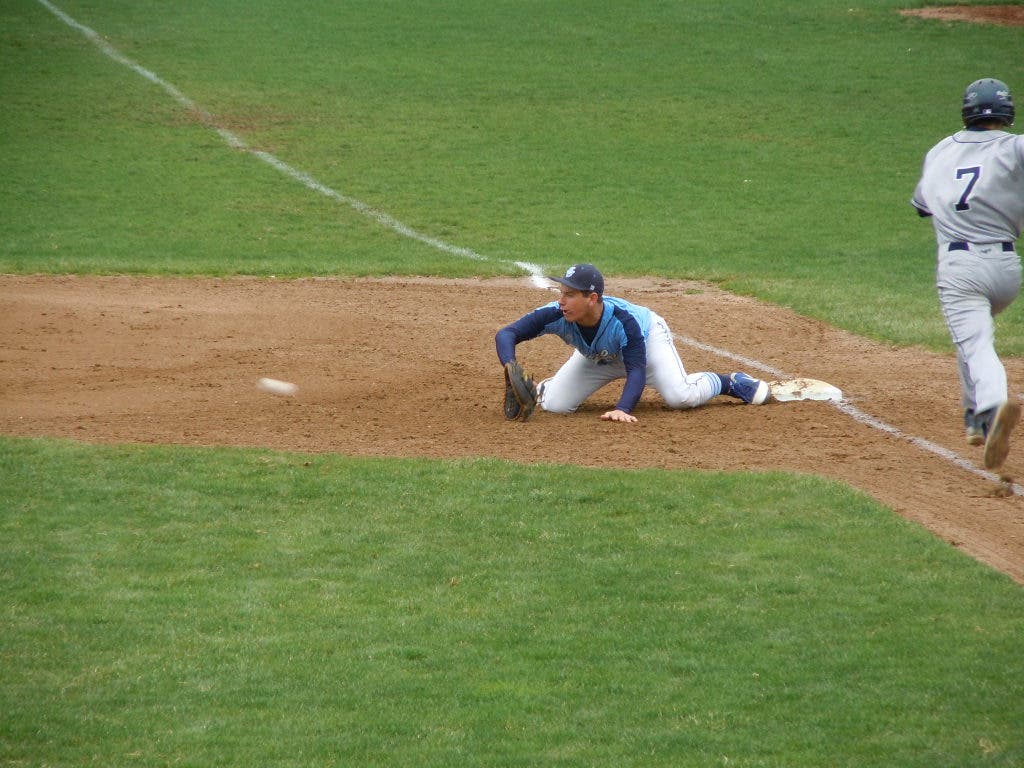
Exceptional glove work is worthless without the underpinning of swift, precise footwork. This drill incorporates footwork patterns that complement glove actions, ensuring seamless body positioning for optimal fielding angles. Players execute controlled shuffles, drops, and pivots, aligning each movement with glove positioning to maximize efficient ball play.
The drill promotes the synchronization of lower and upper body mechanics, encouraging players to approach the ball with balanced athleticism rather than static reach. For Simmons, footwork enables him to position perfectly even on difficult hops and challenging ground balls, transforming difficult plays into routine outs.
Players working through this sequence develop improved spatial awareness, enabling them to anticipate ball trajectory and position their frames in preparation—thus, allowing their gloves to operate within a zone of maximum effectiveness rather than last-moment adjustment.
Glove Selection: Emulating the Mizuno Pro Simmons Model
While technique is paramount, equipment plays an essential role in replicating the nuanced control exemplified by Simmons. The Mizuno Pro Andrelton Simmons model glove is engineered to complement the intricacies of elite infield play, featuring a uniquely designed pattern, optimal pocket depth, and pliable yet durable leather.
Choosing a glove that molds quickly to the hand while maintaining a light profile can markedly improve the tactile feedback during catches. Players looking to mirror Simmons’ quick releases and soft hands benefit from gloves tailored for infield precision. The Mizuno Pro model, in particular, is renowned for its balance between firmness and suppleness, fostering fluid glove work.
Utilizing this glove in conjunction with the outlined drill enhances one’s ability to execute complicated plays with Simmons’ trademark confidence and flair, bridging the gap between practice and on-field brilliance.
Incorporating Mental Visualization and Game Scenarios
The drill’s efficacy is amplified when paired with mental rehearsal. Visualization techniques guide players to mentally walk through the stages of fielding plays—from positioning to glove mechanics. This cognitive layer strengthens neural pathways, allowing for quicker adaptation during live gameplay.
Integrating simulated game scenarios into the drill creates situational awareness. Practicing glove work during double play attempts, slow rollers, or tough hops conditions players to anticipate and react appropriately in dynamic environments, reminiscent of Simmons’ uncanny situational instincts.
This mental dimension ensures that physical drills translate directly into the player’s defensive mindfulness, promoting decision-making that is as sharp as their glove work.
Consistency and Progression: The Keys to Glove Mastery
Like any elite skill, glove work demands persistent commitment and systematic progression. The drill’s impact grows exponentially when incorporated into a structured training regimen. Starting with basic motions, players should gradually increase intensity and complexity—introducing faster ground balls, varying angles, and unpredictable bounces as confidence builds.
Tracking improvements through video analysis or feedback sessions aids in correcting subtle technical flaws and refining timing. This iterative process, underpinned by patience and dedication, is essential to bridging the gap from ordinary to outstanding defensive capability.
Consistency transforms the drill from an exercise into an ingrained habit. This habitual excellence manifests in-game, equating to the kind of unshakable reliability synonymous with Andrelton Simmons.
Final Thoughts: Crafting a Defensive Artistry Through Precision Drills
Becoming a standout defender in baseball is as much about cultivating nuanced glove work as it is about athleticism and instinct. The glove work drill outlined here exemplifies a comprehensive approach to developing the finesse, speed, and confidence that define Andrelton Simmons’ defensive mastery. By focusing on precise glove mechanics, reactive touches, synchronized footwork, proper equipment, and mental acuity, players can transform their defensive game into an art form.
With perseverance and the right training, that fluid grace and reliability can become less of a distant aspiration and more of an attainable reality—one catch at a time.