The crack of the bat, the roar of the crowd, the unmistakable arc of a baseball hurtling toward the outfield—these are the hallmarks of America’s pastime. Yet, within this timeless tradition lies a modern phenomenon that has transcended mere sport, embedding itself into the cultural lexicon of baseball fandom: the “Tater Trot.” More than just a playful term for a home run, the Tater Trot encapsulates the joy, strategy, and spectacle that define Major League Baseball (MLB) today. From its origins as a quirky slang term to its current status as a viral sensation, the Tater Trot has become a symbol of the game’s evolving identity, blending athleticism with entertainment in ways that resonate with fans across generations.
The Evolution of Slang: From “Dinger” to “Tater Trot”
The language of baseball has always been as rich and varied as the game itself, with terms like “dinger,” “moon shot,” and “tape-measure blast” painting vivid pictures of towering home runs. Yet, the “Tater Trot” stands apart, not just for its whimsical alliteration but for its cultural staying power. The phrase likely emerged from the playful, almost childlike joy of watching a baseball soar into the stands, as if the batter were taking a leisurely stroll—a “trot”—to touch all four bases. Over time, the term evolved from a niche piece of jargon into a mainstream expression, embraced by commentators, players, and fans alike. It reflects a broader trend in sports language, where humor and hyperbole collide to create terms that are as memorable as the plays they describe.
The Anatomy of a Tater: What Makes a Home Run a “Tater Trot”?
A Tater Trot isn’t just any home run; it’s a home run with a certain je ne sais quoi—a combination of distance, trajectory, and sheer audacity that leaves spectators breathless. Statistically, a Tater Trot often involves a ball traveling over 400 feet, with a launch angle between 25 and 35 degrees, ensuring it clears the outfield wall with room to spare. But the magic of a Tater Trot lies beyond the numbers. It’s the moment when the crowd’s anticipation peaks, the pitcher’s face contorts in disbelief, and the batter’s stride becomes a victory lap before the ball even lands. The term itself suggests a leisurely pace, as if the batter is savoring the moment, knowing the outcome is inevitable. This is the essence of the Tater Trot: a home run that feels less like a calculated play and more like a spontaneous celebration of baseball’s purest form of offense.
The Psychology Behind the Tater: Why Fans Love a Good Trot
Human psychology plays a fascinating role in why the Tater Trot resonates so deeply with fans. Psychologists argue that home runs trigger a release of dopamine, the brain’s “feel-good” neurotransmitter, creating a sense of euphoria that fans crave. The Tater Trot amplifies this effect by turning a home run into a narrative—a story of dominance, skill, and timing. When a batter hits a Tater Trot, it’s not just a point on the scoreboard; it’s a moment frozen in time, a highlight reel in the making. Fans don’t just remember the home run; they remember the way the crowd erupted, the way the outfielders turned and watched in awe, the way the game seemed to pause for a single, perfect second. This psychological payoff is why the Tater Trot has become a staple of baseball’s emotional landscape, a reminder of why the sport is as much about spectacle as it is about competition.
Tater Trots Through the Eras: A Historical Perspective
The concept of the Tater Trot isn’t new, but its cultural significance has shifted with each era of baseball. In the dead-ball era, home runs were rare and often the result of sheer power rather than finesse. Babe Ruth’s legendary blasts were the original Tater Trots, though the term hadn’t yet been coined. By the 1990s, the steroid era introduced a new kind of Tater Trot—one fueled by unnatural strength and controversial records. Today, the Tater Trot is a blend of old-school charm and modern analytics, with players like Aaron Judge and Pete Alonso turning home runs into must-see events. Each era has its own flavor of the Tater Trot, from the raw power of Hank Aaron to the laser-guided precision of Mike Trout. This historical continuum underscores the term’s adaptability, proving that the Tater Trot is more than a trend—it’s a tradition.
The Art of the Trot: Celebrating a Home Run with Style
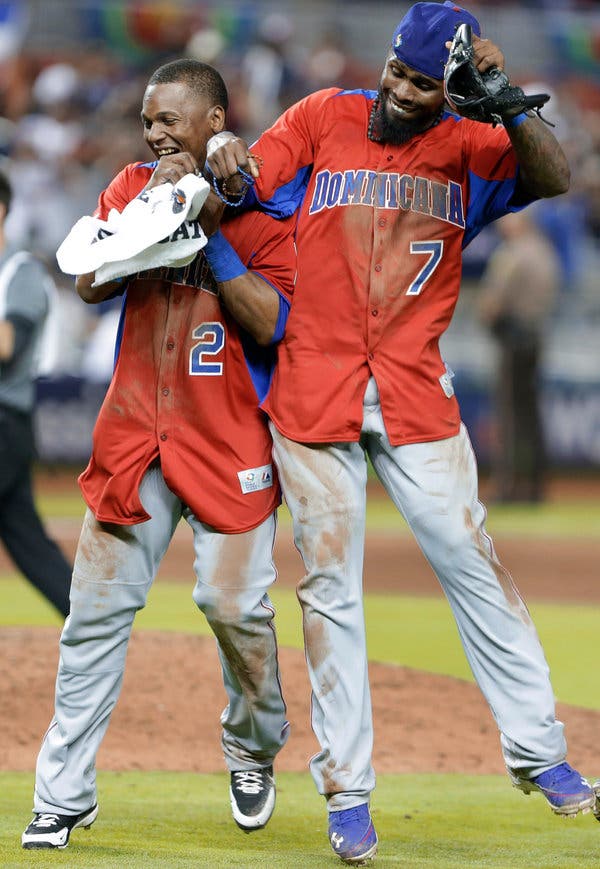
A Tater Trot isn’t complete without the batter’s post-home run ritual—the trot itself. This is where personality meets performance, as players infuse their celebration with flair, humor, or sheer joy. Some batters, like Giancarlo Stanton, adopt a stoic, no-nonsense approach, while others, like José Altuve, opt for a more exuberant display. The trot can be a statement, a tribute, or simply a way to soak in the moment. It’s also a strategic move: a slow trot can taunt the opposing team, while a quick one might be a nod to humility. The art of the trot is a microcosm of baseball’s culture, where individuality is celebrated within the framework of team success. Whether it’s a chest bump with a teammate or a pointed finger at the sky, the trot is the batter’s signature—a final flourish in the symphony of a Tater Trot.
Tater Trots and the Digital Age: How Social Media Amplifies the Magic
In the 21st century, the Tater Trot has found a new stage: the internet. Social media platforms like Twitter, Instagram, and TikTok have turned every Tater Trot into a viral moment, capable of reaching millions in seconds. Highlights of towering home runs are clipped, edited, and shared with captions like “Tater Trot incoming” or “That’s a moon shot!” The digital age has democratized the Tater Trot, allowing fans to relive the magic in slow motion, from multiple angles, and with commentary that ranges from poetic to hilarious. This amplification has also created a feedback loop: the more Tater Trots are shared, the more they become part of baseball’s collective consciousness. It’s a far cry from the days when home runs were only seen by the lucky few in the stadium, now every fan can be a part of the celebration.
The Future of the Tater: Will the Term Stand the Test of Time?
As baseball continues to evolve, so too does its lexicon. The Tater Trot faces competition from newer terms like “Bomb” or “Yas,” but its charm and simplicity give it a fighting chance. The term’s longevity may depend on its ability to stay relevant in an era of shifting fan preferences. Will the Tater Trot endure as a beloved relic of baseball’s golden age, or will it fade into obscurity as trends come and go? History suggests that terms with deep cultural roots—like “grand slam” or “walk-off”—tend to persist, even as the game changes around them. The Tater Trot’s future may also hinge on its adaptability. If players continue to embrace the term, and fans keep sharing their favorite moments online, the Tater Trot could become as iconic as the game itself. For now, it remains a testament to baseball’s ability to blend tradition with innovation, creating moments that are both timeless and timely.