As the calendar inches toward the first pitch of a new baseball season, fans across the nation find themselves caught in a peculiar limbo—a state of suspended animation where time stretches like a rubber band, taut with anticipation. The wait for baseball is not merely a countdown; it is a ritual, a shared obsession, and for some, an existential challenge. What compels us to track every day, every hour, until the crack of the bat echoes through stadiums once again? And what happens when that wait feels unbearably long?
The Countdown Begins: A Ritual of Hope and Impatience
The moment the final out of the World Series is recorded, the clock resets. Not in hours or minutes, but in the slow, deliberate march of days until the next season’s opening day. Fans mark their calendars with the fervor of ancient astronomers charting celestial movements. Social media erupts with memes, countdown clocks, and playful taunts between rival teams. The countdown is more than a reminder; it is a communal heartbeat, synchronizing millions of fans into a single, restless pulse.
Yet, this ritual is not without its frustrations. The offseason is a paradox—a time of rest for the players but a season of longing for the fans. The monotony of winter days is broken only by the occasional free agent signing or spring training update, which only serves to deepen the craving for the real thing. The countdown becomes a game itself: How many days can you endure without losing your mind? How many times can you resist the urge to rewatch last season’s highlights?
The Psychological Toll: When the Wait Feels Endless
For some, the wait is a test of mental fortitude. The offseason is a psychological marathon, where the finish line is obscured by a fog of impatience. The mind, ever the trickster, plays cruel games—reminding fans of the joy they felt during the season, the thrill of a walk-off win, the camaraderie of a stadium crowd. These memories, while sweet, only amplify the agony of the present. The brain, wired for dopamine hits from live action, rebels against the void of the offseason, leaving fans in a state of restless withdrawal.
Psychologists might call this a form of anticipatory nostalgia, where the pain of waiting is compounded by the fear of missing out on the next season’s magic. The offseason becomes a desert, and every minor league transaction or injury report is an oasis—temporary relief that only intensifies the thirst for the real thing. The challenge is not just to endure the wait but to find meaning in it, to transform the longing into something productive, whether that means diving into baseball history, refining fantasy team strategies, or simply appreciating the quiet beauty of the game’s absence.
The Role of Media: Fueling the Obsession
Media outlets, ever attuned to the pulse of fandom, amplify the anticipation. Spring training reports, player interviews, and speculative hot stove league coverage become the lifeblood of the offseason. Websites, podcasts, and social media platforms dissect every rumor, every transaction, turning the slow crawl of winter into a 24/7 spectacle. The media does not just report the news; it stokes the flames of desire, ensuring that fans remain engaged even when the games are not being played.
Yet, this constant chatter can be a double-edged sword. The deluge of information, while entertaining, can also overwhelm. Fans are bombarded with opinions, predictions, and debates, each one adding another layer to the mental load. The challenge becomes sifting through the noise to find the signal—the genuine insights that make the wait feel worthwhile. It is a skill, honed over years of offseason endurance, to separate the wheat from the chaff in a sea of speculation.
The Ritual of Preparation: Turning Longing into Action
For many, the offseason is not a time of passive waiting but of active preparation. Fans meticulously plan their game-day rituals, from tailgate menus to jersey rotations. Fantasy baseball leagues become battlegrounds of strategy, where every transaction is a chess move in a high-stakes game. The anticipation of the season ahead drives fans to refine their knowledge, to study player stats, and to debate the merits of potential trades. The wait is not wasted; it is a period of cultivation, where the seeds of excitement are planted and nurtured.
Even the mundane tasks of the offseason—organizing a collection of baseball cards, polishing a favorite bat, or planning a road trip to a new stadium—become acts of devotion. These rituals serve a dual purpose: they keep the flame of fandom alive, and they create a sense of control in a period defined by uncertainty. The challenge is to find joy in the preparation, to embrace the offseason as a necessary precursor to the main event.
The Unwritten Rules of Offseason Etiquette
In the world of baseball fandom, the offseason has its own unspoken rules. There is an etiquette to discussing the game during the downtime, a balance between enthusiasm and restraint. Fans know not to jinx their team’s chances with premature optimism, nor to dwell too long on past disappointments. The challenge is to navigate this social landscape without stepping on the toes of fellow enthusiasts, each of whom has their own relationship with the game.
There is also the delicate art of avoiding spoilers. In a world where news travels at the speed of a tweet, the offseason can feel like a minefield of potential spoilers. Fans must tread carefully, lest they ruin the surprise of a spring training breakout star or a midseason call-up. The challenge is to stay informed without losing the magic of discovery that comes with the start of a new season.
The First Pitch: A Moment of Reckoning
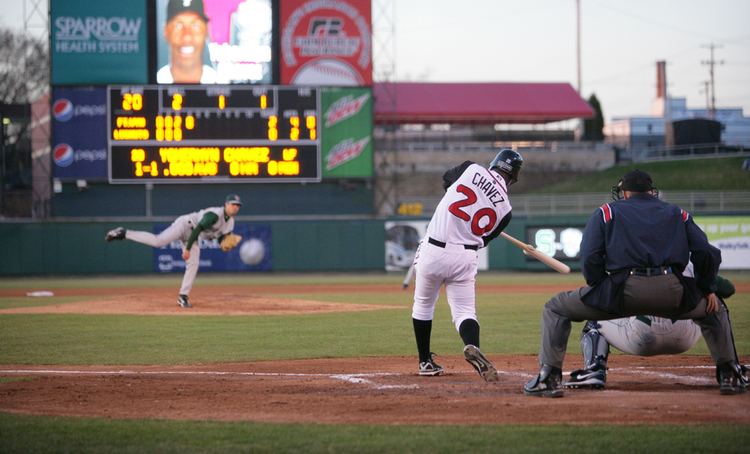
Finally, the day arrives. The first pitch of the season is more than a sporting event; it is a cultural reset, a collective exhale after months of anticipation. The stadium is electric, the air thick with the scent of popcorn and sunscreen. Fans who have endured the wait are rewarded with the sight of their heroes stepping onto the field, the crack of the bat, the roar of the crowd. The challenge of the offseason is over, at least for now.
But the wait is never truly over. The cycle begins anew, and with it, the same mix of hope, impatience, and obsession. The first pitch is not an ending but a beginning—a reminder that the game is not just about the season but about the journey, the longing, and the shared experience of being a fan.