Baseball, often heralded as America’s pastime, is a tapestry woven with tradition, drama, and an intricate code of conduct that transcends the official rulebook. Among its myriad charms lies a labyrinth of unwritten rules—tacit understandings that govern player behavior, strategic decisions, and the very essence of respect within the sport. These unwritten edicts shape the game’s narrative with a subtlety that is as elusive as a curveball’s final arc. Yet, when subjected to a magnifying glass of logic and modern sensibilities, many of these customs reveal themselves to be stunningly bizarre—veritable relics of an era that seem almost surreal in a contemporary context. This exploration journeys through the hallways of baseball’s unwritten rules, unearthing the layers beneath their seemingly quaint veneers and exposing how astonishingly strange they truly are.
The Sanctity of Pitching Respect: No Celebrations Allowed
Baseball pitchers are akin to gladiators standing atop an ancient pedestal, tasked with diminishing the batter’s aspirations with every delivery. The unwritten rule often insists that a pitcher who strikes out a batter, especially with a dominating sequence, must contain all traces of joviality. Excessive celebrations are frowned upon, perceived as breaking an unspoken covenant of humility. This rule acts as a metaphorical leash, binding a player’s triumph within a stifling cage of modesty. Consider this: in a sport where athletic feats often burst at the seams with emotion, this curtailment of celebration seems almost archaic—like asking a poet to deliver verses without passion. The paradox deepens when realizing that this restraint exists to maintain respect, yet it paradoxically suppresses authentic emotional expression, underscoring a uniquely rigid social code in what is otherwise a sport based on passion.
Stealing Bases: A Delicate Balance of Aggression and Politeness
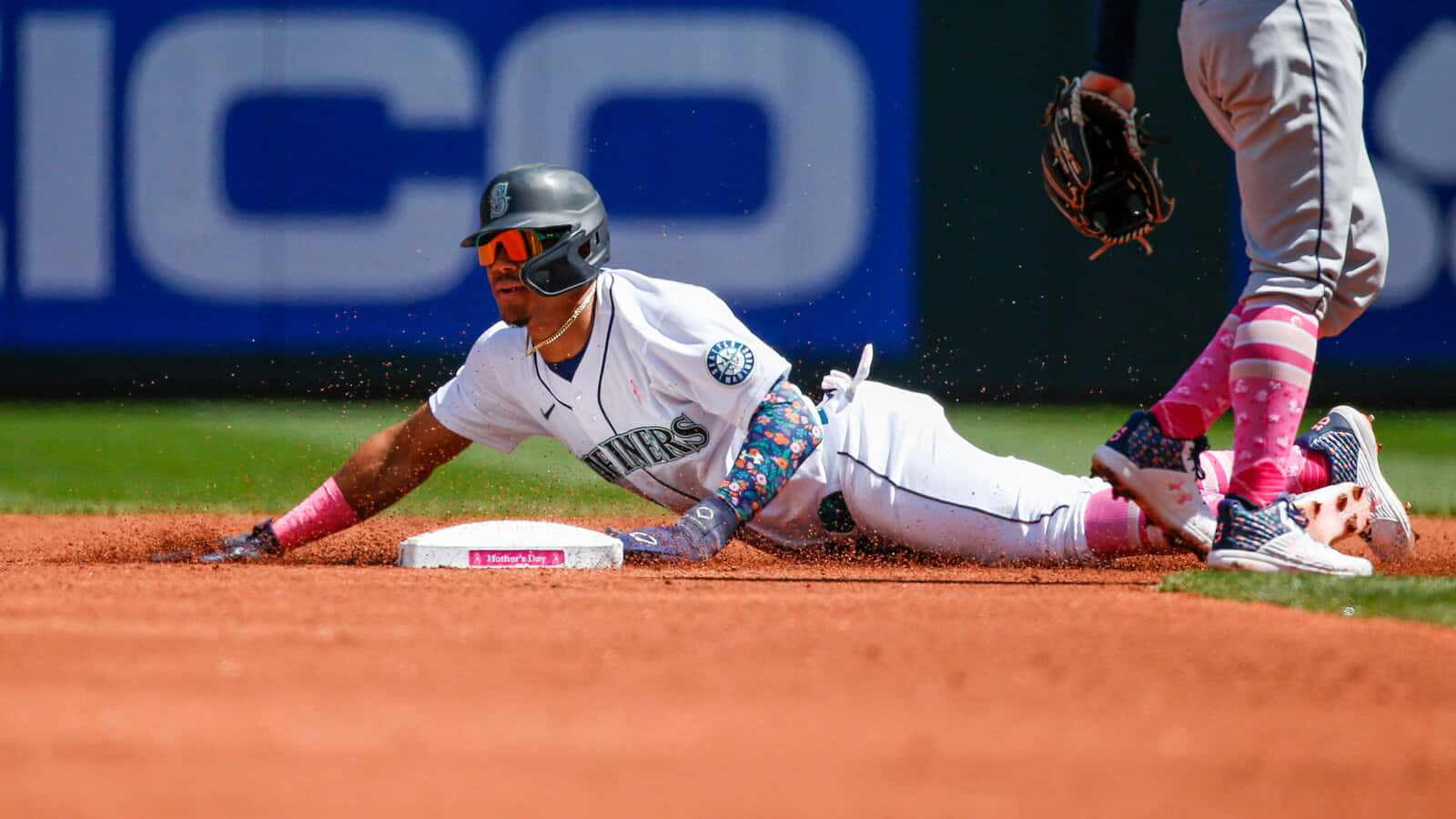
Stealing a base is one of baseball’s most electrifying moments—requiring guile, timing, and a dash of audacity. However, the unwritten rules dictate an almost paradoxical etiquette: it is acceptable to steal a base when the game is close, but frowned upon when your team is leading by a large margin. This rule transforms base stealing from a pure act of competitive fervor into a nuanced social dance. The metaphor here likens base stealing to a game of chess played with invisible chessmen—each move weighted not only by tactical advantage but by subjective notions of decorum. The notion that you can be punished socially for unbridled competitiveness triggers a cognitive dissonance. Why should the pursuit of scoring run be tempered by a spectator’s sense of propriety? This subtler form of fairness is rooted less in the quest for victory and more in an antiquated form of sportsmanship that feels almost theatrical.
Batting in Double Digits: A Gestalt of Hubris and Self-Restraint
Another bewildering unwritten rule concerns the proposal that batters should not crowd the plate or excessively show up the pitcher after performing well. This psychic tug of war between asserting dominance and avoiding the perception of arrogance is a curious phenomenon. It offers a glimpse into a collective consciousness steeped in humility, where showing off on the diamond is akin to stepping onto a thin ice sheet—one wrong move cracks the fragile façade. This norm operates like an invisible referee, perpetually moderating the emotional thermostat of the game. In a forum where psychological warfare is integral, policing humility seems like an exquisite form of restraint, yet viewed through a contemporary lens, it banks heavily on an almost repressive notion of emotional containment—one that discourages the natural human desire to celebrate personal achievement.
The ‘Don’t Knock the Ball Away’ Edict: The Strange Gentility of Field Play
Fielders, especially in tense moments, are expected to adhere to a bizarre form of gentility, particularly visible in the so-called “don’t knock the ball away” rule. For example, if a batter attempts a bunt, defenders are discouraged from swatting the ball erratically out of reach or over-exuberantly preventing a potential scoring play. This segment of baseball etiquette elevates gameplay to an almost theatrical performance where players must balance aggression with decorum. It’s as if the field itself becomes a hallowed stage, demanding choreographed interactions rather than unbridled physicality. The comedic absurdity emerges when considering how, in a sport that prizes winning at nearly all costs, players must sometimes voluntarily restrain their prime instincts—transforming opportunism into acts of orchestrated politeness.
Retaliation and the Art of ‘Unwritten Justice’
Perhaps the most enigmatic of the unwritten rules is that of retaliation—the clandestine mandate that certain offenses, such as a perceived disrespect or a dangerous pitch, must be met with reciprocal response, often in the form of a retaliatory beanball. This vigilante justice system is surreal when juxtaposed against a sport governed by strict official rules and umpire oversight. It’s as though baseball cultivates a parallel universe where moral codes preside independent of the written laws. This concept harkens to an archaic sense of honor—like a duelist’s code—that requires wrongs to be balanced on a ledger by force or intimidation rather than dialogue. Viewed in this light, the notion of retribution is strikingly archaic and at odds with contemporary sportsmanship, yet it remains fiercely protected, highlighting the deep affective ties baseball players have with the ethos of respect and hierarchy within their shared fraternity.
Conclusion: The Paradoxical Charm of Baseball’s Codes
Baseball’s unwritten rules are a curious zoo of paradoxes—at once venerating respect and simultaneously harboring rules that suppress authentic emotion and competitive zeal. These nuanced dictates embody a cultural artifact, a linguistic dialect spoken silently among players and fans, binding generations through shared understanding. However, when dissected with a modern perspective, many of these rules seem like whimsical relics, resistant to change and cloaked in enigma. They remind us that baseball is more than statistics and physical feats—it’s a living narrative infused with eccentric codes that celebrate tradition as much as they challenge logic. In this enigmatic dance between convention and competition, the true allure of baseball emerges not simply from its physical drama but from these intangible scripts that dictate how the game is played and respected—an endless dialogue between past and present, a testament to the sport’s unique, almost mystical soul.