Baseball, often hailed as America’s pastime, has evolved into a global phenomenon where talent from every corner of the world converges to shine on the grandest stage of all—the Major League Baseball (MLB) diamond. The sport’s reach stretches far beyond the borders of the United States, weaving a tapestry of cultures, climates, and stories that give rise to the game’s most electrifying players. From the sun-drenched fields of the Dominican Republic to the volcanic slopes of Nicaragua, from the bustling cities of Japan to the emerald valleys of Costa Rica, the world is teeming with nations producing the raw, unfiltered talent that fuels the MLB’s relentless engine. This is not merely a tale of statistics and scouting reports; it’s a narrative of passion, perseverance, and the unyielding pursuit of greatness.
The Dominican Republic: The Cauldron of Shortstops and Sluggers
The Dominican Republic is to baseball what the Amazon is to biodiversity—a dense, untamed jungle of raw potential where every season yields a new crop of phenoms. This island nation, no larger than the state of New Hampshire, has become the MLB’s most prolific breeding ground, a place where baseball is not just a sport but a lifeline. The reasons are as much cultural as they are geographical. Baseball arrived with American sailors and sugar plantation workers in the late 19th century, but it took root in the Dominican soul like a persistent vine, thriving in the fertile soil of poverty and hope. Today, nearly 10% of all MLB players hail from this tiny Caribbean nation, a staggering statistic that underscores its dominance.
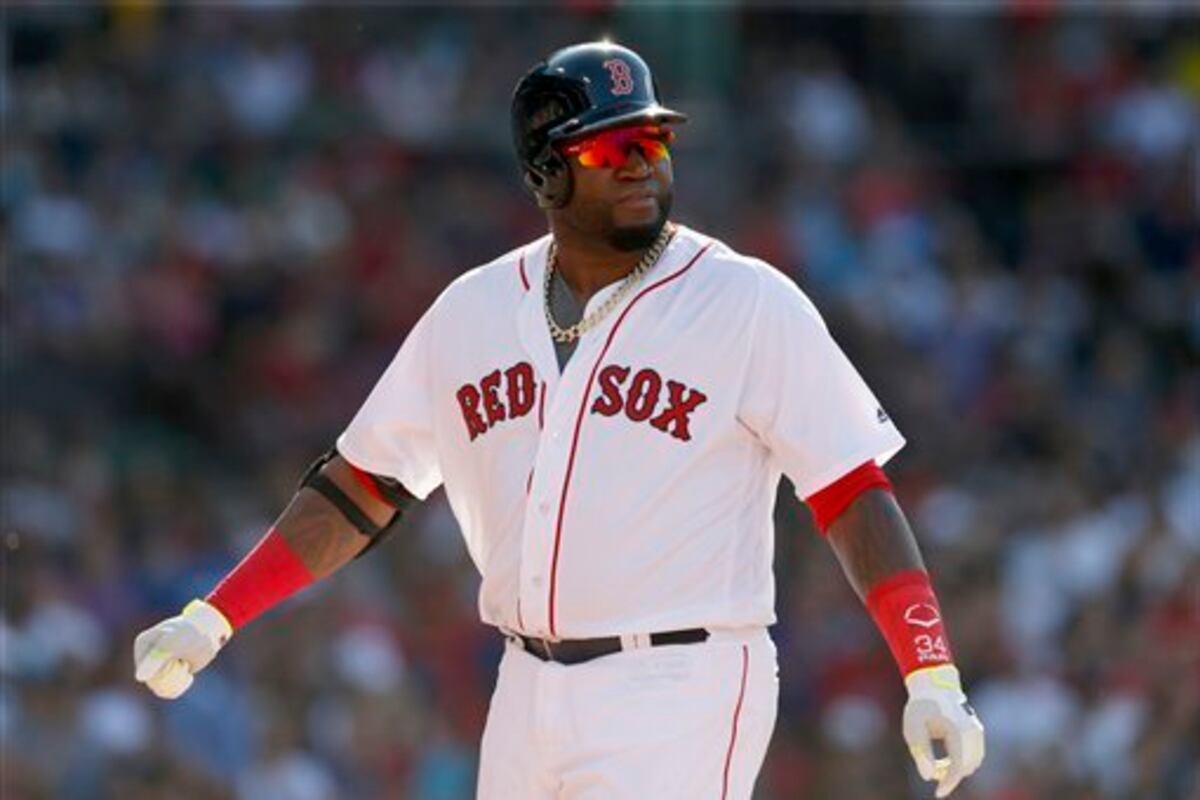
What makes the Dominican Republic so fertile for baseball talent? The answer lies in a combination of factors: an insatiable love for the game, a culture that reveres athleticism, and an infrastructure that turns raw diamonds into polished gems. Prospects often begin their journey in makeshift fields, swinging bats carved from scrap wood under the watchful eyes of local coaches who double as mentors. The MLB’s academies scattered across the island serve as finishing schools for these young athletes, where they refine their skills under the guidance of professional trainers. The result? A conveyor belt of shortstops with golden gloves and outfielders whose bats crack like thunder. Names like Vladimir Guerrero, David Ortiz, and Juan Soto are not just players; they are legends etched into the Dominican DNA, symbols of what can be achieved with a bat, a ball, and an unshakable dream.
Venezuela: The Land of Fire and Fastballs
Venezuela is a country of contrasts—where the Andes’ jagged peaks kiss the Caribbean Sea, and where the heat of the equator fuels the fire of baseball talent. This nation, rich in oil and natural beauty, has also become a powerhouse in producing MLB stars, a phenomenon that feels almost alchemical. Venezuelan players bring a flair to the game that is as vibrant as the country’s carnival celebrations: explosive power, dazzling speed, and an audacious style that keeps fans on the edge of their seats. The secret to Venezuela’s success lies in its baseball culture, which is as deeply ingrained as its love for salsa music and arepas.
The journey from a Venezuelan barrio to the MLB is often paved with adversity. Many prospects grow up in neighborhoods where baseball fields are as rare as paved roads, forcing them to improvise with whatever resources they can find. Yet, this scarcity breeds ingenuity. Young players craft their own bats from tree branches, stitch together gloves from worn-out leather, and practice their swings until their hands bleed. The MLB’s presence in Venezuela, through academies and scouting programs, has further fueled this talent pipeline. Players like Miguel Cabrera, Félix Hernández, and Ronald Acuña Jr. are not just athletes; they are national icons, their achievements celebrated as fervently as any political milestone. Venezuela’s baseball story is one of resilience, a testament to the human spirit’s ability to thrive even in the harshest conditions.
Japan: The Samurai Spirit Meets the Diamond
Japan’s relationship with baseball is a tale of cultural fusion, where the precision of the samurai and the discipline of the tea ceremony collide with the raw energy of America’s favorite pastime. Introduced in the late 19th century, baseball quickly became more than a sport in Japan—it became a way of life. The country’s high school baseball tournaments are national obsessions, drawing crowds larger than those for professional sumo or kabuki theater. This passion for the game has translated seamlessly into MLB success, where Japanese players bring a level of craftsmanship and mental fortitude that sets them apart.
The Japanese approach to baseball is a study in contrasts: it is both a team sport and an individual art form, where every swing of the bat is a brushstroke on the canvas of a game. Pitchers like Masahiro Tanaka and Shohei Ohtani are not just throwers of baseballs; they are artisans, sculpting each pitch with surgical precision. Ohtani, in particular, embodies the duality of Japanese baseball—his ability to dominate as both a pitcher and a hitter is a feat that feels almost mythical, like a modern-day Babe Ruth reincarnated with the soul of a Zen master. The cultural emphasis on respect, humility, and relentless practice ensures that Japanese players are not just talented but also mentally prepared for the rigors of MLB stardom. Their success is a bridge between two worlds, a fusion of East and West that elevates the game to new heights.
Puerto Rico: The Island of Unbreakable Will
Puerto Rico is a paradox—a U.S. territory with the soul of an independent nation, a place where baseball is not just a sport but a lifeline that connects generations. Despite its small size and economic challenges, Puerto Rico has produced some of the most electrifying players in MLB history, from Roberto Clemente’s humanitarian heroism to Carlos Correa’s clutch performances. The island’s baseball culture is a living testament to the power of community, where every neighborhood field is a classroom and every game is a lesson in perseverance.
What sets Puerto Rican players apart is their unshakable will to succeed, forged in the crucible of limited resources and high expectations. Many prospects grow up playing on fields where the outfield fences are made of chain-link and the infield is more sand than grass. Yet, this adversity only sharpens their resolve. The island’s baseball academies, such as the one in Aguadilla, serve as incubators for talent, where young players are groomed not just as athletes but as leaders. Puerto Rican players bring a flair to the game that is as infectious as the island’s music and as vibrant as its festivals. They play with a joy that is palpable, a reminder that baseball is, at its core, a game meant to be savored.
Nicaragua: The Underdog’s Ascent
Nicaragua is the baseball equivalent of a dark horse—a nation that punches far above its weight, producing players who defy expectations with every swing and pitch. Nestled between Costa Rica and Honduras, this Central American gem has quietly become a hotbed for MLB talent, its players embodying the grit and determination of a country that has weathered storms both literal and metaphorical. Baseball in Nicaragua is not just a sport; it’s a form of rebellion, a way to rise above the challenges of poverty and political instability.
The story of Nicaraguan baseball is one of grassroots passion. Fields are carved into hillsides, and bats are fashioned from whatever wood is available. Prospects often travel for hours to reach a game, their determination as unyielding as the volcanic soil beneath their feet. The MLB’s growing presence in Nicaragua, through academies and scouting initiatives, has provided a lifeline for these young athletes. Players like Dennis Martínez and Cheslor Cuthbert are not just athletes; they are symbols of hope, proof that talent can flourish even in the most unlikely of places. Nicaragua’s baseball journey is a reminder that greatness is not confined to the usual powerhouses—it can emerge from the most unexpected corners of the world.
Costa Rica: The Rising Tide of Talent
Costa Rica is the newest frontier in the global baseball revolution, a nation where the sport is still in its adolescence but growing at a pace that belies its size. With its lush rainforests and pristine beaches, Costa Rica may seem an unlikely cradle for MLB talent, but its players bring a fresh energy and innovation to the game. The country’s baseball culture is still developing, but it is fueled by a passion that is as vibrant as its biodiversity. Prospects here play with a fearlessness that comes from the joy of discovery, their swings unburdened by the weight of tradition.
The rise of Costa Rican baseball is a testament to the sport’s global reach. As MLB expands its scouting networks and academies, more young players from this Central American nation are getting the opportunity to showcase their skills on the world stage. The country’s tropical climate and emphasis on youth development programs have created a fertile ground for talent to flourish. Players like Jairo Asencio and Johan Quezada are just the beginning—a new generation of Costa Rican stars is poised to make its mark, proving that baseball’s future is as diverse as the landscapes that inspire it.
The Global Tapestry: A Sport Without Borders
Baseball’s evolution from a niche American pastime to a global phenomenon is a story of cultural exchange, resilience, and the unifying power of sport. The nations producing MLB talent today are as varied as the players themselves—each brings a unique flavor to the game, a distinct narrative that enriches the sport’s tapestry. From the Dominican Republic’s cauldron of shortstops to Costa Rica’s rising tide of talent, from Venezuela’s firebrand sluggers to Japan’s samurai-like precision, the world is teeming with stories of passion and perseverance.
This global infusion of talent has transformed the MLB into a league that is as diverse as it is dynamic. Players from different backgrounds bring new strategies, styles, and perspectives, pushing the boundaries of what is possible on the diamond. The game is no longer confined to the stereotypes of its past; it is a living, breathing entity that evolves with every season, shaped by the dreams of young athletes from every corner of the globe. Baseball’s future is not just in the hands of the United States—it is in the hands of the world, a testament to the sport’s enduring appeal and its ability to unite people across cultures and continents.