In the world of baseball, few challenges frustrate hitters as persistently as the relentless ground ball. Despite advances in hitting philosophy and training methodologies, an epidemic of ground balls continues to plague players at all levels of the game. This phenomenon not only hampers offensive production but also stifles creativity at the plate, diminishing the overall excitement and strategic depth of baseball. Understanding why ground balls have become so pervasive and, more importantly, how hitters can counteract this trend is essential for revitalizing offensive success and expanding the art of hitting.
The Anatomy of a Ground Ball Epidemic
Ground balls, by definition, occur when the batter makes contact with the ball sharply but directs it low into the infield. Although not inherently undesirable, an overabundance signals mechanical or strategic issues in a hitter’s approach. The epidemic status of grounders arises because many hitters unconsciously adopt flawed swing planes or mistimed their mechanics, often due to an overemphasis on early contact and bat speed at the expense of launch angle and trajectory control. As pitchers have evolved with increased velocity, sharper breaking balls, and more sophisticated pitch sequencing, hitters have adapted erratically, sometimes overcorrecting and inadvertently driving the ball into the ground rather than elevating it.
Additionally, the proliferation of analytics has coined the term “launch angle” as a pivotal metric, placing pressure on hitters to optimize their swing in ways that prioritize hard-hit balls with greater vertical angles. Without proper training and understanding, this can ironically lead to a mechanical breakdown characterized by nipping underneath the ball or rolling the wrists prematurely, heightening the ground ball rate.
The Mechanics Behind Ground Balls
Rooted in swing mechanics, ground balls are often born from a low or downward bat path that intersects the ball at a suboptimal angle. The hitter’s posture, hand positioning, timing, and weight transfer collectively dictate the contact point relative to the ball’s trajectory. A common mechanical culprit is “casting” the hands away from the body early in the swing, which forces contact in front of the plate and results in a downward trajectory.
Another frequently overlooked yet significant factor is the hitter’s head position and visual tracking. When the head moves excessively or loses fixation on the ball, it disrupts the ability to adjust to pitch location, causing the batter to swing under the ball inadvertently. In contrast, hitters who maintain a steady head position and sharp visual acuity tend to square up the ball more consistently, reducing grounders.
Furthermore, an absence of lower half engagement—particularly improper hip rotation or insufficient knee flexion—limits a hitter’s power generation and swing plane extension. This stunted kinetic chain often culminates in a flattened bat path, promoting ground balls. Therefore, understanding and refining biomechanics is a cornerstone in diminishing the ground ball plague.
Psychological Factors Impacting Ground Ball Prevalence
While mechanics hold paramount importance, psychological dimensions cannot be understated. The hitting environment in Major League Baseball is rife with pressures: high velocity heat, breaking balls darting across the strike zone, and a relentless emphasis on strikeouts and on-base percentage. This pressure nudges hitters toward “just making contact” rather than optimizing quality contact, often triggering a compulsion to swing early and sacrifice trajectory for contact volume.
Moreover, confining hitting philosophies to rigid dogmas—such as prioritizing aggressive inside-out swings or stifling natural timing—can lead to mental rigidity. Under such conditions, hitters might stick with ineffective approaches longer than advisable, allowing poor ground ball patterns to embed themselves. A growth mindset that encourages experimentation and biomechanical feedback often distinguishes those who transcend this epidemic.
Training Techniques to Alleviate Ground Ball Rates
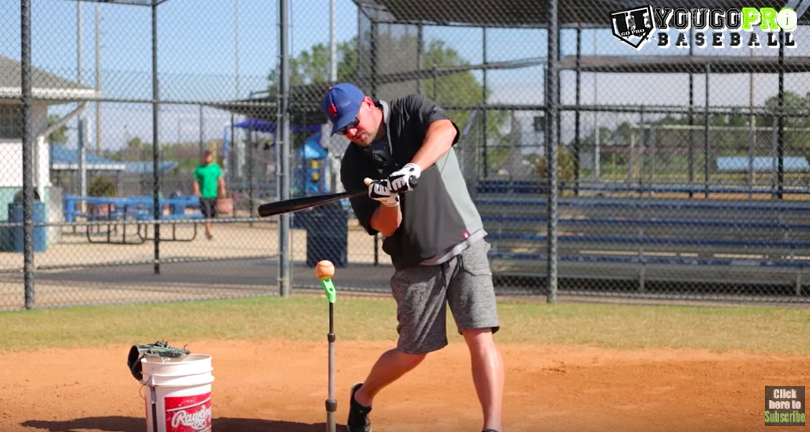
Combating the ground ball epidemic requires an integrated training regimen emphasizing bat path optimization, timing refinement, and mental resilience. One pivotal technique involves focusing on the swing’s launch angle by practicing barrel control drills aimed at elevating the contact point. Trainers frequently utilize tee drills where hitters concentrate on driving the ball slightly upward rather than through the ball, gradually recalibrating muscle memory toward an optimal swing plane.
Video analysis plays an increasingly indispensable role in diagnosing swing faults. Slow-motion footage allows hitters and coaches to dissect the nuances of bat path, hand swing, and timing discrepancies, facilitating targeted adjustments. Additionally, incorporating weighted bats or resistance bands during training can enhance strength and provide tactile feedback on proper swing mechanics that promote an elevated flight path.
One innovative approach includes “top-hand” drills to prevent casting and encourage a more compact, inside-out swing. Meanwhile, using live pitching machines with variable speeds and pitch types allows hitters to hone their timing and pitch recognition in environments simulating game pressure. This honing of mental acuity helps reduce compensatory swings that often generate grounders.
The Role of Analytics and Data in Mitigating Ground Ball Tendencies
Modern baseball’s analytic revolution provides an arsenal of metrics beyond traditional batting average that illuminate ground ball issues. Statcast data, such as exit velocity and launch angle, provide actionable insights into a hitter’s contact quality. Hitters armed with this information can identify tendencies like excessive ground ball rates and systematically adjust mechanics and strategy.
Analytics also inform the value of batted ball distribution relative to ballparks and defensive alignments, helping hitters tailor approaches. Incorporating spray charts and defensive shifts into pre-game analysis encourages hitters to elevate or redirect the ball, further reducing grounder frequency. Teams and individual players investing in these data-driven strategies often realize marked improvements in offensive metrics, underscoring the efficacy of combining science with art in hitting.
Strategic Approaches to Embrace or Combat Ground Balls
While the epidemic paints ground balls negatively, it is essential to acknowledge situations where grounders can be strategic assets. For example, speedy hitters may intentionally hit ground balls to exploit infield weaknesses or induce double plays. Nevertheless, for most hitters, especially power hitters, transforming the swing to reduce ground balls is paramount.
Developing a balanced approach that values line drives and fly balls opens avenues for increased slugging percentage and on-base opportunities. Practicing selective aggression—where hitters discern when to attack pitches conducive to elevation versus when to prioritize contact—can mitigate overreliance on ground balls. Coupling this with mental discipline, such as embracing patience at the plate, generates more favorable hitting scenarios, deterring ground ball dominance.
Conclusion: Elevating the Art of Hitting Beyond the Ground Ball Epidemic
The pervasive nature of ground balls in modern baseball hitting underscores complex interplays among mechanics, psychology, and evolving competitive dynamics. Overcoming this epidemic demands an integrated approach, blending biomechanical refinement, mental conditioning, and data-informed strategies. As hitters rise to this challenge, not only do they enhance their individual performance, but they also elevate the collective artistry and excitement of the game. Mastery over the ground ball epidemic marks a transformative progression in hitting philosophy and capability—one that promises to redefine what it means to excel at the plate.