The intricate dance of baseball, with its precise signals, measured steps, and complex rules, captivates millions. Yet, nestled within this tradition is a piece of legislation—the Infield Fly Rule—that continues to perplex even dedicated fans. Despite its presence in the rulebook and occasional high-stakes implementation, its purpose and application often spark debate and confusion. Understanding why this seemingly targeted rule maintains its mystique requires delving into its history, mechanics, exceptions, and how the narrative of its application has evolved over time.
The Core Purpose: Stopping Sticky Situations
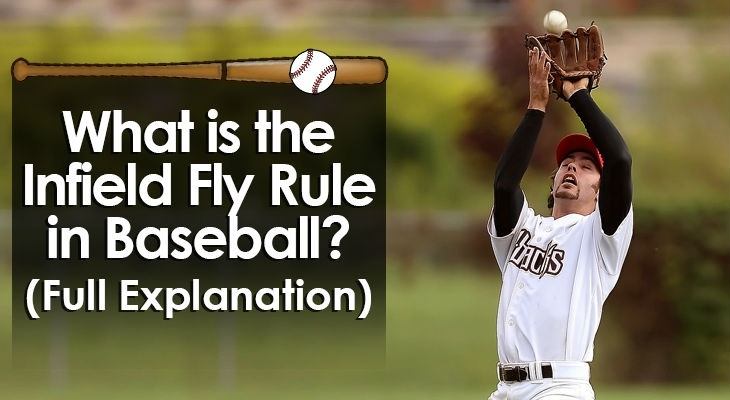
At its absolute foundation, the Infield Fly Rule was born out of a desire to prevent a particular defensive tactic from completely nullifying a weakly hit batted ball. Picture this: a batter hits a slow, shallow fly ball toward the infield. Without the rule, afielding team could simply converge on the ball, waiting for it to land for an easy, automatic out. This scenario gives an offensive player an “automatic” third out, one that cannot be challenged by a rundown or a pickoff attempt. The spirit of the rule is to intervene just before this easy out occurs, preserving the defensive team’s ability to make a play and preventing an offensive force that disrupts the game’s normal rhythm. It’s a measure to ensure that a slow fly ball, easily handled on the ground, doesn’t become an automatic, uncontested out.
Modern Pitching Perversion: The Historical Context
The confusion, however, finds fertile ground in how the rule intersects with a modern strategic practice. With sophisticated training regimens and defensive alignments focused on preventing hits, infielders often position themselves closer to home plate on shallow fly balls. The rationale is to intercept a hard-hit line drive more effectively or, in the case of a slow fly, to field it quicker and potentially turn it into a potentially productive rundown situation. This evolved defensive strategy directly contradicts the rule’s original intent. By positioning themselves deeper, infielders create a situation where a seemingly easy catch is anything but. The rule was designed to force defenses back to their traditional shallow positioning for certain batted balls, but modern tactics actively seek to subvert that positioning, making the rule’s activation a complex calculus for umpires to judge in real-time.
Execution Error: Misjudging the Descent
The rule’s mechanics hinge on a decisive, almost instantaneous judgment call by the umpire. It occurs when the ball is caught by an infielder on a fly ball before it touches the ground. At the precise moment the ball is secured, the umpire must declare “infield fly” if, in the umpire’s judgment, the ball would have been caught by an infielder had the batter-runner not been attempting to reach first base. This is where confusion often sets in. Judging the trajectory and descent speed of a fading fly ball under pressure is notoriously difficult. Umpires are trained to err on the side of caution regarding the infield fly, but misjudgments can occur. Sometimes, the ball clearly seems destined for an infield catch, yet the umpire might hesitate, fearing the batter might be attempting a dash. Conversely, a ball that seems unlikely to be caught cleanly might be judged an infield fly, perhaps due to a slightly favorable wind shift or the unique positioning of the defense.
The Rulebook Ghost: Phantom Mentions
Another source of bewilderment stems from the rule’s placement and description within the official rulebook. Rule 5.09(b)(5) of the MLB Official Baseball Rules covers this scenario. However, its wording can be somewhat dense or not intuitively clear, focusing more on the action of the batter (“unless… at first base or out of base”). This phrasing doesn’t always immediately convey the historical context or the specific strategic situation it aims to address. For many, especially casual observers or younger fans, flipping to the relevant rule might not provide the immediate, practical understanding needed. Furthermore, the rulebook often doesn’t delve deeply into the philosophical “why” behind specific calls or the nuances of defensive positioning, leaving gaps for ambiguity and subsequent confusion.
Defensive Alchemy: The Enduring Puzzle
The persistent confusion surrounding the infield fly rule is, in part, a testament to its evolving context. As defensive strategies adapt, the rule appears more frequently in game-changing moments. When a slow roller or a hanging fly ball is hit under unusual defensive alignments, the umpire’s call becomes pivotal. It’s a moment where the entire defensive structure seems to collapse in the umpire’s favor, allowing the defense to retain control through a well-timed appeal. But the ambiguity of the decision persists. Was the fielder truly unable to make the catch, or was the runner attempting a genuine run? The rulebook provides the parameters, but the application often feels subject to interpretation, especially when the ball is hugging the infield dirt or slightly over the grass line. This inherent ambiguity contributes significantly to why fans remain perplexed.
Whispers Across the Diamond: Fan Confusion Manifests
This ongoing ambiguity fuels a palpable level of confusion. Fans witness an umpire’s signal but struggle to understand why this specific play has unfolded differently than countless other similar scenarios. Discussions rage: Was the defensive positioning a legitimate strategic choice? Was the ball truly uncatchable, or were the infielders hesitant? The lack of a constant, clear signal from the booth, coupled with the unique physical demands of judging descending flies from this distance, makes it difficult for the average observer to follow. The narrative of why the rule exists and why it was invoked becomes convoluted, leading to differing interpretations and lingering questions long after the play has ended. The “why” of the infield fly remains elusive, cementing its status as one of baseball’s most enduring rule riddles.