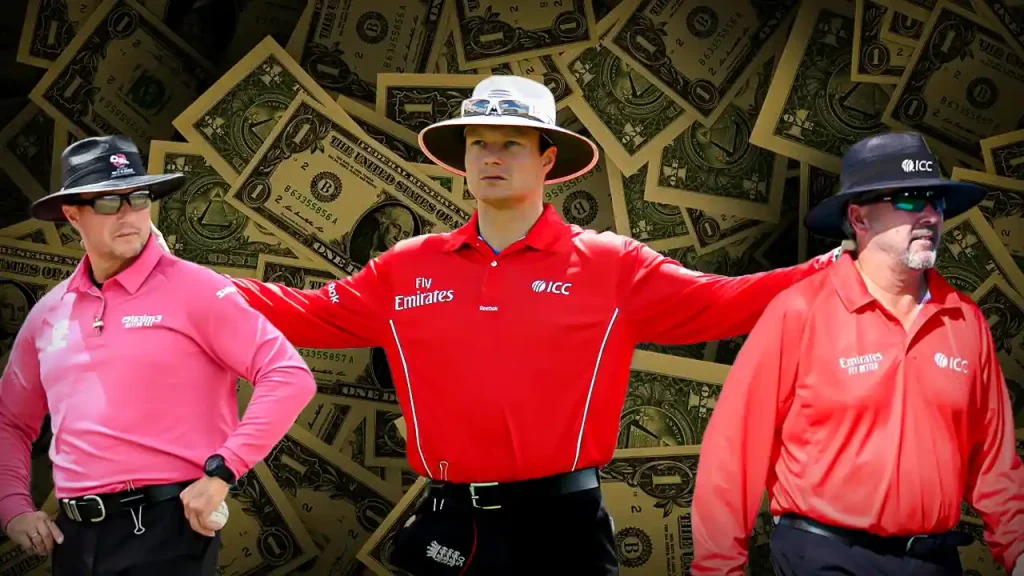
The roar of a packed stadium, the intensity of the final out, the gleaming white, the amplified sound emanating from the broadcast – the Major League Baseball World Series represents the zenith of professional baseball. In this crucible of competition, every element is amplified, including the role of the official scorer, statistician, and above all, the base umpire. Amidst the orchestrated brilliance, the question often arises: what is the compensation these individuals receive for their participation in baseball’s most hallowed ground? The World Series, more than just individual encounters for each participant, is a collective event, and the umpires are integral players. Their appearance in this prestigious showcase isn’t just a ceremonial nod; it speaks to their skill and the demands placed upon them. Understanding the pay structure for umpires during the Fall Classic provides insight into their professional value, contrasting sharply with, and yet complementing, their regular-season earnings.
Defining the Pinnacle: Understanding MLB Umpire Pay Structure
Major League Baseball (MLB) operates a meticulously structured umpire compensation system, encompassing various levels, experience tiers, and assignments. This complex framework ensures that officials are fairly rewarded for their expertise and the demanding nature of their profession, which involves weeks on the road, maintaining consistency across different park environments, weather conditions, and cultural contexts.
Baseball’s Premier Event: World Series Compensation Breakdown
The World Series presents a unique challenge. While every game carries importance, the championship series represents the absolute pinnacle. For MLB umpires, stepping onto a World Series diamond demands not only exceptional performance but also specific logistical considerations. Their role transcends simple game-calling; they are part of history, setting the tone for one of America’s most significant sporting spectacles. Naturally, their participation in this event comes with a distinct reward. These assignments represent the ultimate apex of their career trajectory.
The High Noon Spotlight: Why World Series Pay Differs
The financial disparity between regular-season and World Series assignments isn’t merely a matter of prestige; it reflects fundamental differences. Regular-season umpires work consistent schedules but face intense pressure on a daily basis. World Series assignments are less frequent, occurring every October, yet demand weeks of constant travel and heightened focus. The stakes are exponentially higher during the 2025 World Cup matches (or traditionally the Fall Classic). This unique combination of extreme competition, the requirement for singular focus under extreme pressure, and the need for seasoned expertise justifies the increased compensation.
Beyond Baseball: Lifestyle Benefits for Top Officials
Umpiring at the Major League Baseball (MLB) level, especially in the World Series, isn’t solely about the base salary; it encompasses a comprehensive package valued significantly by the individuals entrusted with the game. This package includes not just lucrative sums but also perquisites that enhance their quality of life during the long tournament. Complimentary luxury tickets to every game they officiate allow them front-row access to the ultimate competition. Furthermore, accommodation and travel arrangements are handled entirely by MLB, eliminating personal expense during a crucial period. These benefits contribute significantly to the overall value proposition for these experienced officials, recognizing their time and dedication beyond mere pay stub arithmetic.
Learning the Craft: Young Umpires’ Ascent Through Pay Stages
The journey for a young umpire often starts with low pay but involves invaluable experience in the lower Minor League levels. As they move into Minor League Baseball (MiLB) and establish themselves, their compensation increases steadily, reflecting their growing skill and reliability. This progression allows them to gain the courtroom judgment, experience, and the required adaptability essential for navigating the complexities of MLB, eventually paving the way for World Series opportunities – the final culmination for many aspiring officials in the pyramid structure of umpiring advancement, rewarding specialized expertise and performance against a backdrop of intense competition.
Weathering the Storms: Umpire Pay During All Types of Weather
A crucial aspect of umpire compensation lies in the contractual expectation that they will perform regardless of adverse weather conditions. This understanding is implicit in the job description and, consequently, the pay structure. Umpires are expected to be fully prepared to work in potentially challenging environments, including pouring rain, extreme heat, cold, or even blinding snow. Their pay reflects this unwavering commitment. They are required to stand ready and perform under all conditions, including the rare instance where they would be asked to work in inclement weather, ensuring the integrity of the sport persists, even when comfort levels drastically decrease.
Raising the Bar: The Evolution of Umpire Compensation
Baseball’s approach to umpire compensation has evolved over time. What was once a less formal arrangement has transformed into a structured, professional system. The game, as one of America’s oldest sports, has demonstrated a growing appreciation for the professionalism required of its officials. The physical toll of years spent running bases and making crucial calls under pressure is acknowledged; the dedication needed to maintain impartiality and consistency throughout seasons of travel is recognized; and the impact of umpires on game flow and accuracy is increasingly influential. This evolution reflects a maturing view of umpiring, acknowledging it less as a necessary part of baseball and more as a demanding profession integral to the game’s integrity.
The Human Element: More Than Just Numbers
Determining umpire pay relies heavily on a blend of data – performance metrics, tenure, assignment history – alongside narrative-driven decisions. While there are established scales, the allocation of specific assignments for major events, including the World Series, often incorporates assessments of an umpire’s ability, temperament, adaptability, and experience level. Factors beyond pure statistics, like how they handle difficult situations, interact with players, or demonstrate a consistent understanding of modern rule variations, can influence where an umpire is placed. The system, while increasingly data-informed, retains elements of subjective judgment, reflecting the nuances inherent in guiding one of the world’s most scrutinized sports.
Reflections on the Pinstripe: The Value of a High Stakes Job
The answer to what World Series umpires earn stands as a testament to their integral role within America’s pastime. It is a figure that exceeds regular assignments, reflecting the culmination of years of hard work, dedication, and navigating the complexities of baseball through its entirety. The compensation isn’t just monetary; it includes the unique opportunity to officiate the game’s ultimate showdown, contributing to its continuity and preserving its high standards. The next time the World Series commences, look towards the rear umpire, a figure consistently present. Appreciating the complexity and value embedded within his compensation speaks volumes about his unheralded contribution to the dramatic spectacle unfolding on the field.