The 2-Seam Fastball, often whispered about with reverence by pitchers and dissected with fascination by analysts, occupies a unique space in the modern pitcher’s arsenal. More than just another pitch, it feels like a statement—a move that defies the expected trajectory, leaving hitters gazing bewildered at a ball seemingly dancing off the plate. Its deceptive nature, combining speed with unpredictable movement, is a source of immense intrigue for players and observers alike, hinting at the subtle artistry and control embedded within its execution.
Defining the Deception: Beyond the Basic Mechanics
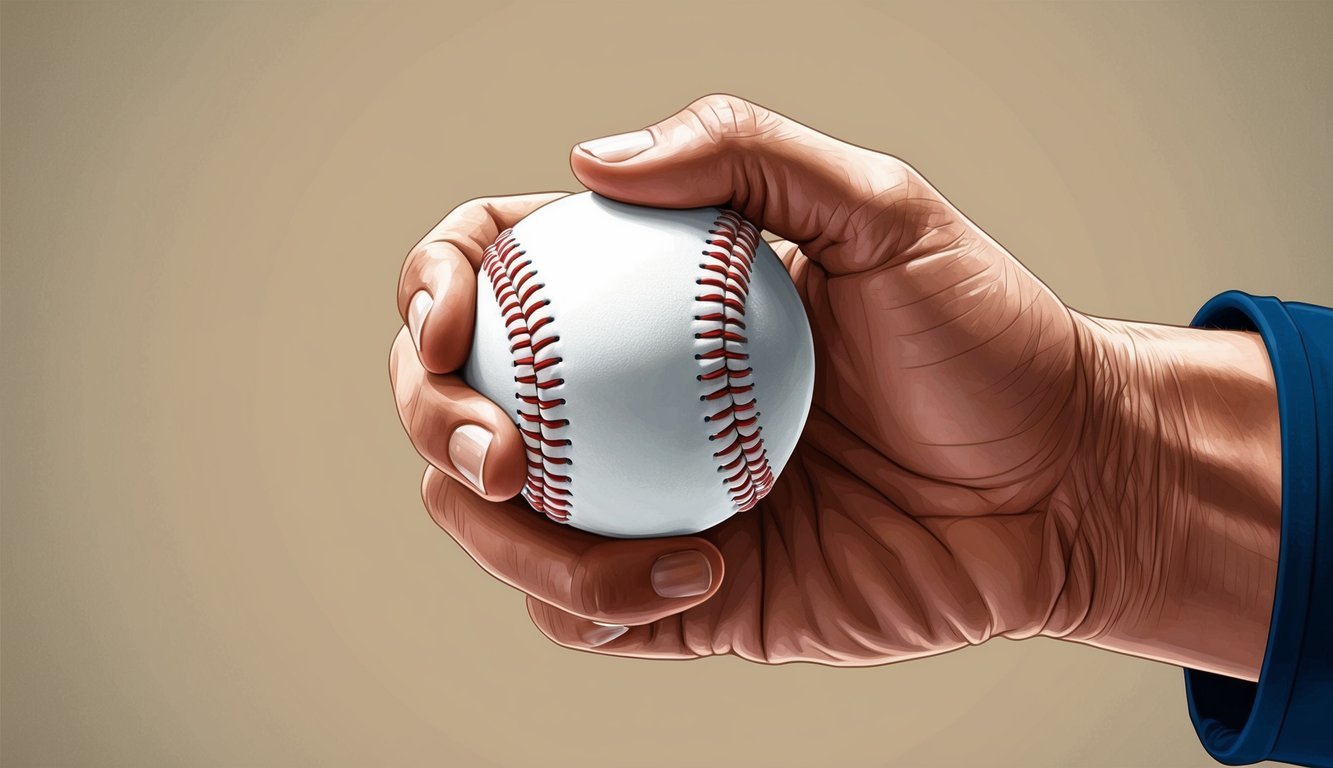
To truly appreciate the mastery involved, one must first understand the fundamental grip. Contrary to the snug four-seamer, the two-seam fastball grip rests squarely on the two vertical seams of the baseball. The key takeaway isn’t just where to place your fingers, but how to approach the ball. Think balance and alignment. Unconventional wisdom might suggest a “flat” hand position, where the fingers and thumb are closer to the ball, allowing the seams to act as guide rails.
Unraveling the Intriguing Physics: The Axis of Misery
The true magic, the reason for its hypnotic dance, lies in its axis of rotation. Fingers snuggled between the parallel seams encourage the pitcher to impart spin that isn’t purely horizontal, like its four-seam counterpart. Instead, the grip promotes a slight torque or tilt along the axis of the pitch. This subtle misalignment is where the physics of drag and lift interject. Air flows faster over raised seams and slower over indentations, generating lift forces upwards on the raised sections of the ball. Because the effective center of rotation is slightly tilted, these forces aren’t uniform, amplifying the movement down and in on a fastball thrown away from the body, or up and in on a pitcher releasing higher.
Grip Location and Release Point: The Precision Point of Impact
Mastery beyond grip placement delves into precise release point control. While a high fastball requires a higher release point to minimize downward trajectory, maximizing the two-seamer’s horizontal plane necessitates a consistent, high arm slot release. The ball should often release above the hip crease or even higher. Here lies another nuance—maintaining arm health while achieving this release. Pronation (rotating the forearm outward) at release subtly shifts the effective grip point, further influencing the seam’s orientation for induced movement. The difference between a sharp two-seamer and one lacking its signature dive emerges from pinpoint release execution.
Leveraging Arm Slot: Anatomy, Angle, and Advantages
The height and angle from which the two-seamer is delivered are critical allies in amplifying its effect. Pitchers with naturally higher arm slots often command the pitch effectively. However, the *execution*—keeping the follow-through tight and level, ensuring the ball doesn’t drop prematurely—is paramount. The elevated release point reduces the time the ball is affected by gravity, lessening downward movement, which paradoxically allows the irregular Magnus lift force to dominate, creating a deceptive downward dive often described as a “crusher” or “dive” trajectory.
Grip vs. 4-Seam: Different Intent, Shared Science
Though often confused, the two-seamer’s primary intent differs from the straightforward ride of its four-seam friend. While both typically travel with velocity near the fastball average, the two-seamer emphasizes movement at the expense of a purely straight trajectory. The four-seam aims for dominance through velocity and a reliable, predictable path. The two-seam seeks to disrupt the hitter’s timing and induce weak contact, creating a vertical-horizontal disruption that mimics the deceptive break of a four-seam screw or off-speed pitch.
The Execution Imperative: Consistency and Subtlety
True command of the two-seam fastball hinges on mastering the fine points. Is your grip consistent across each pitch? Are you maintaining the desired hand position? The transition from a palm-first grip towards a more finger-accentuated placement requires muscle memory and repetition. This grip doesn’t typically generate the highest velocity but places immense stress on a pitcher’s control, focusing the arm action precisely. Failure to execute the release dictates—throwing flat or hugging the seams too tightly—can negate movement or result in unintended outcomes.
Drilling Towards Dominance: Effective Practice Routines
Development isn’t achieved through wishful thinking; deliberate practice is essential. Utilizing camera technology provides invaluable feedback on arm angle consistency, ensuring the ball is released properly. Drills focused on high-tosser mechanics, emphasizing a quick arm action with tight forearm harnessing the ball, can simulate game-like conditions for the two-seamer. Posing specific questions during practice enhances learning: “As I release higher, is the ball truly diving?” “Does early extension reduce movement?” This iterative process, blending physical execution with analytical reflection, cultivates proficiency.
The Enduring Allure of Effective Disruption
In the high-torque, high-velocity landscape of modern baseball, the simple two-seam fastball serves as a potent reminder that effective disruption doesn’t always demand the highest velocity. Its enduring appeal lies in its deceptive simplicity and potent complexity. It’s a pitch that speaks the language of physics through the inherent design of baseball seams and grip interaction. Mastering it requires precision, control, and an intuitive grasp of subtle aerodynamics—an elegant blend of artistry and science that continues to captivate the baseball world.