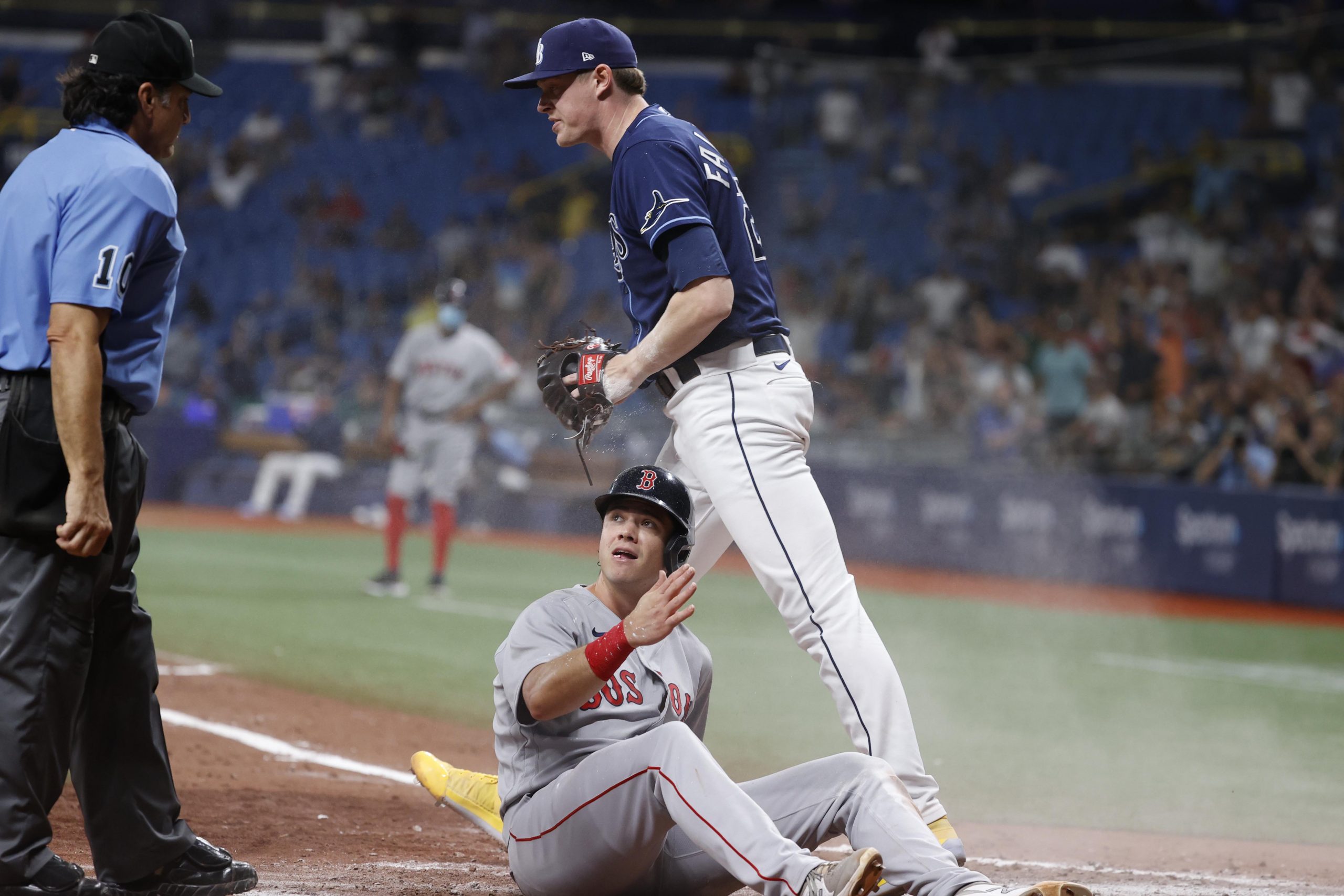
In the evolving landscape of Major League Baseball, lineups have increasingly embraced a nuanced approach to offense — the strategic deployment of platoon bats. While the concept of platooning is far from novel, its resurgence and refinement in 2026 have seemingly altered the dynamics of run production and team construction. The proliferation of specialized hitters designed to exploit oppositional pitching matchups speaks to a broader shift in how franchises perceive and optimize offensive efficiency. This phenomenon goes beyond simple handedness and delves into the intricate psychological and analytical layers that define modern baseball’s strategic lexicon.
The Resurgence of Platoon Advantage
The platoon advantage, at its core, is a straightforward premise: batters perform better when facing pitchers throwing from the opposite side — left-handed batters against right-handed pitchers, and vice versa. Historically, teams have utilized this tendency to gain incremental benefits, but recent developments have elevated platooning from a situational tactic to a fundamental building block in roster construction. In 2026, the statistical validation of platoon splits has compelled managers and front offices to prioritize the acquisition of adaptable players who excel in specific matchups rather than relying solely on traditional full-time starters.
The resurgence owes much to the sophisticated analytics now at the disposal of teams. Advanced metrics illuminate the stark disparities in performance that can exist between opposite-handed matchups, sometimes revealing splits so pronounced that ignoring them could cost a team decisive runs over the course of a season. These granular insights have inspired a new wave of roster flexibility, fostering environments where roles are not fixed but contingent, and where the optimal lineup is a fluid construct tailored daily to exploit opponents.
The Analytical Underpinnings of Platoon Bats’ Success
Beyond the surface-level observation of handedness, the success of platoon bats in 2026 is deeply rooted in the evolution of data science within baseball. The advent of machine learning models and enhanced tracking technologies — such as spin rate, release point, and exit velocity data — has refined the ability to predict hitter performance against specific pitchers. These predictions harness massive datasets to uncover patterns imperceptible to the naked eye, allowing teams to construct platoons with surgical precision.
Moreover, the ascent of defensive shifts and pitcher specialization has contributed to the platoon’s newfound efficacy. Modern pitchers often tweak their arsenals based on batter tendencies, but platoon hitters, rotating into matchups that suit their strengths, neutralize these adjustments to a considerable degree. Consequently, teams that master the interplay between data-driven selection and real-time in-game adjustments find themselves consistently elevating run expectancy. This synergy between statistical modeling and strategic execution is pivotal in why platoon bats are winning leagues.
Psychological Dimensions and the Player Mindset
While statistics and strategy command much of the discourse, the psychological aspects embedded within platoon usage have garnered increasing attention. Batters selected for platoon roles must embody a unique mental framework — one that embraces specialization and impermanence rather than the traditional archetype of everyday players. This necessitates resilience, adaptability, and a keen understanding of one’s role within a larger tactical schema.
The psychological resilience required to maintain peak performance while navigating irregular playing time and varying roles can further amplify a platoon hitter’s impact. These players often cultivate heightened focus during their opportunities, driven by the knowledge that maximizing limited plate appearances is paramount. As teams in 2026 have recognized, fostering environments that support this mentality enhances not only individual output but the collective potency of the batting order.
Economic and Roster Construction Implications
The prevalence of platoon bats also reflects economic considerations facing front offices. In an era of escalating player salaries and luxury tax thresholds, flexibility becomes currency. Platoon hitters, often acquired as cost-effective complementary pieces, provide a mechanism to enhance lineup output without committing premium resources to a single full-time position. This redistribution of payroll towards specialized contributors maximizes return on investment across the roster.
Moreover, playing time fragmentation allows teams to retain more hitters with distinct skill sets, enhancing depth and mitigating injury risk. This multiplicity of options fosters competitive internal environments where players are incentivized to refine situational excellence. The cumulative effect is a roster architecture that is both resilient and optimized for matchup-centric success, qualities that have proven decisive in tightly contested 2026 campaigns.
Impact on Fantasy Baseball and Fan Engagement
The dominance of platoon bats in MLB has rippling consequences beyond the dugout. Fantasy baseball leagues, which thrive on nuanced statistical profundity, have been transformed by the rise of platoon strategies. Drafters and managers must now incorporate a more intricate calculus involving lineup volatility and matchup-specific projections. Understanding the ebb and flow of platoon usage can unlock competitive advantages, particularly in mixed leagues where roster flexibility is paramount.
For fans, the spectacle of platoon deployment introduces an additional layer of intrigue to game-day narratives. Each at-bat carries amplified strategic weight, as managers judiciously rotate players to exploit marginal advantages. This chess-like dimension elevates engagement, provoking deeper appreciation for the tactical undercurrents that shape outcomes. The interplay between data, psychology, and competitive strategy enriches the modern viewing experience and invites sophisticated fan discourse.
Future Trajectories and Evolution of Platoon Usage
Looking forward, the trajectory of platoon batting suggests continued innovation and adaptation. As player development increasingly emphasizes role-specific skills — including proficiency against one side of the mound — the pool of reliable platoon hitters is poised to deepen. Advancements in real-time analytics may also empower managers with enhanced decision-making tools, enabling instantaneous optimization of lineups based on live data feeds.
Furthermore, the boundaries between platoon hitters and everyday players may blur, with multi-positional athletes capable of shifting seamlessly based on matchup demands. The cumulative effect could be a new paradigm in baseball where positional rigidity yields to strategic fluidity, and the classical notion of a “starting lineup” evolves into a dynamic, data-driven mosaic. Ultimately, the continued ascendancy of platoon bats reflects broader themes in baseball’s ongoing metamorphosis — a sport perpetually balancing tradition with innovation.
In sum, the prominence of platoon bats in 2026 encapsulates a multifaceted transformation in Major League Baseball, intertwining statistical sophistication, psychological resilience, economic pragmatism, and fan engagement. This complexity, far from diluting the game’s visceral appeal, enhances its richness. The fascination with platoon strategies hints at a deeper appreciation for baseball’s blend of art and science — a timeless duel reshaped by modern insight.