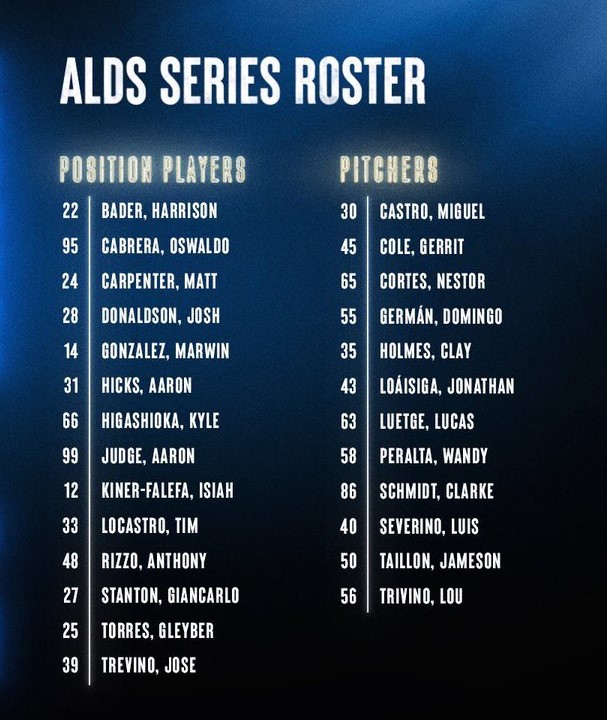
As the crisp October air settled over the Bronx, the 2011 New York Yankees finalized their American League Division Series roster, a compilation of seasoned legends and emergent stars poised to chase the franchise’s 28th World Series title. This wasn’t merely a list of names; it was a declaration of intent, a delicate balance of power, precision, and the intangible will to win that has defined this organization for generations. The stage was set, promising not just a series of games, but a profound narrative arc of a team at a crossroads, eager to prove its enduring championship mettle against formidable opposition and navigate the shifting sands of baseball’s elite.
1. The Unyielding Pursuit of 28: A Dynasty’s Enduring Drive
The core expectation for any Yankees team is championship contention, and the 2011 squad was no different, having secured the AL East with 97 wins. The ALDS roster, therefore, wasn’t just a selection; it was a meticulously crafted instrument designed to overcome the next formidable obstacle. This particular year carried a subtle undertone: the gradual transition of an era. The roster aimed to blend the championship pedigree of its long-standing pillars with the youthful exuberance of its rising stars, all in pursuit of adding another coveted banner to Monument Park.
2. The Sabathia Standard: Bearing the Ace’s Burden
The weight of the Yankees’ postseason aspirations often rested heaviest on the broad shoulders of CC Sabathia, the unquestioned ace of the staff. His presence on the mound was more than just a pitcher delivering strikes; it was a psychological anchor for the entire team, a promise of dominance when it mattered most. As the ALDS approached, the question wasn’t if Sabathia would deliver, but rather how deeply his singular performance could elevate the collective, setting a tone that reverberated through the dugout and across the expectant fanbase. His every pitch carried the gravitas of a potential series-definer.
3. A Rotation of Questions and Potential: The Supporting Arms
Beyond Sabathia, the starting rotation presented a intriguing mix of veteran craftiness and burgeoning talent. Freddy Garcia, Iván Nova, and A.J. Burnett comprised a trio that promised flashes of brilliance intertwined with moments of nail-biting uncertainty. Garcia offered savvy experience, Nova brought a breakout rookie season’s momentum, and Burnett, despite his inconsistencies, always possessed the raw stuff to dominate. Their ability to deliver quality starts would fundamentally shift the pressure dynamics away from a bullpen that had to be preserved for critical junctures.
4. Mariano’s Unseen Clock: The Closer’s Final Symphony
Mariano Rivera, the greatest closer of all time, was on the roster, his cutter still mystifying opposing hitters. Yet, there was an unspoken awareness that each postseason appearance could be among his last. His inclusion wasn’t just about his nearly flawless execution; it was about the psychological warfare he waged, the absolute confidence he inspired. The finality of an era loomed, adding a poignant layer to every one of his saves, transforming them into not just game-enders, but potentially, historical footnotes in his unparalleled career.
5. The Bullpen Bridge Builders: Setting Up the Greatness
The journey to Mariano Rivera often required navigating treacherous waters, and the 2011 bullpen was designed to be a sturdy bridge. David Robertson was emerging as a legitimate setup man, Rafael Soriano brought high-leverage experience, and Boone Logan provided a crucial left-handed specialist. The development and deployment of these arms, alongside the likes of Phil Hughes and Joba Chamberlain transitioning to relief roles, revealed a strategic depth that was paramount. Their reliability in the 7th and 8th innings dictated the accessibility of Rivera’s unmatched closing prowess.
6. Russell Martin: The New Backstop Blueprint
Russell Martin’s arrival provided a significant upgrade in defensive prowess behind the plate, handling the pitching staff with an authoritative presence and exceptional framing skills. His ability to call a game and control the running game was a vital component in an era where power pitching was king. Martin also contributed offensively with surprising pop and clutch hitting, signaling a shift in the traditional Yankees catcher role from purely offensive to a more balanced, defensively-minded keystone for the staff.
7. Posada’s Final Chapter: The Veteran’s Evolving Role
Jorge Posada, a foundational member of the “Core Four,” found himself in a new, albeit vital, role as the primary designated hitter and a crucial left-handed bat. His transition from everyday catcher was an emotional one, but his veteran leadership, clutch hitting, and institutional knowledge remained invaluable. His presence on the roster represented not just a bat, but a living connection to the team’s most recent dynasty, offering a psychological boost and a steadying influence in the clubhouse during the pressures of October.
8. Teixeira’s Dual Threat: Power and Gold at First
Mark Teixeira anchored first base with his customary blend of Gold Glove defense and switch-hitting power. His ability to hit home runs from both sides of the plate, especially in the clutch, was a cornerstone of the Yankees’ lineup. More subtly, his defensive range and ability to scoop errant throws saved countless runs and provided invaluable stability to the infield, often making challenging plays look routine and offering a hidden advantage in close contests.
9. Cano’s Ascent to Stardom: The Second Base Maestro
Robinson Cano was firmly establishing himself as one of the game’s premier second basemen, combining an effortless, sweet swing with smooth defensive wizardry. His offensive production—power, average, and clutch hitting—was undeniable, often providing the critical runs needed to turn the tide. Cano’s cool demeanor under pressure and his consistent excellence promised a future superstar in his prime, and this ALDS was another platform for him to solidify that reputation.
10. Jeter: The Enduring Captaincy and Clutch Factor
Derek Jeter, the Captain, though past his athletic peak, remained the heart and soul of the team. His leadership transcended statistics, providing an unwavering resolve and an unmatched ability to rise to the occasion in critical moments. His presence alone commanded respect from opponents and inspired his teammates. The roster included Jeter not just for his bat or glove, but for his intangible aura of championship history and his unique capacity to elevate the entire squad when the lights shone brightest.
11. Rodriguez: The Postseason X-Factor
Alex Rodriguez, despite his myriad pressures, was still a monumental force in the lineup. His power potential at third base was a constant threat, capable of changing a game with a single swing. However, his postseason narrative often carried an unpredictable weight. His performance in the ALDS was seen as a potential barometer for the team’s ultimate ceiling, emphasizing that when A-Rod was locked in, the Yankees offense transformed into an even more dangerous beast.
12. Granderson’s Power Surge: A Cornerstone in Center
Curtis Granderson enjoyed a career year in 2011, establishing himself as an elite power hitter with an impressive blend of speed and defense in center field. His monstrous home run totals added a new dimension to the Yankees’ already potent lineup. Granderson’s dynamic play promised not only significant offensive production but also game-changing speed on the bases and stellar coverage in the outfield, making him a true five-tool threat in October.
13. Gardner’s Game-Changing Speed: The Leadoff Sparkplug
Brett Gardner provided a crucial element of speed and disciplined plate appearances from the leadoff spot. His ability to get on base, steal bases, and play elite defense in left field was invaluable. Gardner’s disruptive presence on the basepaths could force pitching mistakes and rattle opponents, creating scoring opportunities out of seemingly innocuous singles. His specific skill set was designed to be a persistent thorn in the side of any opposing defense.
14. Swisher’s Enthusiasm and Production: The Right Field Catalyst
Nick Swisher brought an infectious enthusiasm and consistent offensive production to right field. His switch-hitting ability and disciplined approach at the plate provided balance and depth to the lineup. Beyond his statistical contributions, Swisher’s vibrant personality and positive energy were crucial for clubhouse morale, especially during the intense pressures of the postseason. He was more than a player; he was a catalyst for positive team dynamics.
15. The Veteran Bench Savvy: Depth and Versatility
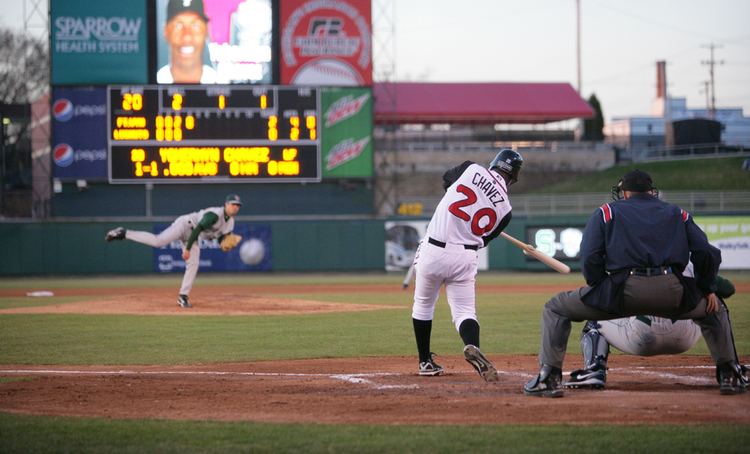
The inclusion of players like Eric Chavez, Andruw Jones, and Eduardo Nuñez provided critical bench depth, versatility, and veteran experience. Chavez offered a strong left-handed bat against right-handed pitching and solid defense at third base. Jones, a former superstar, provided a powerful bat off the bench and capable outfield defense. Nuñez offered speed and defensive flexibility across the infield. This collection of complementary skills meant Joe Girardi had strategic options to counter any in-game situation, promising tactical shifts that could swing momentum.