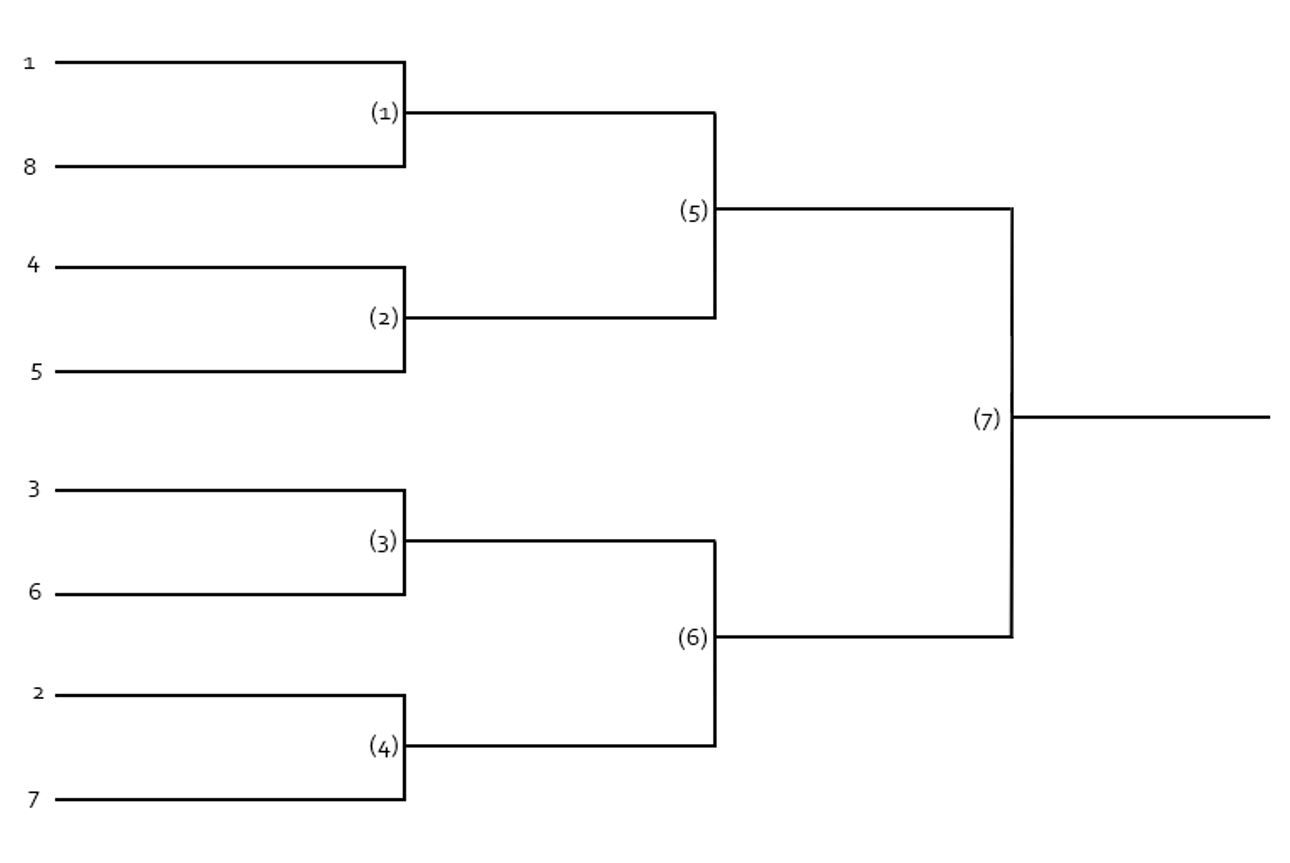
Imagine a baseball tournament where every swing of the bat could either catapult a team to glory or send them plummeting into the abyss of elimination—all in the span of a single game. This is the electrifying essence of an 8-team single-elimination bracket, a format that transforms the diamond into a crucible of pressure, strategy, and raw athletic prowess. Unlike its multi-game counterparts, this system distills the drama of competition into a high-stakes gauntlet where one misstep is irrevocable. It’s not just a tournament; it’s a narrative of triumph and tragedy, written in the language of clutch hits and defensive gems. For players and spectators alike, the single-elimination bracket is the purest distillation of sport: a merciless sieve that crowns a champion in the span of a few innings, where every pitch carries the weight of a season’s hopes.
The Crucible of Elimination: Why Single-Elimination Demands Perfection
In the world of sports, few formats test the mettle of competitors like single-elimination. Here, the margin for error is nonexistent, and the stakes are immediate. An 8-team bracket compresses the essence of competition into a relentless sequence of must-win showdowns, where the victor advances and the vanquished vanishes. This is not a tournament for the faint of heart; it’s a gauntlet where consistency is king, and even the most talented teams can be felled by a single off-day. The format’s beauty lies in its ruthlessness—it doesn’t reward longevity or resilience over time; it rewards peak performance in the moment. For coaches, this means meticulous preparation and a roster capable of delivering under the harshest scrutiny. For players, it’s a baptism by fire, where the crucible of elimination forges legends or exposes flaws with brutal clarity.
The Bracket as a Chessboard: Strategy in a High-Stakes Game
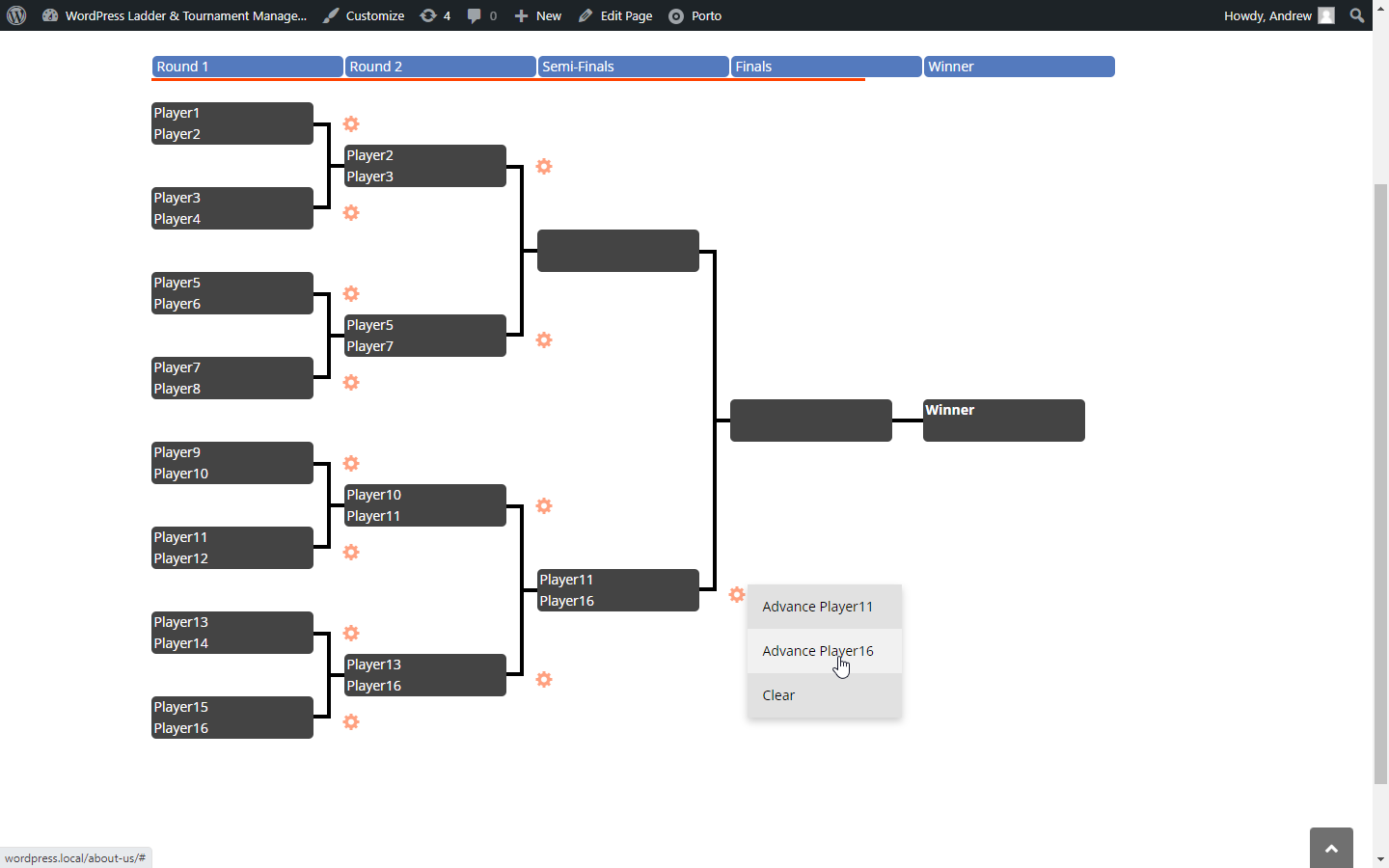
An 8-team single-elimination bracket is more than a roadmap to a championship—it’s a strategic chessboard where every matchup is a gambit. The placement of teams in the bracket isn’t arbitrary; it dictates the path to glory, and savvy coaches will study their opponents’ strengths and weaknesses like generals surveying a battlefield. Will you face the tournament’s top seed in the first round, or can you navigate a softer path to the semifinals? The bracket’s structure forces teams to adapt, to exploit weaknesses, and to conserve resources for the inevitable clash with the bracket’s heavyweights. Pitching rotations must be managed with surgical precision, as a single overworked arm in the early rounds could spell doom later. Offensive strategies pivot from aggressive small-ball to power-hitting based on the opponent’s vulnerabilities. In this format, the bracket isn’t just a guide—it’s a silent adversary, shaping the tournament’s narrative before a single pitch is thrown.
The Drama of One-and-Done: How Single-Elimination Elevates the Spectacle
There’s an undeniable allure to the one-and-done format, a quality that turns casual observers into rabid fans and transforms regional tournaments into national spectacles. When every game is a potential season-ender, the atmosphere crackles with tension. The stands are packed with fans whose voices strain to drown out the roar of the crowd, and broadcasters lean into the melodrama of high-stakes baseball. The single-elimination bracket doesn’t just create drama—it amplifies it, turning a routine double play into a moment of catharsis or a walk-off home run into a coronation. For broadcasters, it’s a gift: no need for multi-game sagas when a single inning can decide a champion. For sponsors, it’s a prime opportunity to align with the raw emotion of victory and defeat. And for the players? It’s the chance to etch their names into history with a single swing, a single pitch, a single moment of brilliance that outshines all others.
The Underdog’s Gambit: How the Format Levels the Playing Field
While the single-elimination bracket is often seen as a gauntlet for the elite, it’s also the great equalizer—a format where David can slay Goliath with a single well-placed stone. In a multi-game series, a team’s depth and consistency often prevail, but in a one-and-done tournament, a hot streak or a pitching gem can topple even the most formidable opponents. This is the format’s democratic appeal: it doesn’t matter how many games you’ve won in the regular season if you can’t deliver when the lights shine brightest. For underdogs, the bracket is a lifeline—a chance to shock the world with a single, unforgettable performance. Coaches know this, and they’ll craft strategies to exploit the bracket’s unpredictability, deploying unconventional tactics to keep higher-seeded teams guessing. The result? A tournament where the improbable isn’t just possible—it’s expected.
The Psychological Chess Match: Mental Fortitude in the Crucible
Beneath the surface of every pitch and swing in an 8-team single-elimination bracket lies a battle of minds as much as bodies. The psychological toll of knowing one loss means the end of the road is immense. Players must compartmentalize pressure, blocking out the noise of expectation and the weight of their team’s dreams. Coaches become psychologists, crafting pep talks that resonate in the locker room and devising game plans that account for the intangibles—momentum, confidence, and the unshakable belief that they belong. The mental game is where champions are separated from contenders. A team that can maintain focus in the face of adversity, that can thrive under the microscope of high stakes, will find itself advancing when others crumble. This is the silent war waged in the dugout, where the victor is often the one who can outthink, not just outplay, their opponent.
The Legacy of a Champion: How Single-Elimination Forges Legends
To win an 8-team single-elimination tournament is to etch your name into the annals of baseball history with a permanence that multi-game formats can’t replicate. The champion doesn’t just earn a trophy; they earn a legacy defined by clutch performances, by the ability to rise to the occasion when it matters most. Fans will remember the team that navigated the bracket’s treacherous path, not the one that slogged through a marathon of games. The format’s brevity ensures that the champion’s journey is a story of dominance, not attrition. For players, the memory of hoisting that trophy after a series of must-win games becomes a defining chapter in their careers—a testament to their skill, their nerve, and their refusal to accept defeat. In the world of single-elimination, the champion isn’t just the best team; they’re the team that seized destiny by the throat and refused to let go.