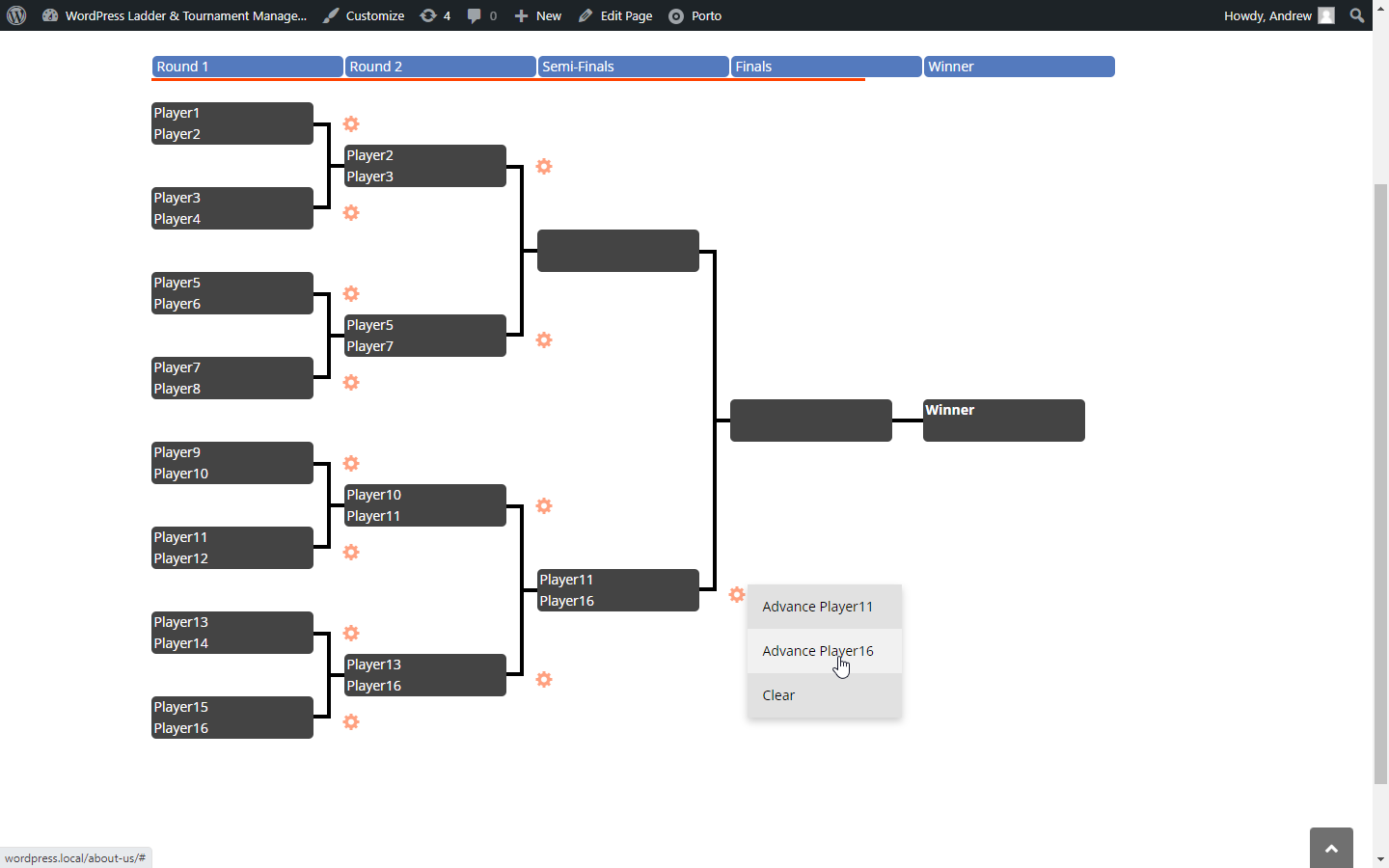
Imagine a baseball season as a grand symphony, where each game is a note, and the tournament bracket is the conductor’s score—guiding the crescendo of competition toward a single, unforgettable finale. For beginners, the world of tournament brackets in baseball can seem like an intricate labyrinth of wins, losses, and sudden eliminations. Yet, beneath the surface lies a beautifully structured system designed to crown the most resilient team in a thrilling display of strategy and grit. Whether you’re a die-hard fan or a casual observer, understanding how these brackets function will transform the way you watch the game. Let’s embark on a journey through the mechanics, metaphors, and unique allure of baseball tournament brackets.
The Anatomy of a Bracket: Where Structure Meets Drama
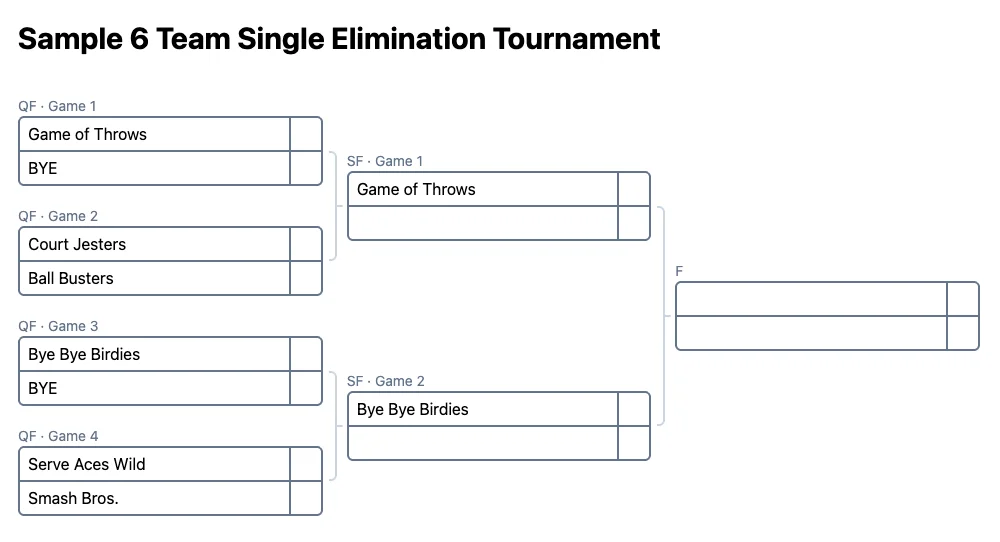
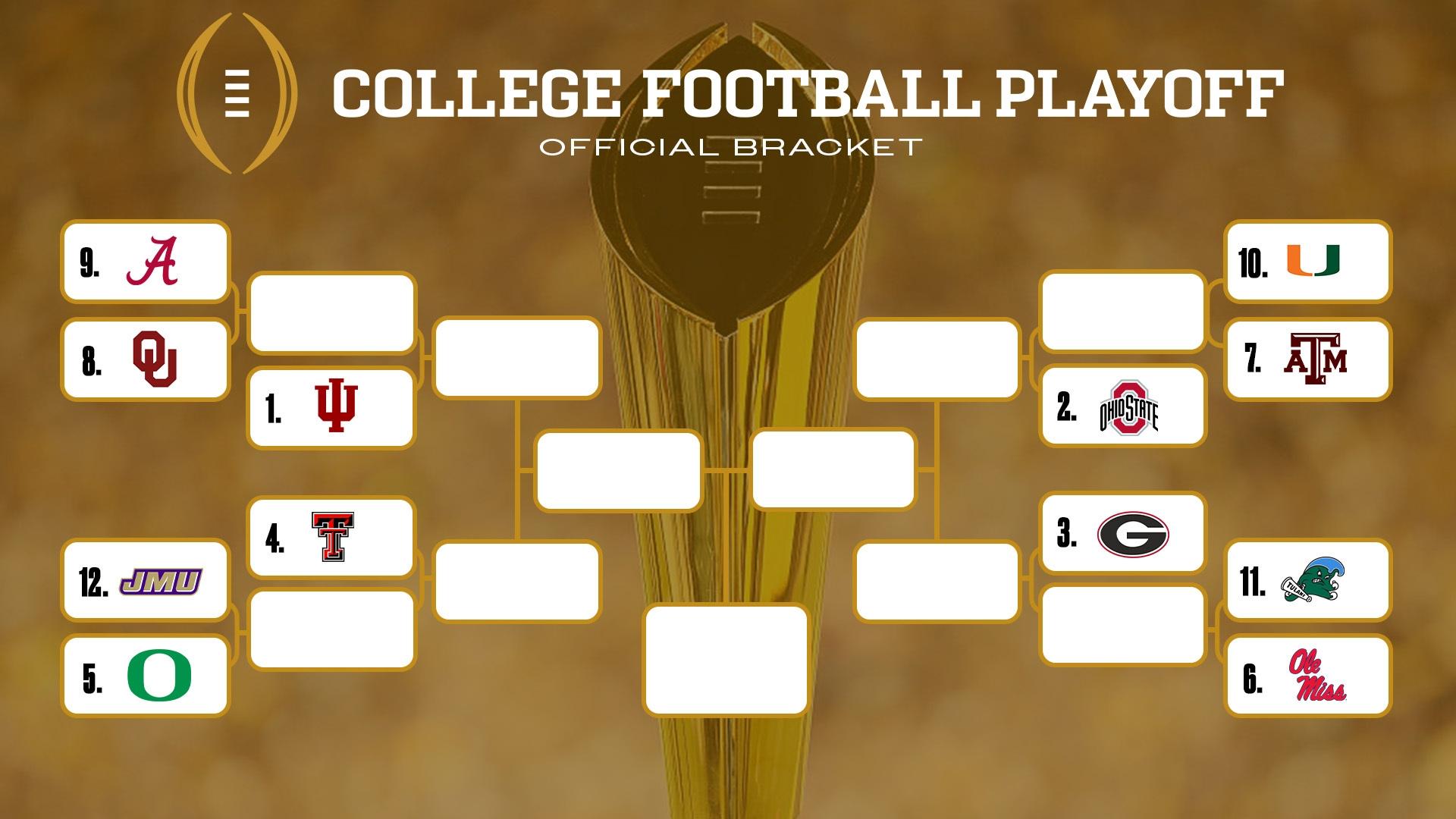
A baseball tournament bracket is more than a flowchart—it’s a living organism, pulsating with the heartbeat of competition. At its core, a bracket is a visual representation of a single-elimination tournament, where each loss signals an early exit and each win propels a team closer to glory. The structure typically begins with a set number of teams, often seeded based on regular-season performance or preliminary rounds. These seeds determine the initial matchups, with higher-seeded teams facing lower-seeded opponents in a bid to avoid early upsets.
The beauty of this system lies in its simplicity and ruthlessness. Unlike round-robin formats where every team plays multiple games, a bracket ensures that only the strongest survive. Picture it as a gauntlet: teams must navigate a series of high-stakes duels, where one misstep can erase months of effort. The bracket’s design is symmetrical, with each round halving the number of competitors until a champion emerges. This symmetry isn’t just aesthetic—it’s a testament to the fairness of the competition, where every team has an equal opportunity to rise through the ranks.
Seeding: The Art of Strategic Placement
Seeding is the invisible hand that shapes the destiny of teams within a tournament bracket. It’s a delicate balance between rewarding past performance and acknowledging the unpredictable nature of sports. Higher seeds are typically placed in positions that shield them from early confrontations with other top contenders, a strategy known as “protecting the bracket.” This ensures that the most formidable teams don’t collide until the later rounds, preserving the narrative of David versus Goliath until the final act.
Yet, seeding is not an exact science. Upsets—those glorious moments where the underdog defies the odds—are the lifeblood of tournament brackets. A lower-seeded team’s unexpected victory can send shockwaves through the bracket, reshuffling the path to the championship. This unpredictability is what makes seeding both fascinating and nerve-wracking. Fans cling to the hope that their favorite team, no matter how lowly their seed, might just pull off a miracle. It’s a reminder that in baseball, as in life, destiny is never written in stone.
The Playoff Format: A Marathon Condensed into a Sprint
Playoffs in baseball are a masterclass in tension, where the regular season’s grind is distilled into a high-pressure sprint. The bracket format accelerates the drama, compressing weeks of baseball into a series of do-or-die games. Unlike the marathon of a 162-game season, the playoffs are a sprint where every pitch, swing, and play carries exponentially more weight. A single error in the field or a clutch home run can shift the entire trajectory of a team’s postseason journey.
This format also introduces a unique layer of strategy. Managers must decide when to deploy their ace pitchers, when to pinch-hit for a slugger, or when to pull a starter early to preserve a lead. The bracket’s structure forces these decisions to be made with surgical precision, as one miscalculation can derail a season. It’s a chess match played out on a diamond, where the stakes are measured in runs, not just wins. The playoff format turns baseball into a spectacle of pressure, where the smallest details can mean the difference between glory and heartbreak.
Wild Cards and Upsets: The Plot Twists of the Bracket
No discussion of baseball brackets would be complete without acknowledging the wild card—a wildcard, if you will, in the grand scheme of the tournament. Wild card spots are reserved for teams that didn’t clinch a division title but performed well enough to earn a shot at the championship. These teams inject an element of unpredictability into the bracket, often serving as spoilers who disrupt the carefully laid plans of higher-seeded opponents.
Upsets are the soul of tournament brackets. They’re the moments that turn casual fans into believers and skeptics into dreamers. A wild card team’s victory over a division champion isn’t just a win—it’s a story. It’s the tale of the underdog who defied the odds, the team that refused to accept the narrative written for them. These upsets are what make brackets so compelling. They remind us that in baseball, as in life, the most extraordinary stories often come from the unlikeliest of places. The bracket isn’t just a roadmap to the championship; it’s a canvas for the unexpected.
The Championship Game: A Climax Written in the Stars
The final game of a baseball tournament bracket is the crescendo of a season-long symphony. It’s the moment when all the drama, strategy, and heartache collide in a single, unforgettable showdown. The two remaining teams stand on the precipice of history, their fates hanging in the balance with every pitch. The bracket’s journey has led them here, but the outcome is anything but certain. This is the moment where legends are made and careers are defined.
For the winning team, the championship is the culmination of a journey that began months—or even years—earlier. It’s the reward for resilience, strategy, and sheer determination. For the losing team, it’s a bitter pill to swallow, a reminder of the fine margins that separate greatness from heartbreak. Yet, even in defeat, there’s dignity. The bracket’s structure ensures that every team’s story is told, every triumph and tragedy etched into the annals of baseball history.
The championship game is more than a game. It’s a spectacle, a celebration of the sport’s unique blend of skill, strategy, and spectacle. It’s the moment when the bracket’s magic is fully realized, when the abstract becomes tangible, and when the dreams of millions of fans hang in the balance. In that single game, the entire tournament’s narrative is distilled into 90 minutes of pure, unadulterated baseball.
Why Brackets Captivate: The Unique Appeal of Tournament Baseball
Baseball brackets hold a unique appeal because they distill the essence of the sport into its purest form. They strip away the noise of a long season and focus on the drama of high-stakes competition. The bracket’s structure ensures that every game matters, that every play could be the difference between advancing and going home. It’s a format that rewards excellence while leaving room for the unpredictable, the magical, the unforgettable.
For fans, brackets are a source of endless debate and speculation. Will the underdog pull off another miracle? Can the top seed withstand the pressure? The bracket becomes a shared experience, a conversation starter, and a reason to stay glued to the screen. It’s a format that turns casual viewers into invested fans, who find themselves emotionally invested in teams they might not have followed otherwise.
In the end, baseball brackets are more than a system—they’re a celebration of the sport’s spirit. They’re a reminder that baseball is more than just a game. It’s a story, a journey, and a spectacle all rolled into one. The bracket is the thread that weaves these elements together, creating a tapestry of triumph, heartbreak, and everything in between. It’s why, for millions of fans, the tournament season is the most exciting time of the year.