In the vast landscape of baseball card collecting, few prospects generate as much intrigue as those who burst onto the scene with a combination of raw talent and high expectations. Deivi García, the diminutive right-handed pitcher whose MLB debut in 2020 left fans and analysts alike buzzing, has since become a focal point for collectors seeking the next hidden gem in the hobby. His rookie cards, particularly those from his early Bowman and Panini releases, have quietly emerged as sleeper picks—cards that offer both nostalgic appeal and potential long-term value. For enthusiasts willing to look beyond the surface, García’s cardboard portfolio presents a compelling case for investment, whether as a speculative play or a sentimental keepsake tied to a pitcher whose career trajectory remains as unpredictable as it is fascinating.
What makes García’s rookie cards so intriguing isn’t just their scarcity or the hype surrounding his debut. It’s the story they tell—a narrative of a young arm whose electric fastball and devastating curveball once made him one of the most tantalizing pitching prospects in baseball. That story, etched onto cardboard, becomes a tangible piece of history for collectors. But is it worth the gamble? To answer that, we’ll dissect the key aspects of García’s rookie card market, exploring the different types of content collectors can expect from his cards, the factors driving their value, and why certain editions might be the hidden aces in your collection.
The Allure of García’s MLB Debut Card: A Moment Frozen in Time
The most iconic of García’s rookie cards is undoubtedly his MLB debut card, a snapshot of the moment he stepped onto the mound for his first big-league appearance. These cards capture the raw emotion of a player’s first taste of the majors, and García’s debut in 2020 was no exception. His debut card, often featuring a dynamic action shot or a candid moment in the dugout, serves as a visual anchor for collectors who witnessed—or wish they had witnessed—his rise. The appeal lies in its authenticity; it’s not just a card of a prospect, but a card of a player who has already achieved one of baseball’s most coveted milestones.
For collectors who prioritize narrative over rarity, the debut card is a must-have. Its value isn’t solely tied to García’s on-field performance; it’s tied to the story it represents. The card’s design, often featuring the team’s colors and the iconic MLB logo, adds to its visual appeal. Whether it’s a base Topps card or a limited parallel, the debut card is a piece of history that resonates with fans who remember García’s journey from the minors to the majors. It’s the kind of card that doesn’t just sit in a binder—it sparks conversations, evokes memories, and becomes a centerpiece in any collection.
Autographed Gems: The Chase for García’s Signature
Autographed rookie cards are the crown jewels of any prospect’s cardboard portfolio, and García’s autographed editions are no exception. The market for his signed cards is a microcosm of the broader autograph-collecting world, where scarcity, player engagement, and the allure of a personalized touch collide. García’s autographs appear on a variety of cards, from base Bowman releases to limited-edition parallels and autograph-only inserts. The most sought-after versions often feature his signature on the front of the card, a design choice that enhances the card’s aesthetic appeal while also making the autograph more visible and collectible.
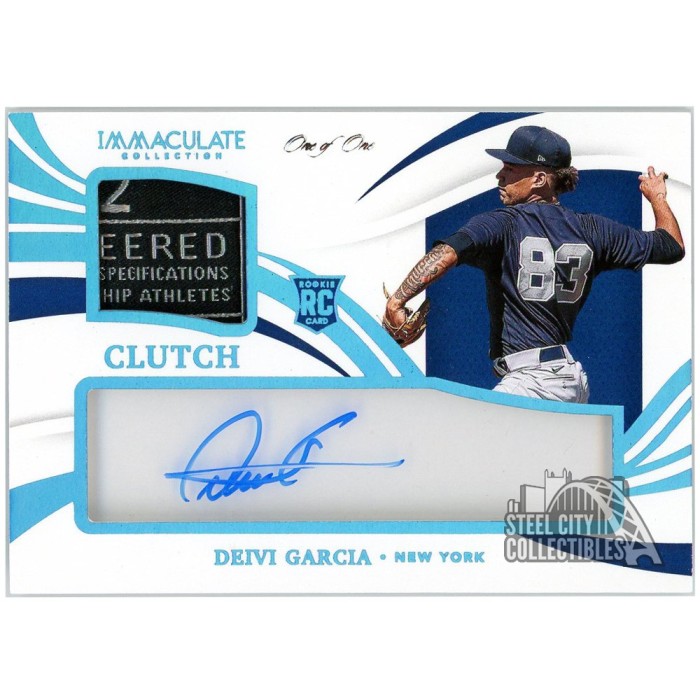
One of the standout autographed cards is the 2021 Panini Immaculate Clutch Rookie Tag Patch Autograph. This card isn’t just a signed rookie card; it’s a patch autograph, meaning it includes a piece of a game-used jersey or bat, adding a layer of exclusivity that elevates its status. Patch autographs are highly coveted by collectors who appreciate the added memorabilia element, and García’s version is a prime example of how these cards can become the centerpiece of a high-end collection. The combination of his signature, the patch, and the card’s limited print run makes it a triple threat in terms of desirability.
For collectors who prefer a more traditional autograph experience, García’s base autographed rookie cards are a solid entry point. These cards, often featuring his signature on the front or back, are more accessible in terms of price but still offer the thrill of owning a piece of his personal touch. The key to navigating the autograph market is understanding the different tiers of scarcity. Limited-edition parallels, autograph-only inserts, and serial-numbered cards all carry varying levels of risk and reward, making them ideal for collectors who enjoy the chase as much as the acquisition.
Parallels and Inserts: The Hidden Depths of García’s Rookie Card Market
Parallels and inserts are where the rookie card market truly comes alive, offering collectors a dizzying array of options to suit every budget and collecting philosophy. García’s rookie card portfolio is no different, featuring a range of parallels and inserts that cater to both casual fans and hardcore enthusiasts. The most common parallels, such as the Topps Chrome refractors or the Bowman Sterling editions, are widely available but still hold appeal for those who appreciate the shimmering aesthetic of a refractor or the premium feel of a Sterling card. These cards are often the first step into García’s cardboard universe, providing a taste of what’s possible without breaking the bank.
For collectors willing to dig deeper, the world of numbered parallels and limited-edition inserts opens up a treasure trove of possibilities. Cards like the Topps Tier One or the Bowman Draft Picks & Prospects inserts are serial-numbered, often to just a few hundred copies, making them instant grails for those in the know. The allure of these cards lies in their scarcity, but also in their design. Many inserts feature unique artwork, foil treatments, or even relics, adding layers of complexity to García’s rookie card narrative. A numbered parallel might not be as visually striking as a base card, but its rarity ensures it will always hold a special place in a collection.
One of the most intriguing aspects of García’s insert market is the variety of themes and designs. From cards that celebrate his international heritage to those that highlight his pitching repertoire, the inserts offer a glimpse into the different facets of his career. Collectors who enjoy thematic collecting will find plenty to sink their teeth into, whether it’s a card that showcases his curveball or one that pays homage to his Dominican roots. The key is to identify which inserts resonate most with your collecting style and budget, as the market for these cards can be as unpredictable as García’s fastball.

Grading and Authentication: Protecting Your Investment
No discussion of rookie cards would be complete without addressing the elephant in the room: grading and authentication. In a market where condition is king, the difference between a PSA 9 and a PSA 10 can mean the difference between a card that’s merely desirable and one that’s genuinely valuable. For García’s rookie cards, grading isn’t just about protecting your investment—it’s about preserving the story the card tells. A well-graded card ensures that the narrative remains intact, free from the blemishes of wear and tear that can diminish its appeal.
The grading process itself is a blend of science and art, with companies like PSA, BGS, and SGC employing rigorous standards to evaluate a card’s condition. For collectors, the choice of grader can be as personal as the cards they collect. PSA, for example, is known for its conservative grading, which can result in lower overall grades but also greater consistency. BGS, on the other hand, is celebrated for its subgrades, which provide a more detailed breakdown of a card’s condition. The key is to understand the strengths and weaknesses of each grading service and to choose one that aligns with your collecting goals.
Authentication is another critical aspect of the rookie card market, particularly for autographed cards. The proliferation of counterfeit autographs has made it essential for collectors to verify the legitimacy of their García cards. Services like PSA/DNA and JSA offer authentication and grading for autographed cards, providing peace of mind that the signature on your card is the real deal. For high-value autographs, this step is non-negotiable, as the market for fakes can be as lucrative as the market for the real thing. Investing in authentication isn’t just about protecting your wallet—it’s about preserving the integrity of your collection.
The Future of García’s Rookie Cards: A Speculative Play or a Long-Term Hold?
The million-dollar question for collectors is whether García’s rookie cards are a speculative play or a long-term hold. The answer, as with most things in the hobby, depends on a variety of factors, including García’s performance, market trends, and the broader landscape of baseball card collecting. On one hand, García’s rookie cards offer a compelling narrative—a young pitcher with electric stuff who has the potential to become a household name. If his career takes off, the value of his rookie cards could skyrocket, making them a shrewd investment for those willing to take the risk.
On the other hand, the baseball card market is notoriously volatile, with values fluctuating based on everything from player performance to broader economic trends. García’s rookie cards, while appealing, are not without risk. His career has been marked by inconsistency, and injuries have derailed his progress at times. For collectors who prioritize stability over speculation, García’s rookie cards might be better suited as a sentimental addition to their collection rather than a financial play. The key is to approach the market with a clear strategy, whether that means focusing on high-end autographs, chasing rare parallels, or simply enjoying the thrill of the chase.
Ultimately, the value of García’s rookie cards lies in their ability to tell a story. Whether that story ends with García becoming a perennial All-Star or fading into the background of baseball history, the cards themselves remain a tangible connection to his journey. For collectors, that connection is priceless—a reminder of why we fell in love with the hobby in the first place.
As the baseball card market continues to evolve, García’s rookie cards stand as a testament to the enduring appeal of prospect collecting. They are more than just pieces of cardboard; they are windows into the past, snapshots of a moment when a young pitcher’s dreams were just beginning to take shape. Whether you’re a seasoned collector or a newcomer to the hobby, García’s rookie cards offer a unique opportunity to be part of that story. So, is he a sleeper pick? The answer may depend on who you ask—but one thing is certain: his cardboard legacy is already a home run.