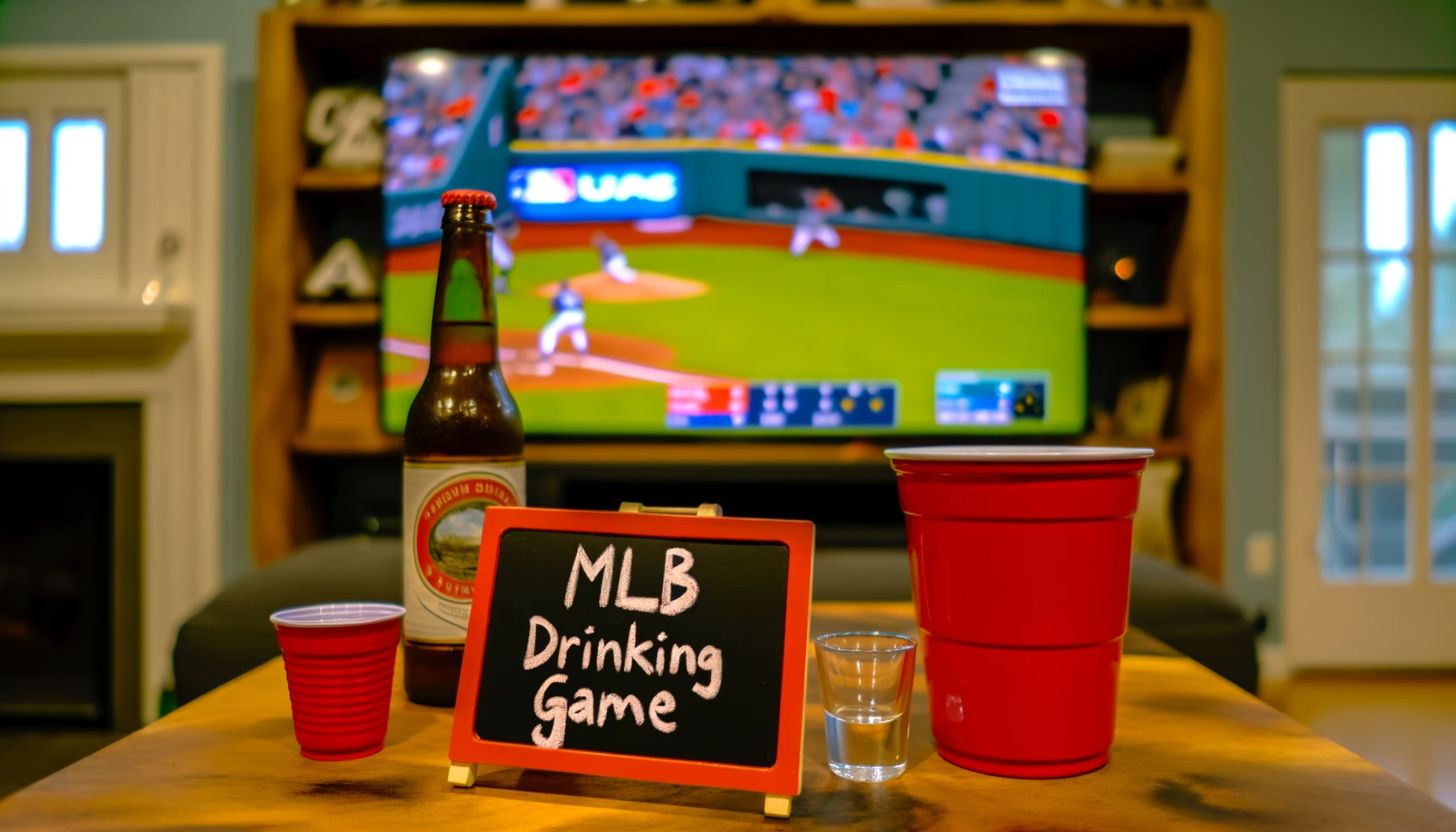
Baseball’s crack of the bat, the roar of the crowd, the scent of freshly cut grass—these are the hallmarks of a classic MLB game. But beneath the surface of America’s pastime lies a less celebrated tradition: the beer in hand. What are fans really drinking when they cheer on their teams? The answer reveals more than just a beverage choice; it’s a cultural snapshot, a ritual, and, for many, a ritualistic necessity.
The Ritual of the Seventh-Inning Stretch: More Than a Song and a Sip
Every baseball game, without fail, pauses for the Seventh-Inning Stretch. Fans rise, stretch their legs, and—more often than not—reach for a beer. This isn’t coincidental. The stretch is a psychological reset, a moment to refocus before the game’s final act. Beer, with its carbonation and bitterness, acts as a palate cleanser—not just for the taste buds, but for the mind. It’s a brief escape, a communal pause where strangers become fellow revelers. The choice of beer here is rarely adventurous; it’s reliable. A cold lager, a crisp pilsner, or a straightforward IPA dominate the scene. These aren’t drinks of complexity; they’re drinks of comfort, of tradition. They mirror the game itself: predictable, yet deeply satisfying.
Craft Beer’s Infiltration: When the Bleachers Got Sophisticated
Once upon a time, the ballpark beer menu was a wasteland of generic domestic brands. Today, it’s a craft beer lover’s paradise. Stadiums now boast local brews, limited-edition releases, and even barrel-aged stouts. Why the shift? The answer lies in the evolution of the fanbase. Millennials and Gen Z, with their penchant for artisanal everything, demanded better. But it’s more than just a generational preference. Craft beer in baseball stadiums is a statement—a nod to regional pride. When the Milwaukee Brewers pour a locally brewed IPA, they’re not just selling a drink; they’re selling a piece of Wisconsin. The same goes for the San Diego Padres’ craft beer gardens, where fans can sample small-batch brews while watching the game. This isn’t just beer; it’t a cultural ambassador, bridging the gap between the team and its community.
The Dark Side of the Beer Bucket: When the Brews Go Too Far
Yet, for all its charm, the beer at the ballpark has a shadow side. The same liquid that loosens tongues and bonds strangers can also fuel rowdiness, aggression, and even violence. Stadiums are microcosms of society, and where there’s alcohol, there’s the potential for excess. The MLB has long grappled with this reality, implementing policies like beer sales cutoffs in the late innings or designated driver programs. But the problem persists. Why? Because beer is more than a drink in baseball—it’s a social lubricant, a performance enhancer, a way to amplify the highs of victory and drown the lows of defeat. When the Cubs lose, fans drink. When the Red Sox win, fans drink. The beer doesn’t care about the score; it only cares about the moment. And that’s the danger. The same elixir that makes the game fun can also make it unruly.
Regional Pride in a Can: How Beer Tells the Story of a Team’s Home
Walk into any MLB stadium, and you’ll find more than just the team’s colors on display. You’ll find the flavors of its home. The Atlanta Braves pour SweetWater brews, a nod to Georgia’s thriving craft beer scene. The Colorado Rockies offer sours and IPAs, reflecting the state’s hop-heavy brewing culture. Even the New York Yankees, in their infinite wisdom, have embraced local craft beer, serving up Brooklyn Brewery’s flagship brews. This isn’t just about taste; it’s about identity. Beer is a way for teams to connect with their fanbase on a deeper level. When a Chicago Cubs fan cracks open a Goose Island IPA, they’re not just drinking a beer—they’re drinking a piece of Chicago’s soul. It’s a subtle form of branding, one that turns a simple beverage into a symbol of loyalty.
The Science of Suds: Why Beer Enhances the Baseball Experience
There’s a reason beer and baseball go together like peanut butter and jelly. The carbonation in beer stimulates saliva production, which enhances the perception of flavor. The bitterness of hops can cut through the richness of ballpark food, making every bite of a hot dog or nacho more enjoyable. And then there’s the alcohol itself—a mild depressant that lowers inhibitions and heightens the emotional highs of the game. Studies have shown that moderate alcohol consumption can increase sociability and reduce stress, two things every baseball fan needs when their team is down by three in the ninth. But it’s not just about the science. It’s about the ritual. The clink of a beer can, the hiss of a tab being pulled, the first cold sip on a sweltering summer day—these are sensory experiences that elevate the game from a mere sport to a full-blown spectacle.
From the Dugout to the Bleachers: How Players and Fans Share the Beer Bond
Baseball’s relationship with beer isn’t confined to the stands. Players, too, have a long and complicated history with the brew. Babe Ruth was famous for his love of beer, and modern players aren’t far behind. Some teams have even embraced the tradition, offering craft beer in the clubhouse or hosting beer tastings for players and fans alike. But it’s not just about the players’ indulgence. It’s about the shared experience. When a fan raises a beer to toast a home run, they’re doing the same thing a player does after a big win. It’s a universal language, one that transcends skill, age, and background. In that moment, the beer isn’t just a drink—it’s a bridge between the dugout and the bleachers.
The Future of Ballpark Beer: Sustainability, Innovation, and the Next Big Flavor
The future of beer at the ballpark is a blend of tradition and innovation. Stadiums are increasingly adopting eco-friendly practices, from compostable cups to local sourcing, ensuring that the beer’s impact on the planet is as refreshing as its taste. Meanwhile, brewers are experimenting with bold new flavors—think chili-infused IPAs or hazy double IPAs—designed to stand out in a crowded market. But the real innovation might be in the experience itself. Some stadiums are introducing beer gardens with expansive taps, food pairings, and even brewing demonstrations. Others are leveraging technology, using apps to let fans order beer from their seats or track their consumption. The goal? To make the beer experience as seamless and enjoyable as the game itself. Because at the end of the day, baseball isn’t just about the action on the field. It’s about the moments in between—the hot dogs, the peanuts, and, of course, the beer.