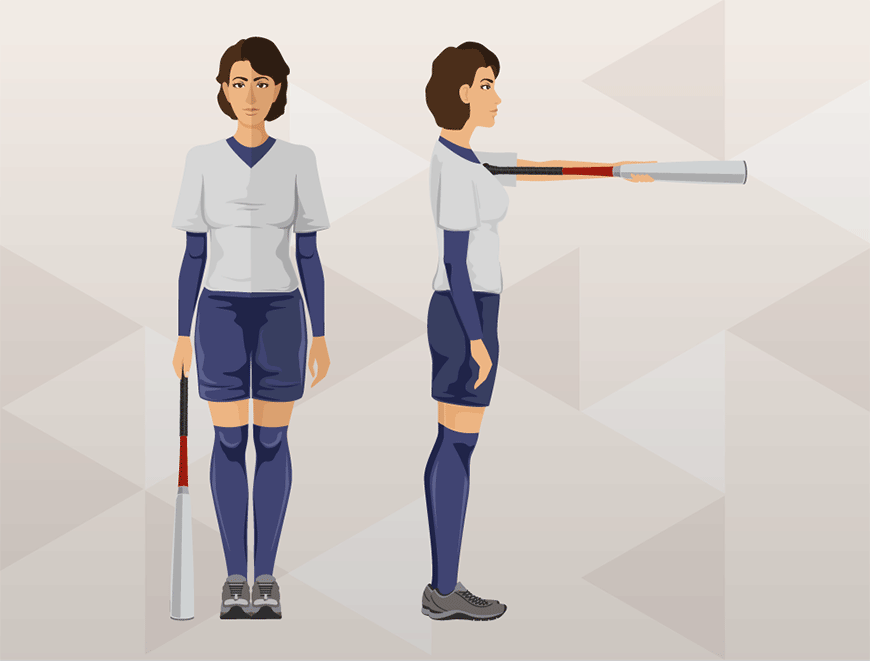
Imagine stepping into the batter’s box, your heart pounding with anticipation, only to realize your bat feels like a toothpick in your hands—or worse, a sledgehammer that throws off your swing entirely. The difference between a bat that feels like an extension of your body and one that sabotages your performance isn’t just luck. It’s precision. And yet, most players, from Little Leaguers to weekend warriors, make the same critical error when selecting a bat: they rely on outdated myths, rough estimates, or worse, the advice of well-meaning but misinformed peers. This isn’t just about comfort; it’s about unlocking your true potential at the plate. The right bat can shave strokes off your game, while the wrong one can turn a promising swing into a liability. So, how do you break free from the guessing game and find a bat that feels like it was forged for your swing? The answer lies in a shift from intuition to intention—mastering the art and science of bat sizing.
The Myth of “One Size Fits All”: Why Your Bat’s Length Isn’t Just About Height
Walk into any sporting goods store, and you’ll likely hear the same tired advice: “Stand the bat next to you—if it reaches your hip, it’s the right size.” While this rule of thumb might work for casual players, it’s a blunt instrument that ignores the nuances of biomechanics and swing mechanics. The truth? Bat length is only one piece of the puzzle, and for many players, it’s the least important. A bat that’s “too long” for your height might actually feel perfect if your swing path is compact and explosive. Conversely, a shorter bat could feel stifling if you rely on a sweeping, uppercut motion. The real game-changer is understanding how bat length interacts with your stance, grip, and swing plane. Ignoring these factors is like trying to drive a car with a blindfold on—you might move forward, but you’re not in control.
Consider the case of a high school shortstop with a lightning-fast swing but perpetually weak contact. His coach insists he needs a longer bat for “reach,” but the moment he steps up to the plate with the oversized lumber, his bat speed plummets. The issue isn’t his height or strength—it’s that his swing mechanics demand a bat that’s shorter and lighter, allowing him to whip the barrel through the zone with precision. The lesson? Your bat’s length should complement your swing, not dictate it. It’s not about fitting a mold; it’s about finding the sweet spot where your body and the bat move as one.
Weight Distribution: The Hidden Factor That Separates Good Bats from Great Ones
If length is the skeleton of bat sizing, weight distribution is the soul. A bat’s balance point—where its mass is concentrated—can turn a mediocre swing into a highlight-reel moment or turn a promising hitter into a frustrated spectator. Bats are typically categorized as “balanced,” “end-loaded,” or somewhere in between, and each type caters to different swing styles. A balanced bat distributes weight evenly, making it ideal for contact hitters who prioritize bat speed and control. An end-loaded bat, on the other hand, shifts weight toward the barrel, providing extra momentum for power hitters who thrive on driving the ball deep.
But here’s where most players stumble: they assume that a heavier bat automatically equals more power. That’s a dangerous oversimplification. A bat that’s too heavy for your swing speed will decelerate in the zone, robbing you of both power and accuracy. The key is finding a bat with a balance point that aligns with your natural swing rhythm. For instance, a player with a quick, compact swing might benefit from a slightly end-loaded bat to add momentum without sacrificing speed. Meanwhile, a hitter with a longer, looping swing could struggle with an end-loaded bat, as the extra weight at the barrel would force them to overswing, leading to late contact and weak drives. The right balance point doesn’t just feel good—it feels inevitable, as if the bat is guiding your hands rather than resisting them.
The Grip Game: How Your Hands Dictate the Perfect Bat Diameter
Your hands are the bridge between you and the bat, and their comfort directly impacts your performance. Yet, most players overlook the role of grip size in bat sizing, treating it as an afterthought. The diameter of a bat’s handle isn’t just about aesthetics—it’s about leverage, control, and even injury prevention. A handle that’s too thick can strain your wrists and forearms, while one that’s too thin can lead to a death grip that kills bat speed. The ideal grip size depends on the size of your hands and your personal preference, but there are general guidelines to follow.
For players with larger hands, a thicker grip (around 0.90 to 1.00 inches in diameter) can provide a more secure hold, reducing the risk of the bat slipping during a high-velocity swing. Smaller hands, on the other hand, might benefit from a slimmer grip (around 0.80 to 0.90 inches) to maintain dexterity and quick adjustments. Some players even experiment with bat tape or overgrips to customize the feel, adding layers for cushioning or reducing the diameter for a firmer hold. The goal is to find a grip that feels like a natural extension of your hands—neither too loose nor too restrictive. When the grip is right, your hands can work in harmony with the bat, translating your intent into explosive contact.
Swing Speed vs. Bat Speed: The Delicate Dance of Power and Precision
Power hitters and contact hitters often find themselves at odds when it comes to bat selection, but the real divide isn’t about skill level—it’s about swing dynamics. A player with a slower swing speed might struggle to generate enough force with a heavy bat, while a hitter with a lightning-fast swing could sacrifice control if they opt for a bat that’s too light. The solution? Matching your bat’s weight to your swing speed to maximize both power and consistency. This is where the concept of “bat drop”—the difference between the bat’s length (in inches) and its weight (in ounces)—comes into play.
For younger or less experienced players, a higher bat drop (e.g., -10 or -12) is often recommended to help generate speed, as the lighter bat is easier to whip through the zone. As players develop strength and refine their mechanics, they can experiment with lower bat drops (e.g., -8 or -5) to add mass and driving force. However, the key isn’t to chase the lowest possible bat drop; it’s to find the one that allows you to maintain optimal bat speed while still delivering impact. A bat that’s too light will feel flimsy, while one that’s too heavy will slow your swing to a crawl. The sweet spot is where your bat speed peaks without sacrificing control, turning every swing into a potential line drive.
Material Matters: Aluminum vs. Composite vs. Wood—What’s Really Best for You?
The material of your bat isn’t just about durability or price—it’s about how the bat performs in your hands and how it interacts with your swing. Aluminum bats, known for their durability and consistent performance, are a staple in youth and amateur leagues. They offer a forgiving sweet spot and a lively feel, making them ideal for players still refining their mechanics. Composite bats, on the other hand, are engineered to reduce vibration and enhance trampoline effect, providing a smoother, more responsive hit. However, they often require a break-in period and can be more expensive. Wood bats, the gold standard for professional play, demand precision and technique, as their lack of forgiveness forces hitters to perfect their swing path.
But here’s the twist: the “best” material isn’t universal. A power hitter with a slow, rotational swing might thrive with a composite bat, as its trampoline effect can compensate for slower bat speed. A contact hitter with a quick, compact swing could prefer the responsiveness of aluminum, which allows for instant feedback. And a seasoned player honing their craft might choose wood to develop a deeper understanding of bat control and timing. The material you choose should align with your goals, your league’s regulations, and, most importantly, how the bat feels in your hands. After all, a bat’s performance is only as good as your ability to wield it.
The Final Check: How to Test Your Bat Before Committing
Even after narrowing down your options, the true test of a bat’s suitability lies in the hands-on evaluation. But not all testing methods are created equal. Many players make the mistake of taking a few practice swings in the store and calling it a day. That’s like buying a car after a 30-second test drive—you’re not getting the full picture. Instead, simulate game conditions. Take full swings against live pitching or a pitching machine to gauge how the bat performs under pressure. Pay attention to the sound of contact, the feedback in your hands, and how the bat feels as it exits the zone. A bat that sings on contact is a bat that’s working with you, not against you.
Another critical step is to track your performance over time. Keep a swing journal or use a launch monitor to measure metrics like exit velocity, launch angle, and swing speed. Over weeks or even months, you’ll start to see patterns emerge—patterns that reveal whether your bat is truly enhancing your game or holding you back. And don’t be afraid to revisit your choice. As your skills evolve, so too should your equipment. A bat that felt perfect at 16 might feel clunky at 20, especially if you’ve added strength or refined your swing mechanics. The right bat isn’t a lifelong commitment; it’s a dynamic tool that should grow with you.
Selecting the right baseball bat isn’t just about avoiding a common mistake—it’s about redefining your relationship with the game. It’s about trading uncertainty for confidence, guesswork for precision, and frustration for fluidity. When you find a bat that feels like an extension of your body, every swing becomes an opportunity to showcase your skill, not your limitations. So, the next time you step into the batter’s box, ask yourself: Is your bat helping you or holding you back? The answer could change everything.