How much is your pitching potential really worth? Could a single piece of technology unlock the subtle intricacies that separate a good pitcher from a remarkable one? The quest to quantify the true value of Rapsodo baseball devices invites us to dive deeper into both the monetary investment and the potential dividends it offers in player development. As training methodologies evolve, so do the questions surrounding cost efficiency and the practical benefits of cutting-edge tools like Rapsodo. Let’s unfold this story together and address the critical question: Is Rapsodo baseball truly worth the price tag for serious athletes, coaches, and teams aiming to refine their craft?
The Price Tag: Unpacking the Cost of Rapsodo Baseball Devices
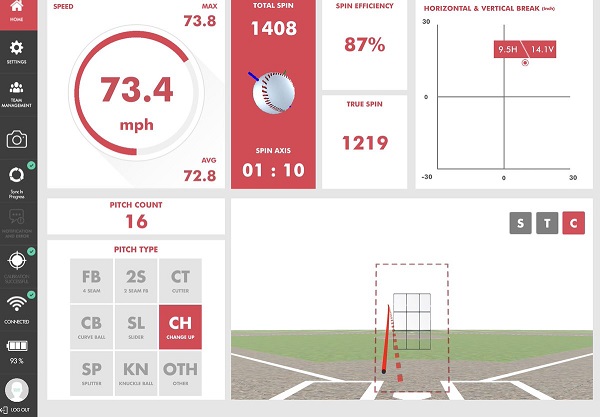
Rapsodo baseball systems come in several configurations, each designed to cater to different training needs and budgets. At the entry point, the Rapsodo Mobile Pitching Monitor typically retails between $600 and $1,000. This device offers an affordable gateway into data-driven pitching analysis, offering metrics such as pitch velocity, spin rate, and spin axis right from a smartphone. For individual athletes, this price is accessible enough to consider a purchase without requiring institutional backing.
On the upper echelon, the Rapsodo 3D Pitching Analyzer commands a significantly higher price bracket, often ranging from $10,000 to $15,000. This sophisticated machine integrates advanced Doppler radar technology and high-speed cameras to capture highly granular data, including detailed spin metrics, movement tracking, and release point analysis. Typically, professional teams, academies, and elite training centers invest in this model due to its comprehensive insight and enhanced durability. The difference in cost underscores the disparity in functionality and data depth accessible to users across the spectrum.
Subscription models and software licensing fees may also accompany these systems, adding to the total cost of ownership. Regular updates, cloud-based storage, and member-only training content constitute additional expenses but also amplify the value proposition by keeping users connected to evolving analytics and instruction.
Unraveling the Technical Sophistication Behind Rapsodo
Why do these devices command premium pricing? The answer lies in the technological sophistication that powers them. Employing radar and optical sensors, Rapsodo devices track the physics of each pitch with uncanny precision. Pitchers and coaches receive actionable insights on spin rate, axis tilt, velocity, and release point—all critical variables that govern pitch effectiveness and deception.
Beyond mere velocity readouts, Rapsodo transforms intangible pitching elements into quantifiable data points, fostering an inquisitive feedback loop where athletes dissect every centimeter of movement. Such precision facilitates targeted corrections, enhancing mechanical consistency, optimizing pitch selection, and mitigating injury risk. The rarity of this level of accessible, real-time data, particularly outside elite professional environments, underpins the system’s allure—and cost.
Return on Investment: Training Gains Versus Financial Outlay
Is the hefty upfront cost justified by the potential performance enhancements? The calculus depends largely on the training context and goals in question. For a youth player practicing recreationally, a $600–$1,000 device might seem steep. Yet, when compared with the aggregate expenses on coaching, travel, and facility usage, the Rapsodo Mobile Pitching Monitor can represent a meaningful but reasonable increment. It enriches practice sessions with precision insight that was previously unavailable at this price point.
Conversely, for high school, collegiate, or professional programs, the Rapsodo 3D system can become a cornerstone of comprehensive player development. Teams looking to punch above their weight may glean competitive advantage by leveraging the technology’s ability to detect subtle mechanical inefficiencies or anticipate performance plateaus. Over time, these incremental gains can translate into better scouting reports, higher draft valuations, or simply more consistent consistency on the mound—returns difficult to quantify but unmistakably impactful.
Additionally, the software’s video integration facilitates analytical storytelling, enabling coaches to illustrate pitching flaws visually. This can dramatically accelerate learning and retention, yielding heightened training efficacy—a value proposition often overlooked when focusing solely on financial outlays.
Accessibility and User Experience: Who Benefits Most From Rapsodo?
While the allure of next-generation baseball training tech is undeniable, not every user will extract equal value from Rapsodo systems. The learning curve associated with interpreting advanced pitching metrics and effectively integrating feedback into routines can challenge less experienced coaches and players. Those unaccustomed to data-intensive training environments might not fully capitalize on the tool’s comprehensive capabilities.
However, the user interface has been thoughtfully designed to balance complexity with usability, offering tiered access depending on skill level. For instance, the Mobile Pitching Monitor app offers intuitive dashboards, simplifying key metrics into easy-to-understand indicators. Developers also provide instructional content and community forums, empowering users to bridge the gap between raw data and actionable insights.
Training environments that support collaborative learning—where coaches can contextualize findings, and athletes remain motivated to experiment and adjust mechanics—naturally maximize Rapsodo’s utility. Accordingly, the best investment scenarios occur when technology is paired with experienced mentorship, creating a symbiotic ecosystem rather than relying solely on gadgets for improvement.
Alternative Options and Competitive Landscape
Before cementing a commitment to Rapsodo, prospective buyers often consider the wider landscape of pitching analysis tools. Options like TrackMan, Diamond Kinetics, and FlightScope offer comparable or complementary technological platforms. These competitors vary in terms of accuracy, data focus, and cost, influencing purchasing decisions accordingly.
Rapsodo’s distinguishing strength remains its blend of affordability, data richness, and portability—particularly for devices like the Mobile Pitching Monitor. TrackMan, while often touted as the pinnacle of accuracy due to its more advanced radar mechanics, commands substantially higher prices, limiting accessibility for non-professional users.
For buyers weighing options, the decision often reduces to balancing budget constraints, desired depth of data, and intended use scenarios. Selecting an analytical system that integrates fluidly with existing coaching structures amplifies long-term impact, irrespective of sticker price.
The Final Verdict: Is Rapsodo Worth It for Baseball Training?
Considering the multifaceted benefits, from biomechanical precision to enhanced athlete engagement, Rapsodo offers genuine value for those committed to data-enabled skill development. Its tiered pricing makes it viable for a spectrum of users—from dedicated beginners to elite programs striving for marginal gains.
Ultimately, the question pivots on your training philosophy and resource allocation. If uncovering hidden inefficiencies by dissecting pitch mechanics down to minute details intrigues you, the investment can be transformative. Coupled with effective coaching, Rapsodo doesn’t just add numbers—it adds perspective, elevating mindsets and molding more intelligent, informed pitchers.
However, technology alone doesn’t guarantee success. The palpable benefits arise not from devices in isolation but from their integration within deliberate, evolving training regimens. In this light, the financial commitment becomes an investment not only in gear but in knowledge, precision, and the future trajectory of a baseball career.