The 2025 Ivy League baseball season has unfolded with surprising twists and compelling narratives that challenge long-standing preconceptions about dominance and potential in collegiate athletics. Amid shifting team dynamics, emergent talent pools, and strategic recalibrations, the league’s hierarchy is far from stagnant. This evolving tableau invites a fresh, discerning look at which programs are ascending and which are faltering, prompting a reevaluation of expectations and a renewed intrigue around Ivy League baseball’s trajectory.
Unpacking the Early Season Contenders: A New Order Emerges
At the outset, several teams entered the season buoyed by optimism grounded in historical prowess and recent recruiting successes. Yet, as the games have progressed, the landscape has become more variegated, revealing subtle fissures and newfound strengths. Columbia, for instance, has demonstrated remarkable resilience and tactical refinement, embarking on a sweep that rattled previously secure contenders. Their strategic deployment of pitching staff and situational hitting have underscored a level of sophistication hinting at deep postseason ambitions.
This early seismic shift suggests that the Ivy League’s competitive parity is more pronounced than often acknowledged. Teams once considered perennial underdogs are disrupting traditional hierarchies, compelling analysts and fans alike to reconsider the presumptive strongholds in league standings.
Harvard’s Postseason Aspirations Checked: Lessons from Setbacks
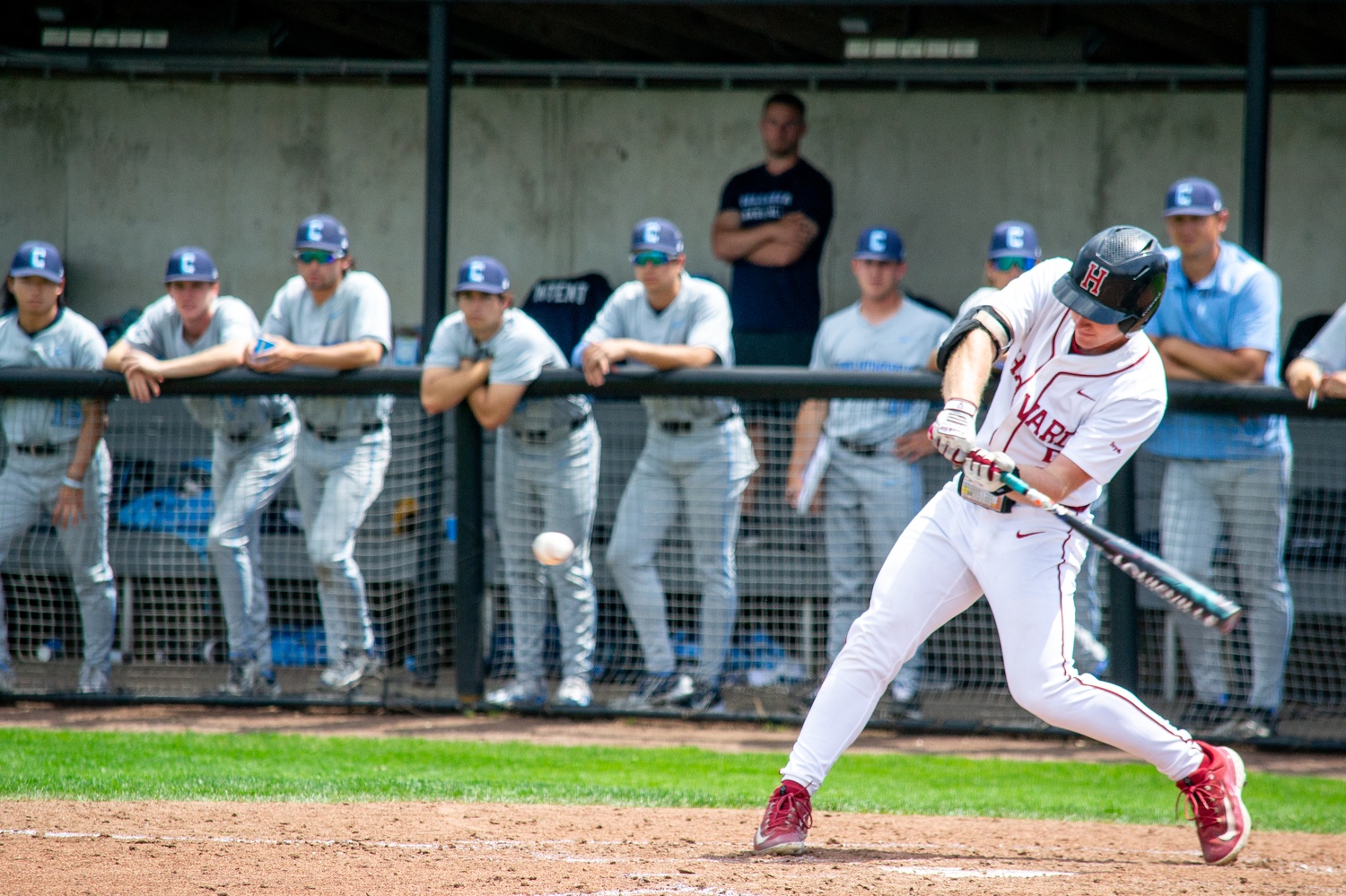
Harvard’s baseball program, traditionally a formidable force within the league, has encountered significant challenges this season. The recent sweep at the hands of Columbia dealt a substantial blow to their postseason prospects, signaling vulnerabilities in both offensive consistency and bullpen depth. The series illuminated the nuances of momentum in baseball: how one set of victories can cascade into confidence, and conversely, how a brief slump may precipitate larger tactical overhauls.
Harvard’s struggles offer a poignant case study in the fragility of dominance when faced with emergent competitors who leverage adaptive strategies and burgeoning talent. It compels the team’s management and coaching staff to introspect and innovate if they are to reclaim their customary status near the summit.
Emergent Talent and Recruitment Strategies: The Inflection Point
2025’s Ivy League baseball rankings cannot be decoupled from the undercurrents of recruitment and player development shaping each roster. Several programs have capitalized on the regional pipeline of high school talent, combining raw athleticism with baseball intellect. A pronounced focus on analytics-driven recruitment has also begun to permeate league programs, elevating younger players who exhibit not just physical aptitude but also an acute understanding of the game’s evolving metrics.
Such shifts herald a transformative epoch where traditional scouting methods coalesce with sabermetrics to fashion more competitive and well-rounded squads. Programs investing in comprehensive development infrastructures and balancing veteran leadership with promising freshmen are increasingly likely to disrupt the status quo and redefine competitive benchmarks.
Coaching Philosophies: Adaptive Tactical Approaches Reshaping the League
Beyond player personnel, coaching methodologies have become a fertile ground for differentiation. Ivy League teams are embracing a spectrum of tactical innovations—from aggressive base running schemes to unconventional pitching rotations and bullpen management. This infusion of creativity reflects an understanding that marginal gains can be game-changers in tightly contested matchups.
Furthermore, the integration of mental conditioning and situational preparedness underscores an evolved conception of team readiness. Coaches who prioritize adaptability and foster holistic player development appear to have an edge in navigating this season’s unpredictability, infusing their squads with resilience during crucial stretches.
Statistical Insights: Key Metrics Influencing the Rankings
A deep dive into the statistics reveals intriguing patterns that frame our understanding of the current competitive landscape. While batting averages and earned run averages (ERAs) remain foundational, peripheral metrics such as on-base plus slugging (OPS), strikeout-to-walk ratios, and defensive efficiency have emerged as decisive indicators of success.
Teams exhibiting balanced performance across these dimensions often maintain greater consistency, particularly under high-pressure situations inherent to the Ivy League schedule. Columbia’s recent performances exemplify this holistic proficiency, combining offensive potency with defensive resilience to outmaneuver opponents.
The Role of Experience Versus Youth: Balancing Immediate Results and Long-Term Growth
One of the season’s most compelling dynamics involves the interplay between veteran leadership and youthful exuberance. Teams relying heavily on seasoned players benefit from experience-induced composure in clutch situations. Conversely, rosters infused with ambitious underclassmen frequently inject unpredictability and energetic playmaking, which can disrupt even the most methodical opponents.
This balance—or at times, imbalance—directly impacts game outcomes and, by extension, league rankings. Coaches face the delicate task of integrating rising talents without undermining team cohesion, while players strive to adapt their roles to maximize collective potential.
Looking Ahead: Postseason Prospects and Potential Upsets
As the regular season nears its crescendo, anticipation mounts regarding which programs will seize control in the Ivy League postseason. Current trajectories suggest that while favorites remain plausible, the margins separating contenders have narrowed significantly. The unpredictability inherent in this season poises it for potential upsets, where strategic ingenuity and timely execution may tilt the scales.
Postseason success will likely hinge on the ability to sustain momentum, exploit matchups, and manage the inevitable pressures of elimination games. Teams with depth, adaptive flexibility, and clutch performers will undoubtedly possess a competitive advantage in these decisive moments.
The Broader Significance: Ivy League Baseball’s Elevating Profile
Beyond rankings and wins, the 2025 season signals an elevation in the prestige and visibility of Ivy League baseball. Increasingly, the league is garnering attention not merely for its academic reputation but for the quality of its athletic competition. This rising profile enhances recruiting appeal and fosters a more vibrant baseball culture within the member institutions.
Moreover, it challenges prevailing narratives about Ivy League sports, asserting that these programs can cultivate not only intellectual excellence but also athletic mastery. The ongoing season exemplifies a dynamic confluence of tradition and innovation—a testament to the league’s enduring vitality.
In sum, the 2025 Ivy League baseball season aligns with a transformative shift—one that promises new paradigms, invigorated rivalries, and a redefining of dominance. It invites observers to look beyond conventional metrics and embrace a more nuanced appreciation of the sport’s evolving landscape.